


Hi, I’m Kieran Gartlan, Managing Partner at The Yield Lab Latam, one of the region’s top AgriFood and Climate Tech VC funds. If you’re curious to learn more about Brazil’s AgriTech Revolution, feel free to reach out here or on LinkedIn. I’m always happy to share what I’m seeing on the ground.
Summary
In AgriTech news this week, biological innovation and digital infrastructure take center stage. Rovensa Next opened a pilot fermentation plant to accelerate scale-up of microbial biosolutions, while Jacto moves toward commercial autonomy with satellite-connected machinery and John Deere brings Brazilian startup IoTag into its global collaborator program. Satellite mapping is also advancing public policy, with AI tools now identifying banana and peach palm production with high accuracy.
In Climate Tech developments, regenerative systems gain stronger economic and scientific backing. Citrosuco expanded its Nutrir+ accelerator focused on regenerative ventures, a new Amazonian fungus showed promise against crop diseases, and a European-facing study confirmed the financial viability of agroforestry cocoa. A major soil study also quantified Brazil’s carbon deficit from land-use change, while long-term field data reinforced the productivity and climate benefits of bioinputs.
On the Funding & M&A front, early signals point to renewed capital flow. BemAgro raised US$6 million to expand into the U.S., January agritech funding reached US$41.4 million across multiple startups, and the federal government announced US$660 million in non-reimbursable innovation grants. Vida Veg also expanded through acquisition, strengthening its position in plant-based foods.
In Macro & Markets, fundamentals remain firm. Brazil’s feedlot sector grew 16 percent and projects 10 million head in 2026, agribusiness employment reached a record 28.58 million people, and the creation of a national tilapia germplasm bank signals long-term investment in genetic resilience and productivity.
Table of Contents
AgriTech
Jacto bets on satellite connectivity and autonomous machines to double revenue
Rovensa Next opens pilot fermentation plant in Brazil
John Deere selects Brazilian startup IoTag for global collaborator program
Satellites map banana and peach palm for family farming
Climate Tech
Amazon fungus shows potential to fight crop diseases and superbacteria
Citrosuco expands Nutrir+ and accelerates 12 regenerative agriculture ventures
Brazil confirms economic viability of agroforestry cocoa
Study quantifies carbon deficit linked to land-use change in Brazil
Bioinputs increase soybean productivity by more than 8% in Paraná
Funding & M&A
Brazilian agtech BemAgro raises US$6 million to scale to the U.S.
Agtech funding shows renewed momentum in January
MCTI and Finep allocate US$60 million for agrifood innovation
Vida Veg acquires Plant Choice and targets 30% growth in 2026
Macro & Markets
Brazil feedlot sector grows 16% and eyes 10 million heads in 2026
Agribusiness employment reaches record high and grows above national average
Instituto de Pesca establishes Brazil’s first tilapia germplasm bank
AgriTech
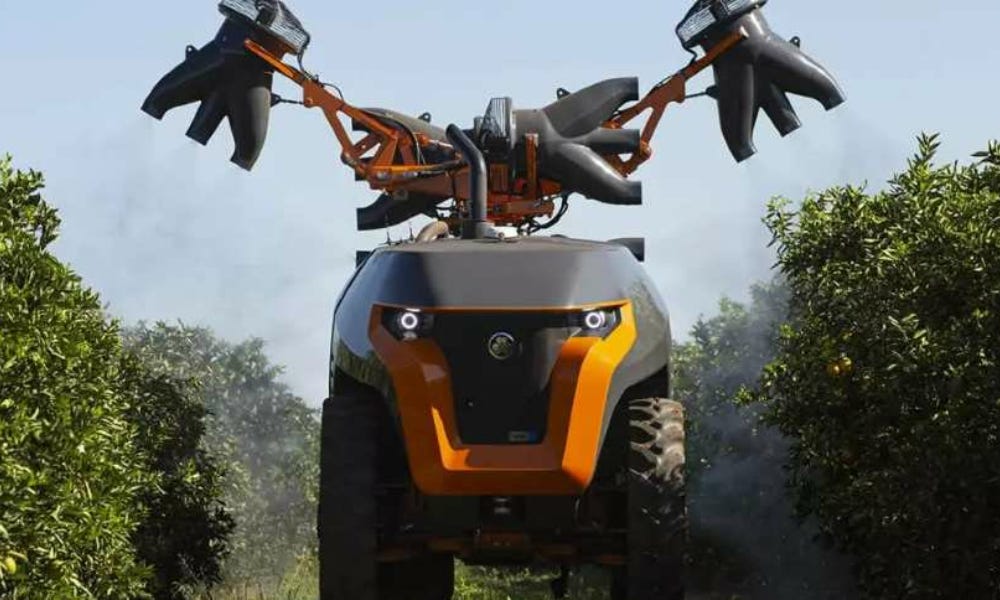
Jacto advances satellite-connected autonomy to double revenue – Jacto plans to embed satellite internet in its equipment starting in 2026 and will commercially launch its autonomous sprayer, the Arbus 4000 JAV, at this year's Agrishow event. The machine operates 24 hours a day and allows a single operator to supervise multiple units remotely, reducing labor dependency. After recovering revenue to US$740 million in 2025, the company aims to double in size over the next seven years through digital agriculture, internal restructuring and selective acquisitions. read more
Rovensa Next opens pilot fermentation plant in Brazil – Rovensa Next inaugurated a pilot fermentation facility in Monte Mor, São Paulo, designed to bridge laboratory research and industrial-scale production of microbial biosolutions. The unit supports fermentation volumes up to 150 liters, roughly 20 times larger than conventional lab systems, reducing scale-up risk and accelerating validation of new biological products. Connected to its global biosolutions research center in Hortolândia, the plant mirrors industrial conditions with advanced monitoring systems. read more
Brazilian IoTag joins John Deere global collaborator program – IoTag was selected as one of five companies worldwide to join the John Deere Startup Collaborator 2026 program. The Brazilian startup developed patented telematics that connect multi-brand farm machinery to the internet, using AI and IoT to benchmark performance, improve fuel efficiency and optimize operations. In Brazil, its technology will now be distributed through John Deere dealerships, with pilots also underway in Argentina and Ukraine, positioning the company within a global innovation pipeline. read more
Satellites map banana and peach palm for family farming – Using Sentinel-2 imagery and AI-based classification, Embrapa researchers achieved more than 93 percent accuracy in mapping banana and peach palm production in Jacupiranga, São Paulo. The study demonstrated that water-based spectral indices outperform traditional vegetation indices in humid tropical conditions and included peach palm as a distinct crop category. The approach supports territorial planning, technical assistance and policy design for family farming, showing how public satellite data can deliver scalable monitoring in diversified tropical systems. read more
Climate Tech
Amazon fungus shows potential to fight crop diseases and superbacteria – Embrapa researchers have identified a new fungal species, Trichoderma agriamazonicum, with promising agricultural and biotechnological applications. Isolated from Amazonian wood, the fungus demonstrated the ability to suppress plant pathogens affecting crops such as soy and fruit through biological control mechanisms. Early laboratory results also suggest potential activity against antibiotic-resistant bacteria, highlighting the Amazon as a reservoir of bioinnovation and sustainable crop protection solutions. read more
Citrosuco expands Nutrir+ and accelerates 12 regenerative ventures – Citrosuco launched the third edition of its Nutrir+ acceleration program, expanding participation to startups from Mato Grosso do Sul alongside São Paulo and Minas Gerais. The four-month initiative supports 12 ventures focused on regenerative agriculture, spanning ESG compliance, geospatial monitoring, bioinputs and bioconversion solutions. Startups receive mentorship from company executives and structured development support as part of Citrosuco’s ESG 2030 agenda. read more
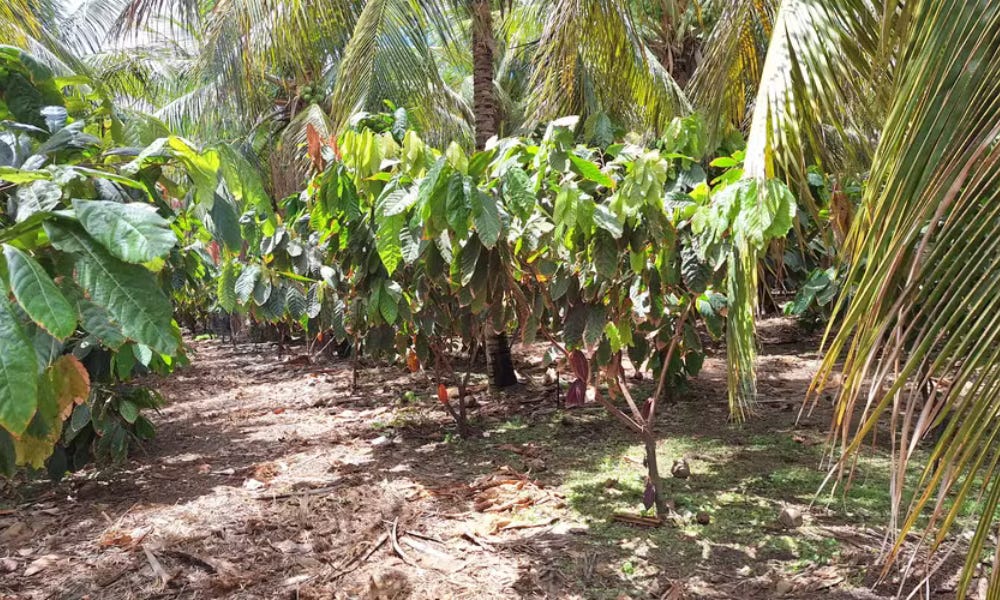
Brazil confirms economic viability of agroforestry cocoa – Brazilian institutions presented research in Amsterdam demonstrating that cocoa grown in agroforestry systems in Bahia and Pará is financially viable. The study evaluated 11 production models combining cocoa with crops such as banana, cassava, açaí and native tree species. All scenarios showed positive internal rates of return and net present value, while also aligning with EU anti-deforestation regulations and climate targets, reinforcing agroforestry as a regenerative and investable production model. read more
Study quantifies carbon deficit linked to land-use change in Brazil – A study published in Nature Communications calculated that the conversion of native vegetation to agriculture generated a 1.4 billion ton carbon deficit in Brazilian soils, equivalent to 5.2 billion tons of CO₂ equivalent. The analysis compiled more than 4,000 soil samples across six biomes and identified the Cerrado and Mata Atlântica as holding 72 percent of recarbonization potential. Integrated crop-livestock systems and no-till practices showed lower carbon losses, providing a scientific baseline for carbon market and policy design. read more
Bioinputs increase soybean productivity by more than 8% in Paraná – A decade of field validation by Embrapa and IDR-Paraná showed that coinoculation with beneficial bacteria increased soybean yields by an average 8.3 percent. In the 2024/25 season, coinoculated areas reached 3,916 kg per hectare versus 3,615 kg in non-inoculated fields. Nationwide, 85 percent of soybean hectares already use inoculation technology, reducing nitrogen fertilizer dependency and contributing to significant cost savings and emission mitigation. read more
Funding & M&A
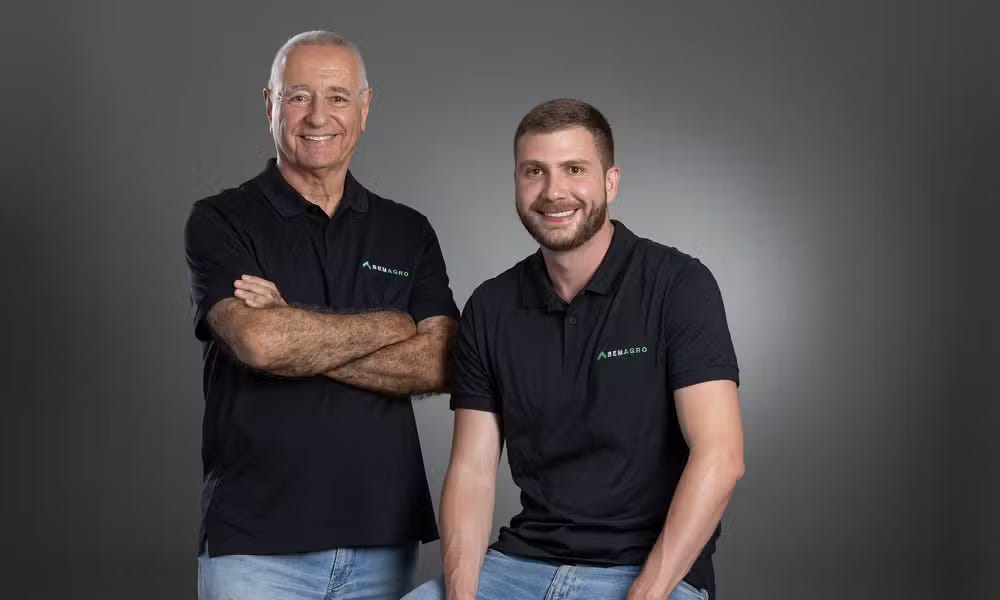
BemAgro raises US$6 million to expand into the U.S. – Ribeirão Preto–based BemAgro closed a US$6 million Series A to accelerate international expansion, with U.S. operations planned for 2027. The round was led by The Yield Lab Latam and included Colorado Ventures, CNH Industrial, Atvos, Suzano, and follow-on investors from its 2024 seed round. BemAgro’s platform converts drone and machinery data into actionable insights, helping farmers reduce herbicide use by up to 80 percent while cutting water and diesel waste. With operations in 12 countries, the company expects dollar revenues to support strong growth through 2030. read more
Agri funding shows renewed momentum after fresh deals – Four Brazilian agri startups raised US$41.4 million in January, representing nearly 30 percent of total sector investment in 2025 and ten times the volume seen in January last year. Deals involved Sensix, Fretes.com, Nagro and Culttivo, spanning precision agriculture, logistics and rural credit. Investors point to potential Selic rate cuts and increased use of structured debt vehicles such as FIDCs as catalysts for renewed capital flow, suggesting the funding environment may be stabilizing after a slower 2024. read more
MCTI and Finep allocate US$60 million for agrifood innovation – Brazil’s Ministry of Science, Technology and Innovation and Finep announced US$60 million in non-reimbursable funding dedicated to agrifood value chains under the New Brazil Industry program. The calls target projects aimed at improving productivity, digitalization and sustainability across agricultural and agro-industrial systems, reinforcing the government’s push to strengthen technological competitiveness within Brazil’s food production ecosystem. read more
Vida Veg acquires Plant Choice and targets 30% growth in 2026 – Minas Gerais–based Vida Veg acquired plant-based foodtech Plant Choice, expanding into proprietary plant-based cold cuts and strengthening its position in foodservice. The acquisition complements Vida Veg’s retail footprint with Plant Choice’s distribution channels in São Paulo and Rio de Janeiro. Operations will be integrated while brands remain independent, and the company projects 30 percent growth in 2026 driven by expanded distribution and new product launches. read more
Macro & Markets
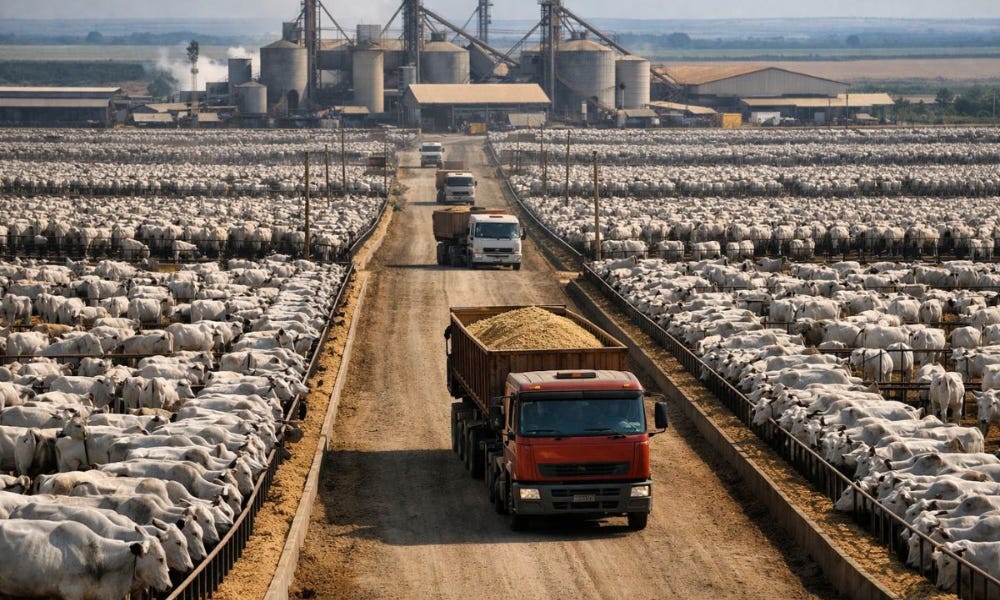
Brazil feedlot sector grows 16% and eyes 10 million head in 2026 – Brazil confined 9.25 million cattle in 2025, up 16 percent year over year, according to the latest census by dsm-firmenich. Growth was concentrated among larger operations, with the top 100 producers accounting for 45 percent of total confined animals. Mato Grosso leads with 2.2 million head, followed by São Paulo and Goiás. Margins are currently near 15 percent nationwide, with some regions approaching 20 percent. The sector is projected to reach 10 million head in 2026, reflecting continued professionalization and technology adoption. read more
Agribusiness employment reaches record high and grows above national average – Brazil’s agribusiness employed 28.58 million people in the third quarter of 2025, up 2 percent year over year, adding nearly 569,000 jobs according to Cepea and CNA. This marks the largest workforce ever recorded for the sector since the series began in 2012. Agribusiness now represents 26.35 percent of total national employment, with growth driven primarily by agri-services and input industries such as fertilizers, crop protection and machinery. read more
Brazil establishes first national tilapia germplasm bank – Researchers at the Fish Institute created the country’s first broad germplasm bank for Nile tilapia, preserving and characterizing strains from five states. The initiative evaluated nine populations and identified significant genetic diversity despite limited visible phenotypic differences. Maintained in São José do Rio Preto, the in situ bank will support breeding programs adapted to regional conditions, including tolerance to cold, heat and salinity, as well as improved fillet yield. The project strengthens long-term genetic security in Brazil’s largest aquaculture species. read more
That’s all for this week, thanks for reading,
KFG
Kieran Finbar Gartlan is an Irish native with over 30 years of experience living and working in Brazil. He is Managing Partner at The Yield Lab Latam, a leading venture capital firm investing in Agrifood and Climate Tech startups across Latin America.