


Hi, I’m Kieran Gartlan, Managing Partner at The Yield Lab Latam, one of the region’s top AgriFood and Climate Tech VC funds. If you’re curious to learn more about Brazil’s AgriTech Revolution, feel free to reach out here or on LinkedIn. I’m always happy to share what I’m seeing on the ground.
Summary
In AgriTech news this week, gene editing is emerging as a practical climate adaptation tool, with Brazilian researchers cutting soy breeding cycles from more than a decade to just two years. At the same time, AI adoption across agribusiness continues to grow, but with clearer implications for jobs, as a majority of CEOs now expect fewer entry-level roles as automation reshapes decision-making and operations.
In Climate Tech, capital and science are converging around land-use solutions. Mombak is entering a new growth phase after securing more than US$250 million for large-scale reforestation, while Indigo has begun paying farmers directly for verified sustainable practices linked to retail demand. Elsewhere, long-term academic research is challenging taboos around circular inputs, showing that treated sewage sludge can be safely used in agriculture when properly managed.
On the funding and M&A front, balance-sheet expansion remains active across the value chain. From early-stage food startups like Turma do Ovo raising capital to scale niche subscription models, to infrastructure-heavy moves such as Rumo’s rail financing and Coamo’s acquisition of grain facilities, investment is flowing into logistics, capacity, and resilience. Partnerships like the Seara–Iveco deal also point to decarbonization starting to influence transport decisions.
In Macro & Markets, Brazil’s role as a global agricultural supplier continues to strengthen, with exports reaching US$169 billion in 2025 and new trade channels opening, including DDGS shipments to China led by Inpasa. At the same time, competition is intensifying as Asian crop protection players expand their presence, while inflation and climate risk remain the top concerns keeping agribusiness CEOs cautious in an increasingly volatile global environment.
Table of Contents
AgriTech
Gene editing cuts soy breeding cycles to two years
AI gains traction in agribusiness as CEOs plan workforce cuts
Climate Tech
Indigo begins paying farmers for verified sustainable practices
Mombak launches new fund after raising US$250M for reforestation
Bioinputs scale across Latin America, but margins come under pressure
Scientific studies support agricultural use of treated sewage sludge
Seara and Iveco partner on low-emission urban food logistics
Funding & M&A
Turma do Ovo seeks US$470k to scale organic egg subscriptions
Rumo raises US$300M to expand Brazil’s central rail corridor
Coamo acquires four grain facilities from Pátria for US$27M
Macro & Markets
Brazil reaches US$169B in agricultural exports in 2025
Inpasa ships first DDGS cargo to China, opening new feed trade
Cocoa expands beyond Bahia as new frontiers attract capital
Asian crop protection players intensify competition in Brazil
Inflation and climate risks top concerns for agribusiness CEOs
AgriTech
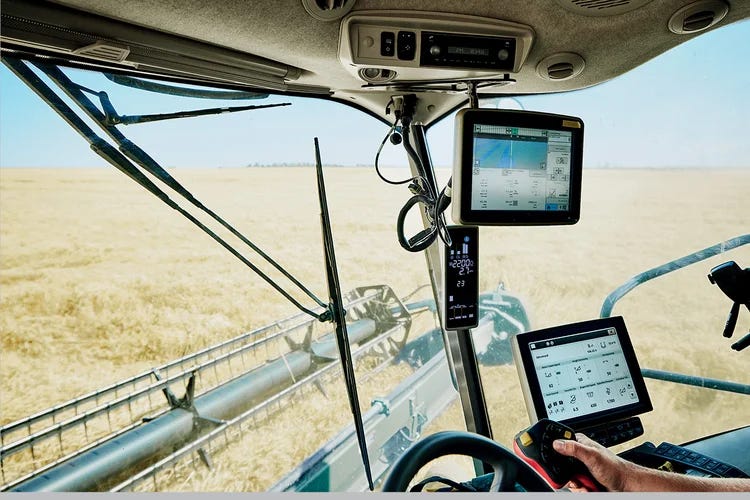
Gene editing cuts soy breeding cycles to two years – Brazil`s Ag researcher agency, Embrapa, is using gene-editing techniques to accelerate the development of soy varieties that are more tolerant to heat and water stress, reducing breeding timelines from around 15 years to as little as 24 months. Unlike transgenic approaches, the method works with the plant’s own genetic material, combining desirable traits already present in different soy varieties. Scientists extract and analyze DNA to identify genes linked to stress tolerance and insert them precisely into elite cultivars. read more
AI gains traction in agribusiness as CEOs plan workforce cuts – Artificial intelligence is starting to generate productivity and revenue gains across Brazilian agribusiness, but adoption remains uneven and largely tactical. According to PwC’s 2026 CEO Survey, 33% of agro executives report revenue growth linked to AI, while nearly half say they have not yet achieved meaningful cost reductions. At the same time, 60 percent of CEOs expect cuts to junior and entry-level roles over the next three years as automation matures, reflecting a shift in workforce structure. Inflation and climate risks continue to dominate priorities, keeping most leaders focused on short-term execution rather than deeper AI-driven transformation. read more
Climate Tech
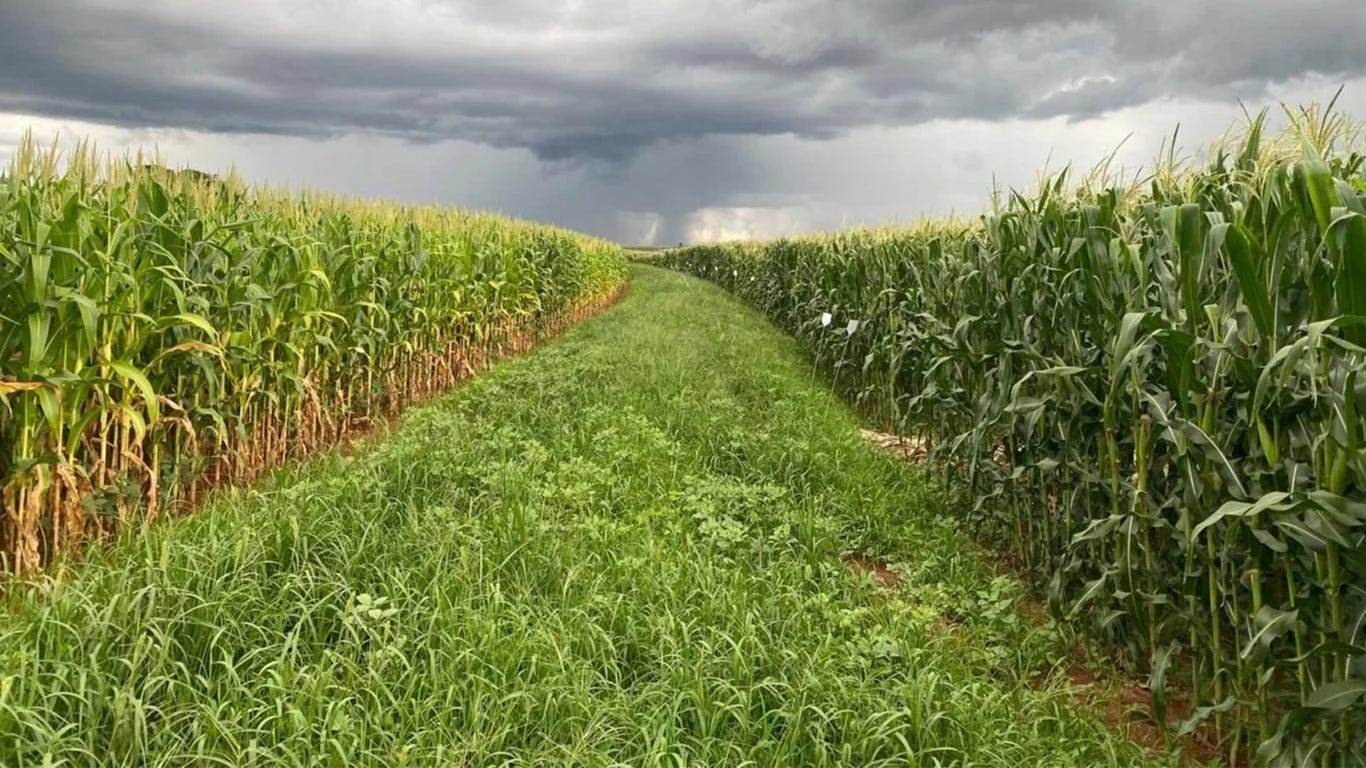
Indigo begins paying farmers for verified sustainable practices – Indigo has begun paying grain producers in Brazil and Argentina for adopting verified sustainability practices, marking a shift from pilot programs to direct financial incentives. The company has committed around US$2 million in payments over a two-year cycle, linking farmers directly with food and retail companies seeking to reduce Scope 3 emissions through insetting. The program currently covers roughly 16,000 hectares of soy, corn, and rice, with producers receiving premiums of 2 to 5 percent above commodity prices once practices are measured and validated. read more
Mombak launches new fund after raising US$250M for reforestation – Reforestation and carbon removal company Mombak has raised more than US$250 million to finance large-scale projects in the Brazilian Amazon and is now launching a second fund as it enters a phase of accelerated growth. The capital includes equity, debt, and outcomes-based financing from institutions such as development banks and climate-focused investors. Mombak currently manages around 20,000 hectares, has planted over 12 million trees, and targets one million tonnes of CO₂ removal per year by 2035. read more
Bioinputs scale across Latin America, but margins come under pressure – After more than a decade of rapid expansion, bioinputs are now widely adopted across Latin America’s main export crops, but the sector is entering a more challenging phase. While demand remains strong due to regulatory pressure, residue limits, and agronomic efficiency gains, market saturation is increasing competition. Prices are under pressure, payment cycles are lengthening, and working capital requirements are rising. Industry executives warn that growth based purely on volume is no longer enough, with financial discipline, execution, and access to distribution becoming decisive. read more
Scientific studies support agricultural use of treated sewage sludge – Long-term academic research in Brazil shows that properly treated sewage sludge can be safely used in agriculture, improving soil organic matter and supplying nutrients such as nitrogen and phosphorus without contaminating crops. Studies tracking applications over decades found no accumulation of heavy metals when protocols are followed. Despite the scientific backing, adoption remains limited, with only a small share of collected sludge reused in farming. Researchers argue that the main barrier is social and cultural stigma rather than technical risk. read more
Seara and Iveco partner on low-emission urban food logistics – Seara, the poultry and pork division of JBS, has partnered with Iveco to pilot low-emission urban freight solutions in Brazil. The collaboration centers on Iveco’s multifuel truck concept, capable of operating on biomethane, natural gas, or ethanol. Depending on the energy source, emissions reductions of up to 95 percent are possible compared with diesel vehicles. The initiative targets urban food distribution, where emissions and congestion are growing concerns. read more
Funding & M&A
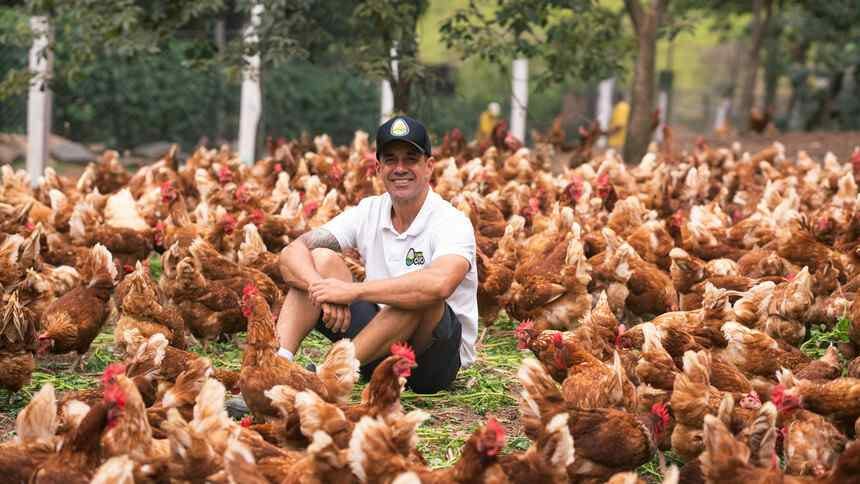
Turma do Ovo seeks US$470k to scale organic egg subscriptions – São Paulo–based agtech startup Turma do Ovo is seeking to raise US$470,000 via an equity crowdfunding round to support its next phase of growth. The company produces organic and free-range eggs and sells them through a subscription and direct-sales model focused on chefs, restaurants, and premium consumers. Proceeds will be used mainly to expand production capacity, logistics, and supplier onboarding. Turma do Ovo currently serves around 680 subscribers, plans to reach 2,000 recurring customers, and aims to double capacity from 10,000 to 20,000 laying hens as demand for traceable, premium proteins grows. read more
Rumo raises US$300M to expand Brazil’s central rail corridor – Rail operator Rumo has raised US$300 million through a debenture issuance to fund investments in its central rail network, a key logistics corridor for Brazilian agribusiness. More than 80 percent of the company’s transported volumes are agricultural products, primarily grains destined for export ports. The funding will support capacity expansion, efficiency improvements, and infrastructure upgrades aimed at reducing bottlenecks and logistics costs. read more
Coamo acquires four grain facilities from Pátria for US$27M – Coamo, Brazil’s largest agricultural cooperative, has acquired four grain storage and input facilities in Paraná from the Pátria private equity fund for approximately US$27 million. The assets add 223,000 tonnes of storage capacity and were previously leased by failed trading company Belagrícola. The acquisition was described as an opportunistic move amid a strong outlook for the 2025/26 harvest, with higher expected volumes of soy, corn, and wheat. Funded with Coamo’s own resources, the deal strengthens origination and logistics in northern Paraná state. read more
Macro & Markets
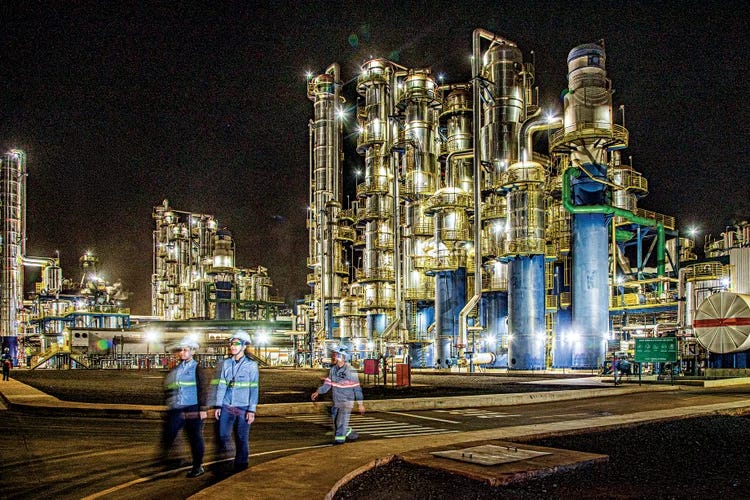
Brazil reaches US$169B in agricultural exports in 2025 – Brazil’s agricultural exports reached a record US$169 billion in 2025, up sharply from US$74 billion a decade earlier, reinforcing the country’s position as the world’s largest net food exporter. The performance comes amid rising geopolitical tensions, trade frictions, and climate volatility, highlighting Brazil’s role in balancing global supply. read more
Inpasa ships first DDGS cargo to China, opening new feed trade – Inpasa completed Brazil’s first shipment of dried distillers grains with solubles to China, totaling 62,000 tonnes, following Beijing’s authorization of imports in 2025. The move opens a new export channel linked to Brazil’s growing corn ethanol industry and diversifies China’s sourcing of animal feed ingredients. Inpasa already has around 250,000 tonnes negotiated and estimates that Chinese demand could reach up to 1.5 million tonnes in 2026. read more
Cocoa expands beyond Bahia as new frontiers attract capital – Cocoa production in Brazil is moving beyond its traditional base in southern Bahia into the North and Cerrado regions, driven by high global prices, supply disruptions in Africa, and interest from large farming groups. New production areas are posting significantly higher yields under more intensive systems, attracting multinational input suppliers and traders. read more
Asian crop protection players intensify competition in Brazil – Chinese and Indian agrochemical companies are accelerating their expansion in Brazil as domestic markets in Asia become saturated. New entrants are arriving with smaller portfolios and aggressive pricing, increasing competitive pressure on incumbents. Industry specialists argue the trend should be seen less as a threat and more as a structural shift, forcing local players to professionalize services, innovate, or form partnerships. read more
Inflation and climate risks top concerns for agribusiness CEOs – Inflation and climate volatility have become the leading concerns for agribusiness CEOs, outweighing other macroeconomic risks, according to a recent PWC survey. Rising input costs, interest rates, and weather uncertainty are forcing executives to prioritize short-term risk management and cost control. While innovation and digital transformation remain strategic priorities on paper, many leaders report limited appetite for risk and longer-term investments, underscoring the tension between immediate operational pressures and the need to adapt business models in a more volatile environment. read more
That’s all for this week, thanks for reading,
KFG
Kieran Finbar Gartlan is an Irish native with over 30 years of experience living and working in Brazil. He is Managing Partner at The Yield Lab Latam, a leading venture capital firm investing in Agrifood and Climate Tech startups across Latin America.