


Hi, I’m Kieran Gartlan, Managing Partner at The Yield Lab Latam, one of the region’s top AgriFood and Climate Tech VC funds. If you’re curious to learn more about Brazil’s AgTech Revolution, feel free to reach out in the comments below, or on LinkedIn. I’m always happy to share what I’m seeing on the ground.
Summary
In AgTech & AI news, Ecorobotix brought its AI-powered precision sprayer to Brazil, Fox Agritech advanced a novel boll weevil monitoring system using electromagnetic waves, Embrapa expanded the use of generative AI across research and technical recommendations, and Syngenta scales its digital farming platform toward 100 million monitored hectares.
In Climate Tech developments, i4sea is taking hyperlocal climate intelligence from ports to farms, offering farmers sharper tools to manage weather volatility. Banana Milk and Typcal highlighted two different paths in alternative proteins and ingredients, while BTG Timberland raised fresh capital for forestry investments and CTC opened a new US$20 million lab to scale synthetic sugarcane seed.
On the Funding & M&A front, Petrobras committed US$1 billion to a new fertilizer plant, Cofco is investing US$400 million to expand soy crushing capacity in Mato Grosso, BNDES approved new financing for CNH Industrial Brasil to support machinery innovation, GDC Alimentos reentered animal nutrition through the acquisition of a Patense plant, and Raízen remains under pressure as creditors push for control in a debt-for-equity restructuring.
In Macro & Markets, Embrapa scientist Mariangela Hungria was named to the Time 100 list, CNA challenged a new satellite-based rural credit rule at the Supreme Court, Nestlé is betting on iced coffee to expand Nescafé consumption in Brazil, and the US dollar fell below R$5.00 for the first time in two years.
Table of Contents
AgTech & AI
Ecorobotix brings AI-powered precision spraying to Brazil
Fox Agritech uses electromagnetic waves to track cotton boll weevil
Embrapa expands generative AI across research and farm recommendations
Syngenta expands digital platform toward 100 million hectares
Climate Tech
i4sea brings hyperlocal climate intelligence from ports to farms
Foodtech Banana Milk scales banana-based plant milk in Brazil
Typcal bets on mycelium protein to enter the global ingredients market
BTG Timberland raises US$370 million for Latin American forestry
CTC opens US$20 million lab to scale synthetic sugarcane seed
Funding & M&A
Petrobras to invest US$1 billion in nitrogen fertilizer plant
Cofco invests US$400 million to expand soy crushing in Mato Grosso
BNDES backs CNH innovation push in Brazilian ag machinery
GDC reenters animal nutrition with Patense plant acquisition
Raízen creditors seek control in debt-for-equity restructuring
Macro & Markets
Embrapa scientist Mariangela Hungria makes Time 100 list
CNA challenges satellite-based rural credit rule at Supreme Court
Nestlé bets on iced coffee to lift Nescafé sales in Brazil
Dollar falls below R$5.00 for first time in two years
AgTech & AI
Ecorobotix Brings AI Precision Spraying to Brazil - Swiss agtech Ecorobotix is entering Brazil with its ARA precision sprayer, which uses cameras, sensors, and AI to identify crops and weeds plant by plant and spray only targeted areas with centimeter-level accuracy. The company says the system can cut chemical use by up to 95% while reducing drift and contamination. Ecorobotix has sold 1,000 units in about 30 countries and counts BASF and Yara among its investors. In Brazil, it will start with higher-value fruit and vegetable crops before moving into soy, corn, and cotton. read more
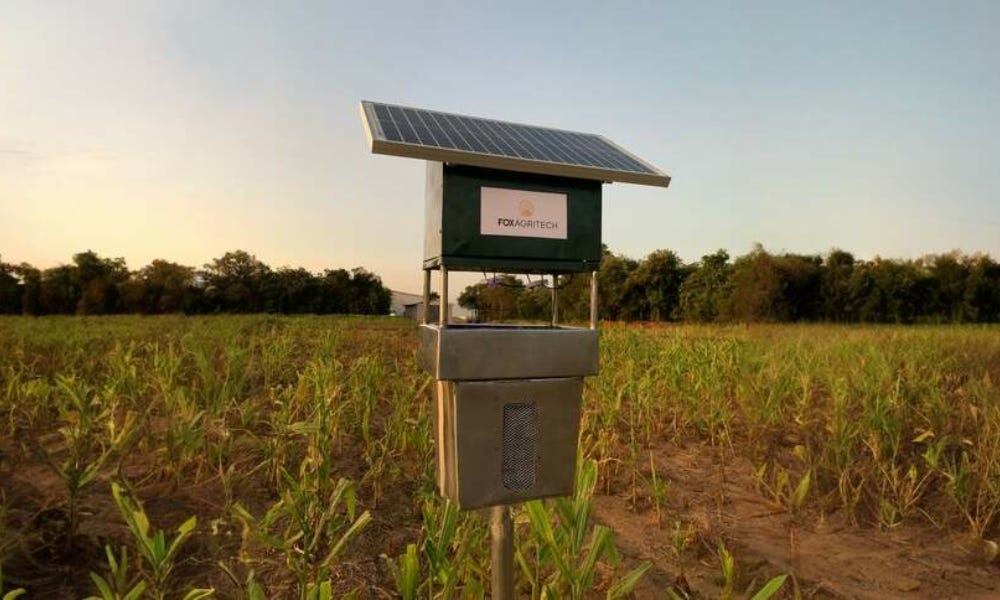
Fox Agritech Uses AI to Track Cotton Boll Weevil - Mato Grosso startup Fox Agritech is developing a pest-monitoring system that combines electromagnetic waves, LEDs, computer vision, and AI to detect cotton boll weevil in the field. Founded by 25-year-old agricultural technician Kennedy Gnoatto in Sinop, the company is moving from controlled tests to field validation, with pilot areas in Mato Grosso and Bahia and support from Bahia’s cotton growers association Abapa. Fox says the system could cut insecticide applications by up to 15%, reduce repeated field visits, and improve early detection of outbreaks. read more
Embrapa Expands Generative AI Across Research and Farm Advice - Embrapa says 14 research units are expanding the use of generative AI to speed up scientific work, improve technical recommendations, and support decision-making across Brazil’s agro-food and forestry systems. The technology is being used to organize large datasets, simulate production scenarios, generate reports, and develop more tailored field recommendations. Embrapa says the effort builds on its earlier use of predictive AI in areas such as soybean rust monitoring and disease prevention, while opening new applications in climate zoning, crop management, genetic improvement, and soil analysis. read more
Syngenta Expands Digital Platform Toward 100 Million Hectares - Syngenta is bringing a new digital operations tool to Brazil as part of its global push to monitor 100 million hectares by 2030 through its Cropwise platform. The company says the system helps farmers integrate planning, execution, and analysis in one place, making it easier to compare field performance, spot waste, and understand differences in input-use efficiency. Syngenta currently tracks 76 million hectares globally, including 14.8 million in Brazil, while Cropwise Operations already covers 50 million monitored hectares, 30,000 connected machines per day, and 40,000 active users. read more
Climate Tech
i4sea Brings Hyperlocal Climate Intelligence From Ports to Farms - Brazilian startup i4sea is taking its AI-powered climate intelligence platform from ports and offshore operations into agriculture, offering hyperlocal forecasts built from weather stations, radar, and sensor data for periods ranging from a few hours to 15 days. Already used at major ports such as Santos and Açu, as well as by mining and offshore wind operators, the platform is now being positioned to help farmers manage weather volatility and climate extremes. The company says the system can support both real-time operational decisions and longer-term planning. read more
Banana Milk Scales Banana-Based Plant Milk in Brazil - Santa Catarina foodtech Banana Milk is growing 10% month over month as it bets on banana-based plant milk to carve out a differentiated niche in Brazil’s expanding alternative beverage market. Founded by Marcos Christol after spotting the category gap during a trip to the US, the company has reached 400 points of sale in less than a year. Its asset-light model outsources production so capital can stay focused on product development, branding, and go-to-market execution. Banana Milk is using Santa Catarina as a test market before expanding nationally. read more
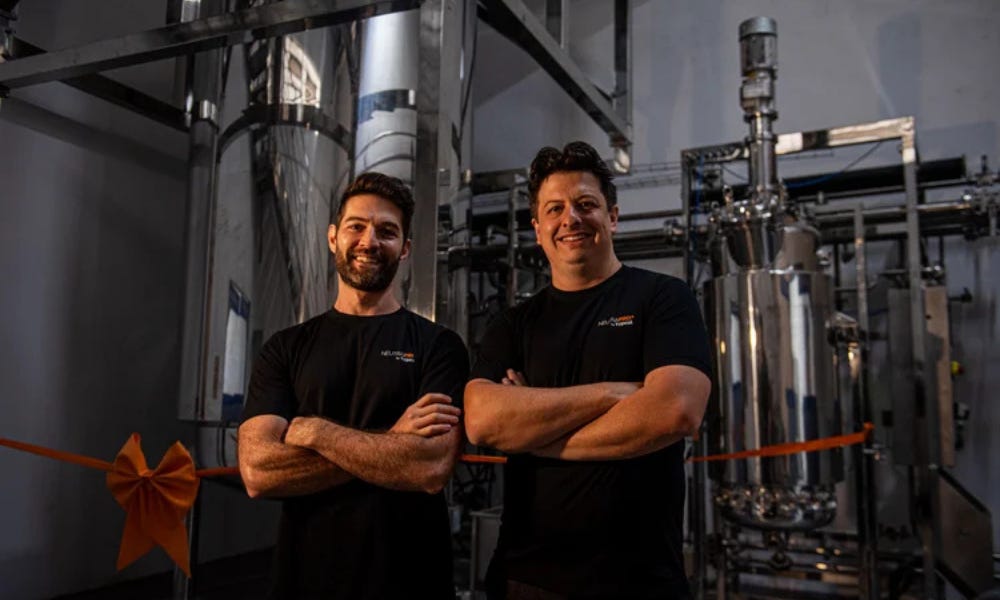
Typcal Bets on Mycelium Protein for Alternative Ingredients - Paraná-based foodtech Typcal is betting on mycelium, the root-like structure of fungi, as the base for a new protein and fiber ingredient aimed at the food industry. The startup says it wants to generate US$1 million in its first year and is targeting export markets such as Chile, Mexico, and Europe while awaiting final Anvisa approval in Brazil. With initial production capacity of about five tons per month, Typcal says its ingredient contains around 45% protein and 35% fiber and can be used in products ranging from snacks and breads to hybrid meat products. read more
BTG Timberland Raises US$370 Million for Latin American Forestry - BTG Pactual Timberland Investment Group, the forestry investment arm of BTG, has completed a US$370 million first close for a new strategy focused on large-scale sustainable forestry projects across Brazil, Uruguay, and Chile. The group aims to reach US$1.5 billion in commitments over five years, targeting diversification across geographies, climates, species, and end markets. The raise builds on BTG’s broader expansion in nature-based assets, including timber, carbon, and reforestation strategies in Latin America. read more
CTC Opens US$20 Million Lab to Scale Synthetic Sugarcane Seed - CTC has inaugurated a US$20 million production unit in Piracicaba to scale its synthetic sugarcane seed technology, designed to make planting lighter, cheaper, and more compatible with precision agriculture. The company says the new lab raises productive capacity to 500 hectares of seedlings per shift and marks another step in a project that has already absorbed close to US$200 million since 2013, with support from Finep and BNDES. CTC estimates the technology can cut planting material needs from 16 tonnes of cane stalks per hectare to about 400 kilograms, opening the door to more automated planting systems. read more
Funding & M&A
Petrobras To Invest US$1 Billion in Nitrogen Fertilizer Plant - Petrobras is investing US$1 billion in a new nitrogen fertilizer plant in Mato Grosso do Sul, deepening its return to the sector and aiming to supply 15% of Brazil’s nitrogen fertilizer demand once the unit is operational. The UFN3 project is expected to be completed in 2029, with urea storage infrastructure coming earlier, by mid-2027. The move comes as Brazil remains heavily dependent on imported fertilizers and exposed to geopolitical shocks in strategic inputs. read more
Cofco to Invest US$400 Million to Expand Soy Crushing in Mato Grosso - Cofco will invest US$400 million to double the soy crushing capacity of its Rondonópolis plant in Mato Grosso, lifting throughput from 4,500 tonnes to 10,000 tonnes per day and turning the site into Brazil’s largest soy crushing unit. The expansion is expected to be completed in early 2028 and will also increase production of higher-value products such as soybean meal and oil. The project adds to Cofco’s broader Brazil push following the opening of a new terminal at the Port of Santos last year. read more
BNDES Backs CNH Innovation Push in Brazilian Ag Machinery - Brazil’s development bank BNDES has approved US$26 million in financing for CNH Industrial Brasil under its BNDES Mais Inovação program to support eight projects focused on new and improved agricultural machinery. The package includes investments in harvesters, tractors, and input application equipment tailored to Brazilian farming conditions, with an emphasis on efficiency, emissions reduction, and future regulatory demands tied to carbon markets and low-impact fuels. Among the flagship projects is a planter capable of applying seeds, fertilizers, solids, and inoculants in a single pass. read more
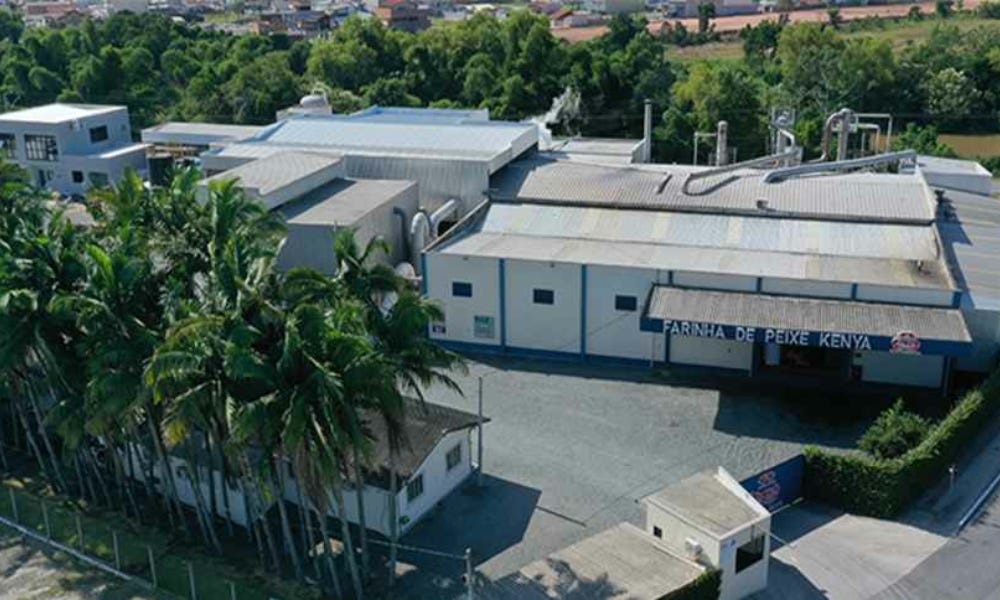
GDC Reenters Animal Nutrition with Patense Plant Acquisition - GDC Alimentos, owner of Gomes da Costa and controlled by Spain’s Nauterra, has acquired a fishmeal plant in Itajaí, Santa Catarina, from the bankrupt Grupo Patense for US$27 million. The asset was sold through Patense’s judicial recovery process and the transaction was cleared by Brazil’s antitrust authority. The purchase marks GDC’s return to the animal nutrition ingredients segment after exiting the business in 2023, while also helping it recover part of the roughly US$12 million it is still owed by Patense as one of the group’s largest creditors. read more
Raízen Creditors Seek Control in Debt-for-Equity Restructuring - Creditors of Raízen have proposed converting 45% of the company’s roughly US$13 billion debt into equity in exchange for 90% ownership, in a move that would sharply dilute current shareholders and hand effective control to lenders. The proposal comes as Raízen negotiates an out-of-court restructuring after being hit by high interest rates, unpaid investments, and operational challenges in its sugar and ethanol businesses. The talks also carry broader implications for parent Cosan, as major banks have reportedly threatened to restrict credit to other group companies if no agreement is reached before the June 6 deadline. read more
Macro & Markets
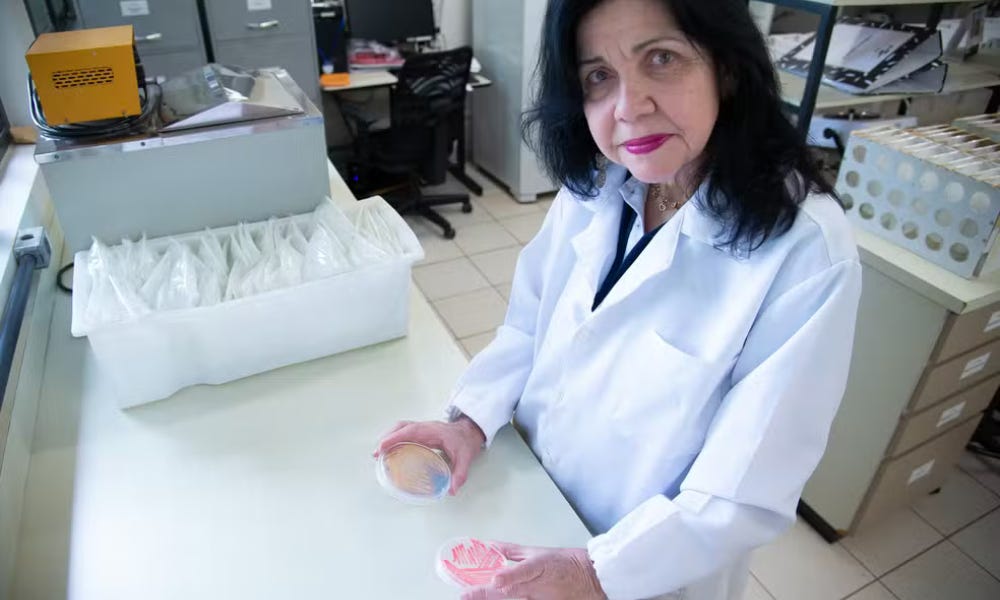
Embrapa Scientist Mariangela Hungria Makes Time 100 - Embrapa researcher Mariangela Hungria has been named to Time’s list of the 100 most influential people in the world, recognition tied to her decades of work developing soil microorganisms that help crops absorb nitrogen naturally. According to the magazine, her innovations are now used on 85% of Brazil’s soybean area and help farmers save about US$25 billion per year while avoiding 230 million tonnes of carbon dioxide equivalent emissions. Hungria, a microbiologist and agronomist, has spent 34 years researching biological alternatives to chemical fertilizers and last year also received the World Food Prize. read more
CNA Challenges Satellite-Based Rural Credit Rule at Supreme Court - Brazil’s farm association CNA has filed a case with the Supreme Court seeking to suspend recent regulatory rules that require banks and other financial institutions to use satellite monitoring data from Prodes when evaluating rural credit for farms. The farm lobby argues the measure can wrongly treat legal land clearing as illegal deforestation, ignores cases under environmental regularization, and risks freezing financing before producers can present a defense. CNA says the rule could delay or block funding for the next crop season at a time of already tight margins and high input costs. read more
Nestlé Bets on Iced Coffee to Lift Nescafé Sales in Brazil - Nestlé expects iced coffee to grow from about 10% to 30% of Nescafé sales in Brazil by 2028 as it pushes the brand into new consumption occasions beyond the traditional hot cup. After entering the segment only in 2023, the company is expanding its cold portfolio and using formats such as ready-to-drink products, soluble coffee, and Dolce Gusto capsules to attract younger consumers and more social, on-the-go occasions. Nestlé says the category is adding incremental consumption, in new locations such as the beach, rather than cannibalizing hot coffee. read more
Dollar Falls Below R$5.00 for First Time in Two Years - The US dollar closed below R$5.00 on April 13 for the first time in two years, ending the session at R$4.9980 after comments from President Donald Trump lifted hopes of a possible agreement with Iran and improved sentiment across Brazilian assets. The move marked the fourth straight daily decline for the dollar in Brazil and left the currency down 8.95% on the year. For Brazilian farmers, foreign exchange remains a double-edged sword: a stronger real helps reduce the cost of imported inputs such as fertilizers, chemicals, and machinery, but it also makes Brazilian agricultural exports less competitive abroad by lowering returns in local currency. read more
That’s all for this week, thanks for reading,
KFG
Kieran Finbar Gartlan is an Irish native with over 30 years of experience living and working in Brazil. He is Managing Partner at The Yield Lab Latam, a leading venture capital firm investing in Agrifood and Climate Tech startups across Latin America.