


Hi, I’m Kieran Gartlan, Managing Partner at The Yield Lab Latam, ranked second in the world last year for early-stage AgTech investments. If you’re interested in learning more about Brazil’s AgTech opportunity, feel free to get in touch.
This week’s Brazil AgTech news begins with a familiar pleasure: who doesn’t love the smell of freshly brewed coffee? Kapeh is taking that appeal beyond the cup, turning coffee into more than 200 cosmetics and preparing a new café-and-beauty franchise model. AgSafe is using AI to protect bees from crop spraying, Broto and iRancho are bringing offline cattle management to more ranchers, and agricultural robots could help fill the sector’s growing labour gap.
In Climate Tech, Copersucar tests ethanol as a marine fuel, while Energis8 plans a $1.3 billion sustainable aviation fuel plant in São Paulo. A new study warns that ending the Soy Moratorium could add 1.4 million hectares of Amazon deforestation by 2035, while AI Pathology is using mobile AI to help screen rural workers for skin cancer.
Funding & M&A brings a retreat and an expansion. BASF is closing its dedicated Brazilian venture capital operation, while Canopy enters agricultural software through the acquisition of Maxicon, creating a platform for further consolidation across the sector.
In Macro & Markets, foreign capital is moving deeper into Brazil’s fast-growing corn ethanol industry, and the country is set to retain its lead over the US in cotton exports. Brazil is also tightening rules on antimicrobial use in livestock as exporters target more demanding international markets.
AgTech
Kapeh Brews Coffee into Cosmetics and Franchise Growth
AgSafe Uses AI to Protect Bees from Crop Spraying
Broto and iRancho Launch Offline Cattle Management Platform
Farm Robots Could Ease Agriculture’s Labour Shortage
Biome4All Launches AI Tool to Screen Soil Microbiology
Precision Agriculture Could Add $2.2 Billion to Farm GDP
Climate Tech
Copersucar Tests Ethanol as Marine Fuel in Santos
Energis8 Plans $1.3 Billion SAF Plant in São Paulo
Soy Moratorium’s End Could Add 1.4 Million Hectares of Deforestation
Mobile AI Screens Rural Workers for Skin Cancer
Funding & M&A
BASF Closes Local CVC Operation in Brazil
Canopy Enters Ag Software with Maxicon Acquisition
Macro & Markets
Foreign Capital Expands Brazil’s Corn Ethanol Industry
Brazil Set to Retain Global Cotton Export Lead
Brazil Tightens Rules on Antimicrobial Use in Livestock
AgTech
Kapeh Brews Coffee into Cosmetics and Franchise Growth - Coffee may be best known for waking people up, but Kapeh is giving it a second life in the bathroom cabinet. The Minas Gerais company has developed more than 200 coffee-based cosmetics, including exfoliants, body oils and lip treatments, and now sells through more than 300 multibrand outlets and five concept stores and kiosks. Around 5% of production is already exported. Kapeh is now preparing a franchise format combining cosmetics retail with cafés, turning one of Brazil’s best-known crops into a broader beauty and lifestyle brand. read more
AgSafe Uses AI to Protect Bees from Crop Spraying - Florianópolis-based AgSafe has developed an AI-powered platform that coordinates pesticide applications between farmers, spraying contractors and nearby beekeepers. The new platform, called Coex.AI, combines spraying schedules, apiary locations, weather conditions and product information to identify risks and issue advance alerts, allowing beekeepers to temporarily close hives while helping farmers reduce spray drift. Pilot projects in southern Brazil have reportedly improved soybean productivity and honey production, although the company has not disclosed precise gains. Founded in 2020 and currently self-funded, AgSafe is using Brazil as a testing ground before pursuing international expansion. read more
Broto and iRancho Launch Offline Cattle Management Platform - Banco do Brasil’s Broto ecosystem and iRancho have launched Broto Gestão Pecuária, a beef-cattle management system that tracks individual animals and centralizes farm data. Designed to work entirely offline, the platform aims to bring tools previously concentrated among larger operations to a broader range of ranchers. The companies say users can cut herd-management time by half and potentially double farm cash turnover through earlier slaughter, while improving traceability and data-based decision-making. read more
Farm Robots Could Ease Agriculture’s Labour Shortage - Agricultural robotics will become increasingly necessary as farmers age and younger workers avoid the sector, according to China Agricultural University researcher Wen-Hao Su. China is investing in research, specialist training and policies supporting robots for tasks including harvesting, crop monitoring and livestock management. Because equipment remains expensive, Su expects service models—where farmers pay for hours worked rather than buying machines—to accelerate adoption. In Brazil, the challenge will be developing robots that are powerful enough for large farms but light enough to avoid soil compaction, particularly in wetter production regions. read more
Biome4All Launches AI Tool to Screen Soil Microbiology - Biome4All has launched Biostart, an AI-based tool that uses physical and chemical soil data to predict microbiological risks linked to crop nutrition and pathogens. Trained on 14,000 soil samples collected over eight years, the system helps farmers identify priority areas before commissioning a full microbiological analysis, which can cost up to ten times more. After an initial free period, each assessment will cost about $8. The company expects the tool to expand access across farm sizes and increase its customer base from 6,000 to 9,000 producers. read more
Precision Agriculture Could Add $2.2 Billion to Farm GDP - Expanding precision agriculture could add more than $2.2 billion to Brazil’s agricultural GDP and generate over 400,000 jobs, according to Embrapa president Silvia Massruhá. She highlighted AI, connectivity and data analytics as central to improving productivity, strengthening sustainability and preparing farms for climate risks. However, limited digital access across rural Brazil remains a major barrier. The estimate was presented at precision and digital agriculture conferences in Porto Alegre, which drew 845 participants and more than 500 technical papers. read more
Climate Tech
Copersucar Tests Ethanol as Marine Fuel in Santos - Copersucar supplied 635,000 litres of sugarcane ethanol to a CMA CGM container ship in Brazil’s first transoceanic marine trial of the fuel. The ethanol will power part of the vessel’s journey to Sri Lanka and could reduce emissions by around 70% compared with conventional bunker fuel. Wider adoption still depends on new vessels, port infrastructure, international regulation and economics: ships require about 1.6 tonnes of ethanol to replace one tonne of fossil fuel. Copersucar believes scale and carbon credits, currently estimated near $100 each, could eventually narrow the cost gap. read more
Energis8 Plans $1.3 Billion SAF Plant in São Paulo - Brazilian company Energis8 plans to invest $1.3 billion in a sustainable aviation fuel plant in Paulínia, São Paulo, targeting annual production of around one billion litres from 2031. The facility would operate through a toll-processing model, converting ethanol supplied by customers into SAF for a per-litre fee. It would require about 1.7 billion litres of ethanol annually. The company expects the model to reduce exposure to volatile SAF prices and believes renewable aviation fuel costs will eventually approach parity with fossil-based jet fuel. read more
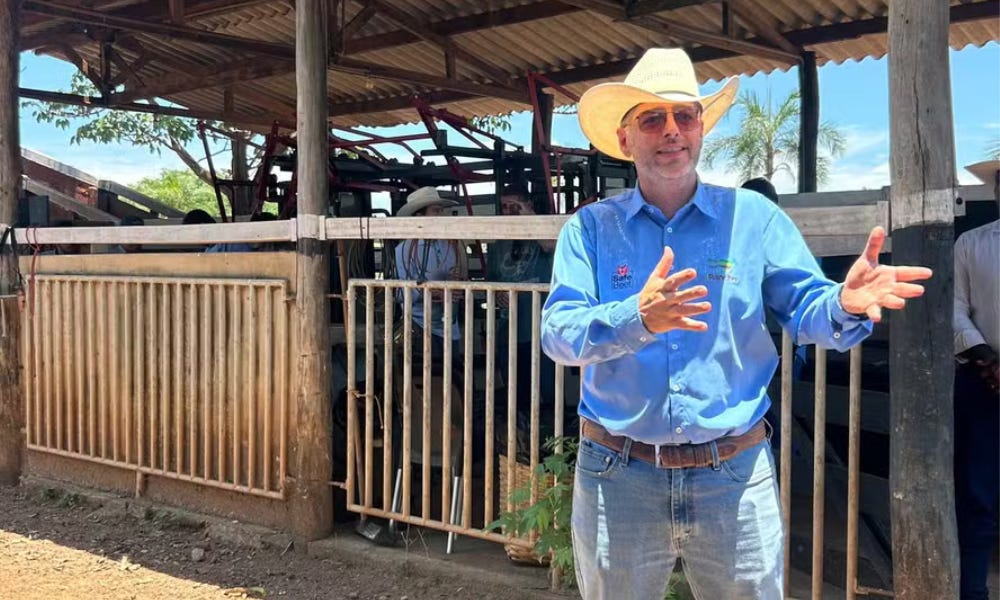
Soy Moratorium’s End Could Add 1.4 Million Hectares of Deforestation - Ending Brazil's Soy Moratorium could increase Amazon deforestation by 1.4 million hectares by 2035 and generate 745 million tonnes of carbon-equivalent emissions, according to a study published in Science. The researchers estimate the agreement prevented 1.8 million hectares of forest loss during its first decade and found no systematic evidence that participating farmers received lower soy prices. Aprosoja disputes the analysis, arguing that recent deforestation alerts have declined and that the moratorium restricted legal production rights. The debate now moves toward Brazil’s Supreme Court, which is reviewing state laws affecting the agreement. read more
Mobile AI Screens Rural Workers for Skin Cancer - AI Pathology’s Nevo tool uses smartphone photos to assess suspicious skin lesions and identify patients who need specialist care. In a seven-month project with Senar Goiás, technicians screened 2,058 rural workers from small and medium-sized farms, leading to 75 confirmed cases that received free treatment. The company says the system identified all urgent lesions requiring referral and achieves up to 93% accuracy in risk screening, although it does not replace medical diagnosis. AI Pathology now plans to expand the program into Brazil’s South, Center-West and Northeast. read more
Funding & M&A
BASF Closes Local CVC Operation in Brazil - BASF Venture Capital has reorganized its $290 million global fund around teams in Germany, China and the US East Coast, ending its dedicated local operation in Brazil. Its South American portfolio will now be managed from Germany, although BASF says it remains an investor in existing companies and funds. Brazilian investments include Traive, Grão Direto and SP Ventures’ AgVentures II. The move reflects a broader retrenchment by corporate venture arms in the region, even as BASF continues investing globally from seed through Series B in sustainability, biotechnology and AI. read more
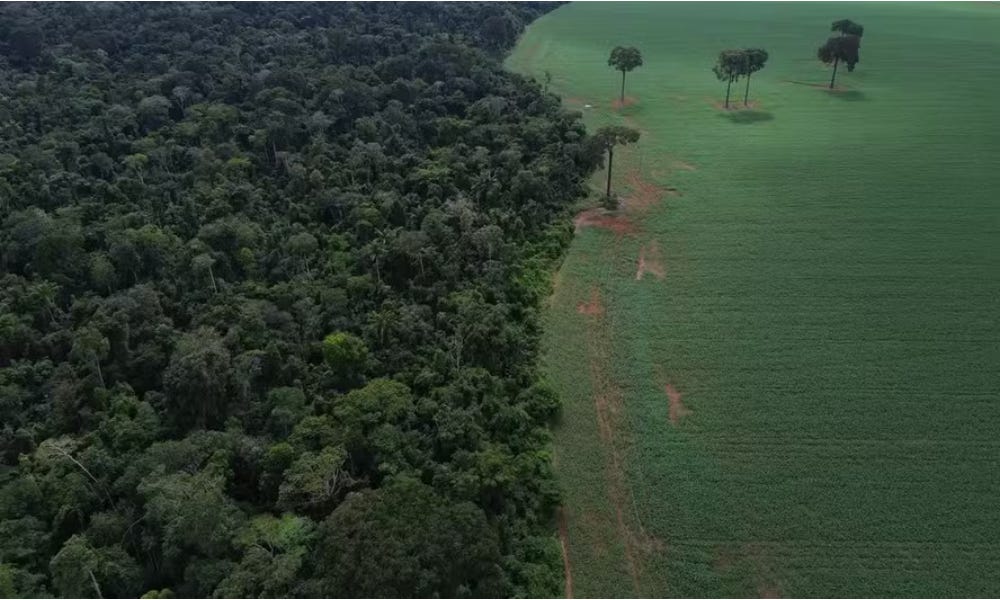
Canopy Enters Ag Software with Maxicon Acquisition - Brazilian software consolidator Canopy has acquired Maxicon, a Paraná-based platform serving grain originators and logistics operators. Maxicon has more than 7,000 users, processes around 35 million tonnes of grain annually and supports roughly $24 billion in transactions. The acquisition is Canopy’s third overall and its first in agriculture, following a $100 million fundraising to build software platforms through M&A. Canopy plans to use Maxicon as a base for further consolidation across farming, livestock, logistics and agro-industrial software, while Maxicon’s founders remain in the business. read more
Macro & Markets
Foreign Capital Expands Brazil’s Corn Ethanol Industry - Foreign investors are moving into Brazil’s fast-growing corn ethanol sector, attracted by abundant second-crop corn, year-round processing and multiple revenue streams from ethanol, DDGS, corn oil, electricity and biomethane. Paraguay’s Inpasa, US-backed FS and Cargill, and the UAE’s Mubadala-backed Atvos have already committed capital, while BP is assessing potential projects linked to its sugarcane assets. Brazilian corn ethanol output has risen to nearly 10 billion litres from 2.65 billion at the start of the decade. Chinese companies remain largely on the sidelines, despite opportunities in equipment, financing, joint ventures and integrated biorefineries. read more
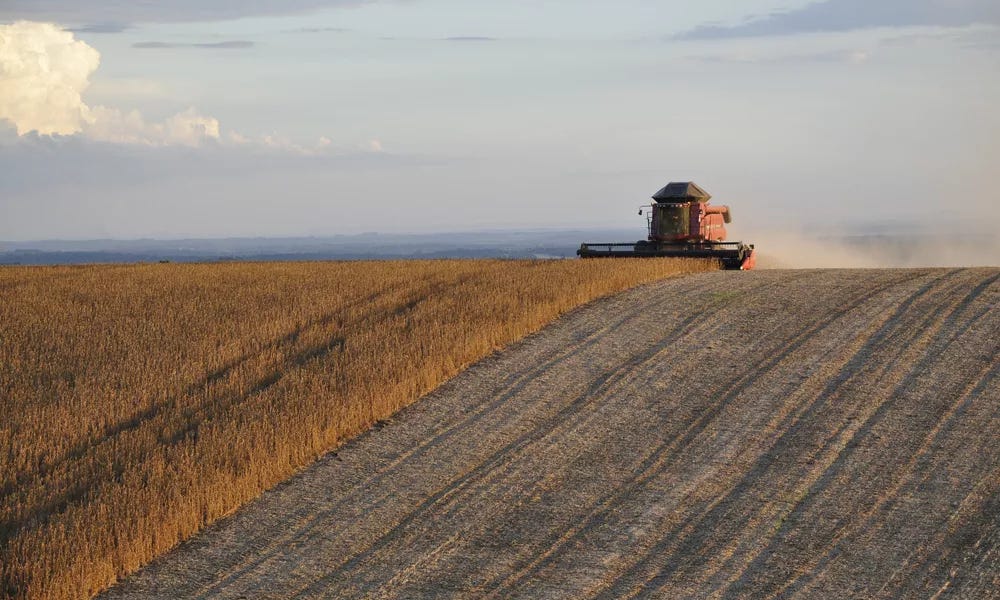
Brazil Set to Retain Global Cotton Export Lead - Brazil is expected to remain the world’s largest cotton exporter in 2026/27, with shipments projected at 3.2 million tonnes, according to the USDA. Production was revised up to 3.9 million tonnes, still below the record 4.08 million tonnes expected for 2025/26, while ending stocks were cut to 742,000 tonnes as more fibre heads overseas. The US is forecast to produce 3 million tonnes and export 2.7 million tonnes. Global consumption is expected to remain above production, keeping the market relatively tight. read more
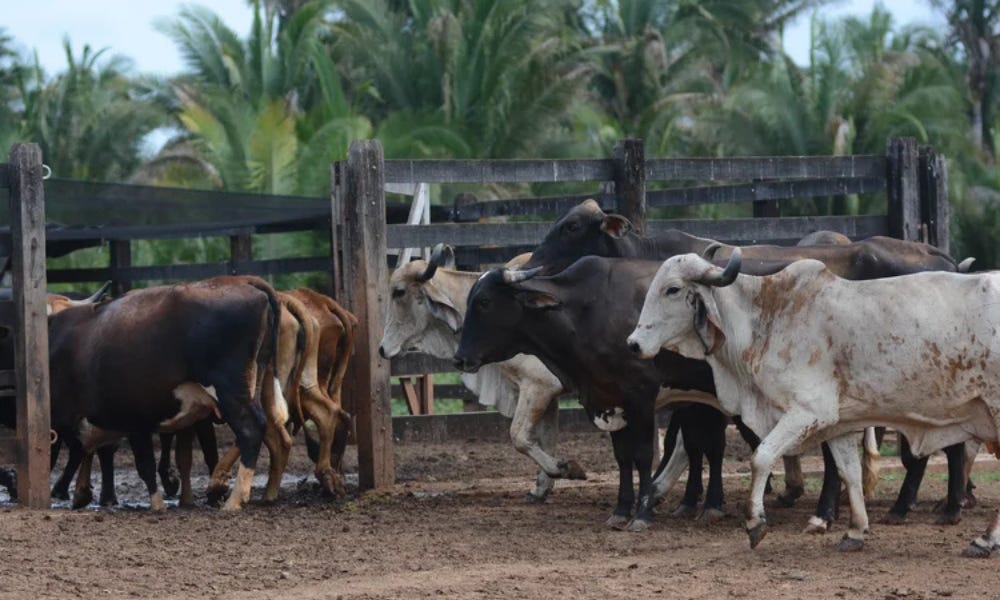
Brazil Tightens Rules on Antimicrobial Use in Livestock - Brazil has banned five antimicrobials from being manufactured, imported, sold or used as growth promoters in animal feed, aligning its livestock regulations more closely with international efforts to combat antimicrobial resistance. The new rules cover avoparcin, bacitracin, zinc bacitracin, bacitracin methylene disalicylate and virginiamycin, with existing registrations to be cancelled after a transition period. The measure could help Brazilian meat exporters preserve access to higher-value markets such as the EU, UK and Japan, where food safety and responsible antimicrobial use are becoming increasingly important trade requirements. read more
That’s all for this week, thanks for reading,
KFG
Kieran Finbar Gartlan is an Irish native with over 30 years of experience living and working in Brazil. He is Managing Partner at The Yield Lab Latam, a leading venture capital firm investing in Agrifood and Climate Tech startups across Latin America.