


Hi, I’m Kieran Gartlan, Managing Partner at The Yield Lab Latam, one of the region’s top AgriFood and Climate Tech VC funds. If you’re curious to learn more about Brazil’s AgTech Revolution, feel free to reach out here, or on LinkedIn. I’m always happy to share what I’m seeing on the ground.
Summary
In AgTech and AI news, Beeflow is expanding its bee pollination technology business in Brazil, Embrapa has developed an AI platform to predict soybean rust outbreaks using climate and crop data and Brazil’s agricultural drone market is entering a consolidation phase. In food innovation, Cellva raised funding to scale a cocoa alternative made from coffee byproducts, and researchers developed a protocol that could enable artificial rabbit milk production.
In Climate Tech developments, Bioinfood secured funding to improve yeast strains used in ethanol fermentation while Dow signed renewable energy agreements with Casa dos Ventos for solar and wind power generation. Meanwhile, Geo bio gas&carbon partnered with Syzygy Plasmonics to explore producing sustainable aviation fuel from sugarcane biogas and Hummingbirds raised new capital to develop nature-based carbon projects with local communities in Brazil.
On the Funding front, The Yield Lab Latam is preparing a new early-stage AI-first AgTech fund focused on opportunities in Brazil. In M&A, Daabon acquired Agropalma operations in Pará, while in dairy Piracanjuba took control of Bäsel Lácteos to expand into specialty cheeses and Arcos Gestão e Investimentos assumed control of Lavoro’s agricultural input distribution operations. Warburg Pincus also announced plans to invest up to US$1 billion to support the expansion of Global Eggs.
In Macro & Markets, Brazil secured new export access for soybeans to the Philippines and ground beef to Mexico while a storage bottleneck in Mato Grosso highlights ongoing infrastructure constraints, with roughly half of the state’s grain harvest lacking adequate storage capacity.
Table of Contents
AgTech & AI
• Beeflow expands pollination tech in Brazil
• Embrapa launches AI tool for soybean rust
• Agricultural drones enter consolidation phase
• Cellva raises funding for coffee-based cocoa alternative
• Protocol developed for artificial rabbit milk
Climate Tech
• Bioinfood develops yeast to boost biofuel yields
• Dow and Casa dos Ventos sign renewable power deals
• Geo explores SAF production from sugarcane biogas
• Hummingbirds raises capital for carbon projects
Funding & M&A
• The Yield Lab Latam prepares Brazil-focused AgTech fund
• Daabon acquires Agropalma operations in Pará
• Piracanjuba takes control of Bäsel Lácteos
• Arcos assumes control of Lavoro distribution business
• Warburg Pincus backs expansion of Global Eggs
Macro & Markets
• Brazil opens soybean and beef exports to new markets
• Mato Grosso faces major grain storage bottleneck
AgTech & AI
Beeflow targets US$10 million revenue as it expands in Brazil - Argentine startup Beeflow, a Yield Lab Latam portfolio company, is betting on Brazil as a key growth market. The company, which specializes in agricultural pollination using trained bees, aims to surpass US$10 million in revenue as it scales operations with large agricultural producers. Founded in 2016 and operating in five countries, about half of its revenue currently comes from pollination services in blueberry production. In Brazil, where trials began in citrus orchards, the company is expanding into crops such as coffee and apples, combining bee training using floral scent compounds with partnerships with local beekeepers to improve pollination efficiency and yields. read more
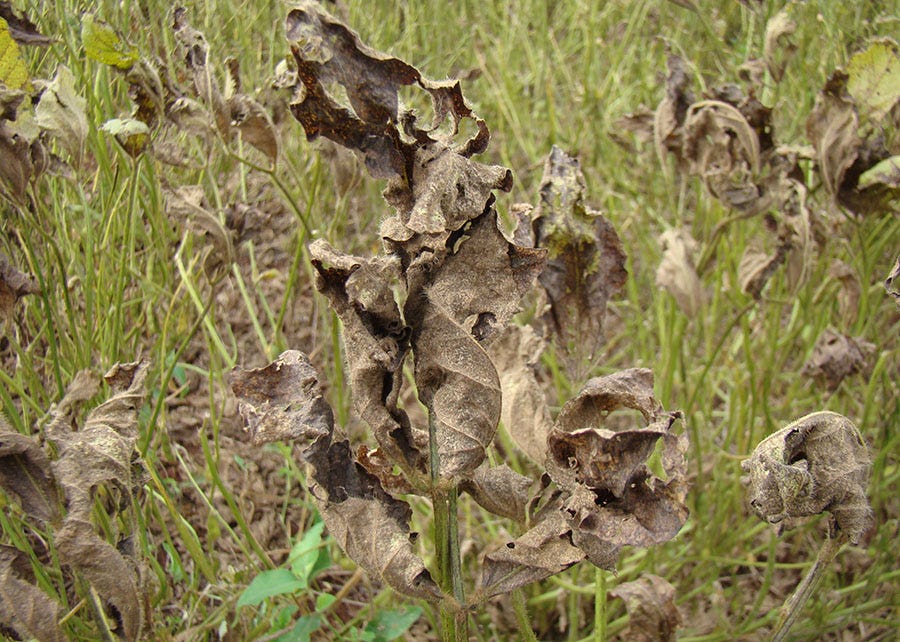
AI tool helps farmers manage soybean rust risk - Researchers at Embrapa have developed a digital platform that uses artificial intelligence and multiple data sources to help farmers detect and manage Asian soybean rust, one of the crop’s most destructive diseases. The system combines climate data, environmental sensors, leaf images and agronomic parameters such as cultivar and planting calendar to assess the likelihood of disease outbreaks. Hosted in the cloud, the platform generates risk maps and technical recommendations that help producers decide when and where to apply fungicides, potentially reducing unnecessary applications while improving disease control. read more
Agricultural drone market enters consolidation phase - Brazil’s agricultural drone market is entering a new phase as rapid adoption begins attracting large machinery manufacturers. The country now has more than 30,000 registered agricultural drones, up from only 2,000 in 2021, according to industry estimates. The technology is widely used for crop spraying and monitoring, with drones able to treat about 20 hectares per hour while reducing water and chemical use. As the market expands, competition is intensifying and consolidation is expected. Major machinery groups such as Jacto and CNH Industrial are moving into the segment, while DJI Agriculture has already built a network of about 400 service centers across Brazil to support operators and equipment maintenance. read more
Cellva raises US$4M to scale cocoa alternative made from coffee byproducts - Brazilian foodtech Cellva has raised about US$4 million in a pre-Series A round as it pivots from cultivated animal fat to a new ingredient designed to replace cocoa solids. The company’s product, CoffeeCoa, is made from coffee fruit byproducts and can be used in chocolate, bakery and beverage formulations. The funding will support construction of a semi-industrial plant in Manaus and help scale production toward a target of 1,000 tons by 2026. By sourcing coffee husks from Brazilian farmers, Cellva aims to create a new value chain around agricultural residues while addressing volatility in global cocoa markets. read more
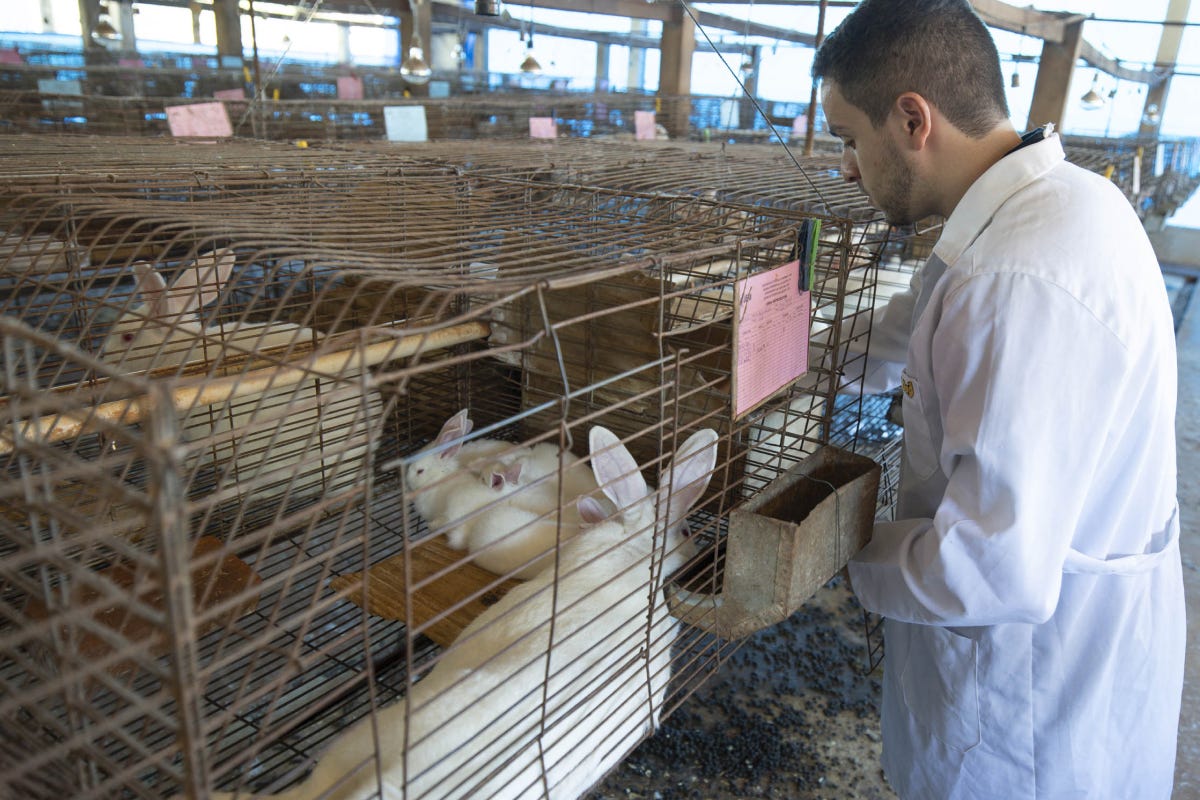
New protocol opens path to artificial rabbit milk production - Researchers at the State University of Maringá have developed a technique to collect milk from rabbits, a key step toward producing artificial rabbit milk in Brazil. The breakthrough addresses a common challenge in rabbit farming: large litters often exceed the mother’s ability to feed all newborns. The protocol combines hormonal stimulation, natural suckling cues and suction equipment to collect milk safely without harming the animals. Scientists believe the technique could eventually enable commercial rabbit milk formulas and help reduce early mortality rates in rabbit production systems. read more
Climate Tech
Bioinfood raises US$600k to improve biofuel fermentation with yeast technology - Brazilian biotech startup Bioinfood secured about US$600,000 from state funder FINEP to advance yeast strains designed to improve ethanol fermentation efficiency. Developed from research at the University of Campinas, the technology aims to increase ethanol yields while allowing microorganisms to better withstand harsh conditions inside industrial fermenters. The project focuses on improving sugar conversion in both sugarcane and corn ethanol processes, potentially boosting output without additional feedstock. read more
Dow and Casa dos Ventos sign solar and wind self-generation deals - Dow signed two renewable energy agreements with Brazilian developer Casa dos Ventos under Brazil’s autoprodução model, where large energy consumers become equity partners in generation assets. One agreement gives Dow participation in the Seriemas solar complex in Mato Grosso do Sul, expected to begin operations in 2026. The second expands Dow’s stake in the Rio do Vento wind complex in Rio Grande do Norte. read more
Geo partners with U.S. firm to produce sustainable aviation fuel from sugarcane biogas - Geo bio gas&carbon signed an MOU with Texas-based Syzygy Plasmonics to develop projects converting sugarcane biogas into sustainable aviation fuel (SAF). The initiative will use biogas generated from sugarcane residues such as vinasse and filter cake, transforming waste streams into low-carbon jet fuel. Initial plants are expected to produce up to 100,000 tons of SAF annually, with plans to expand capacity to more than 525,000 tons. read more
Hummingbirds raises US$60M to scale nature-based carbon projects - French startup Hummingbirds raised €50 million (about US$60 million) in a Series A round led by Swedfund, Proparco and British International Investment. The company structures nature-based carbon projects by connecting investors, developers and local communities to build carbon credit supply. Brazil is a priority market, with projects underway in Pará and Bahia focused on reforestation and land restoration. Hummingbirds works at early project stages, assessing economic viability, governance structures and community participation before larger investors scale the initiatives. read more
Funding & M&A
The Yield Lab Latam prepares Brazil-focused early-stage AgTech fund - The Yield Lab Latam (yours truly) is preparing to launch a new investment fund dedicated exclusively to Brazilian startups operating across the agricultural supply chain. The vehicle will focus on early-stage, high-growth companies, with a particular emphasis on AI-first technologies that improve productivity, efficiency and decision-making in agriculture. The strategy aims to attract capital from Brazilian strategic investors and institutions that typically cannot participate in offshore regional funds such as the Yield Lab Latam Opportunity Fund. We are seeing a growing pipeline of new startups emerging at the intersection of AI, digital agriculture and climate technologies in Brazil. read more
Daabon acquires Agropalma operations in Pará - Colombian agribusiness group Daabon agreed to acquire the Pará operations of Brazilian palm oil producer Agropalma, expanding its footprint in one of the world’s fastest-growing palm oil regions. The deal includes a refinery near Belém, six extraction plants and roughly 107,000 hectares of land, with more than 40,000 hectares already under cultivation. The acquisition forms part of a divestment strategy by AlfaPar, the holding company of the Faria family that owns Agropalma. read more
Piracanjuba takes control of specialty cheese producer Bäsel Lácteos - Brazil’s antitrust authority approved the acquisition of Bäsel Lácteos by dairy group Piracanjuba, strengthening the company’s presence in premium cheese markets. Bäsel produces specialty cheeses including emmental, gruyère, gouda and maasdam at its facility in Antônio Carlos, Minas Gerais. The deal expands Piracanjuba’s industrial footprint to ten plants across Brazil and supports its strategy to move into higher value dairy products. read more
Arcos assumes control of Lavoro’s distribution business in Brazil - Brazilian restructuring firm Arcos (AGI) has assumed control of Lavoro’s agricultural input distribution operations in Brazil as part of a broader restructuring of the ag retail sector. The transaction follows the exit of Pátria Investimentos from Lavoro’s original consolidation strategy, which aimed to build a nationwide network of agricultural retailers. Lavoro will now focus its operations in Colombia, while Arcos takes over the Brazilian distribution assets. The move mirrors the restructuring of Agrogalaxy, another major ag retail roll-up that has also faced financial challenges in Brazil’s farm input distribution market. read more
Warburg Pincus invests up to US$1B in Global Eggs expansion - Private equity firm Warburg Pincus announced plans to invest up to US$1 billion in Global Eggs, the international egg production group led by Brazilian entrepreneur Ricardo Faria. The deal values the company at about US$8 billion and will support its global expansion strategy. Founded in 2018 and headquartered in Luxembourg, Global Eggs operates across Brazil, the United States and Europe through businesses including Granja Faria, Hillandale Farms and Grupo Hevo. With roughly 45 million birds and billions of eggs produced annually, the company aims to strengthen its position in global protein markets through acquisitions and capacity expansion. read more

Macro & Markets
Brazil opens soybean and beef exports to new markets - Brazil secured new export approvals allowing soybean shipments to the Philippines and ground beef exports to Mexico, expanding access to two important international markets. The Philippines is a major importer of soybeans for animal feed, while Mexico represents a growing destination for higher value beef products. The new agreements are part of Brazil’s broader strategy to diversify export destinations and strengthen trade ties across Asia and Latin America. Mexico imported more than US$3 billion in Brazilian agricultural products last year, and demand from Southeast Asia continues to rise as livestock production expands. read more
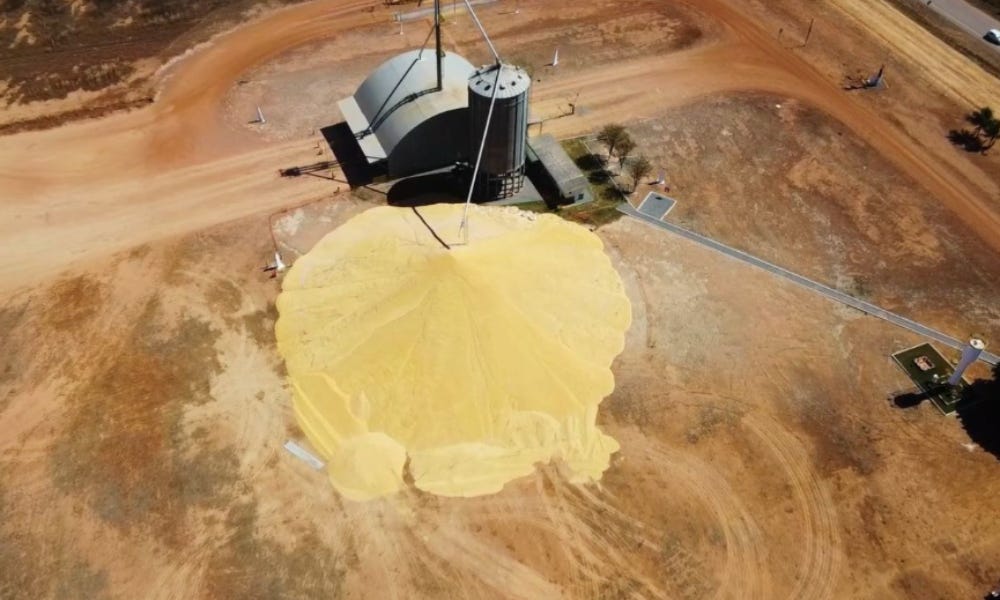
Mato Grosso storage bottleneck leaves half the harvest without capacity - Brazil’s largest grain producing state continues to face a major infrastructure constraint as production outpaces storage capacity. According to Aprosoja MT, Mato Grosso is expected to produce about 103 million tons of soybeans and corn in the 2025–26 season but has storage space for only about half that volume. The shortfall forces farmers to sell quickly during harvest, often at lower prices, and increases pressure on transport and logistics systems. Industry groups estimate Brazil needs roughly US$3 billion in annual investment to expand storage infrastructure and keep pace with rising grain production. read more
That’s all for this week, thanks for reading,
KFG
Kieran Finbar Gartlan is an Irish native with over 30 years of experience living and working in Brazil. He is Managing Partner at The Yield Lab Latam, a leading venture capital firm investing in Agrifood and Climate Tech startups across Latin America.