


Welcome to this week’s Brazil AgTech Report. Curated news from the frontline of Brazil’s Agri-Climate Tech ecosystem
Summary
In AgTech news, Canac has tripled in size by helping cane producers manage weather stress, Embrapa is tailoring soy for South Korea, and BUNTech is expanding across South America with seed tech acquisitions. Advances in cattle genetics are also positioning Brazil to cement global beef leadership.
In Climate Tech, carbon projects are emerging as a new economic backbone, requiring robust MRV and cross-sector partnerships. Farmers in the semi-arid northeast are adopting Gliricidia trees as forage, Mosaic is tripling its biologicals business, and Amaggi with Inpasa will add three new corn ethanol plants in Mato Grosso.
In Funding, Arara Seed is raising US$35 million to finance regenerative farmland, while Plantae is pivoting toward lower-risk perennial crops to smooth commodity volatility. Nestlé is also investing US$180 million to expand its historic Araras coffee plant, reinforcing Brazil’s role as the global coffee hub.
In M&A news, Raízen is selling mills, strengthening capital with Cosan and Shell, and exiting its Oxxo JV. Pedra and Ipiranga are leaving Copersucar, while Brazil’s 39 ag billionaires now hold a combined US$68 billion. Meanwhile, honey is being redirected to schools after US tariffs, Bahia’s cocoa revival gains momentum, and abandoned olive groves are being transformed into award-winning oils.
🧭 Table of Contents
AgTech
AgTech Canac triples growth despite climate
Agritech hit by US tariffs
BUNTech expands seed tech across South America
Embrapa tailors soy for South Korea
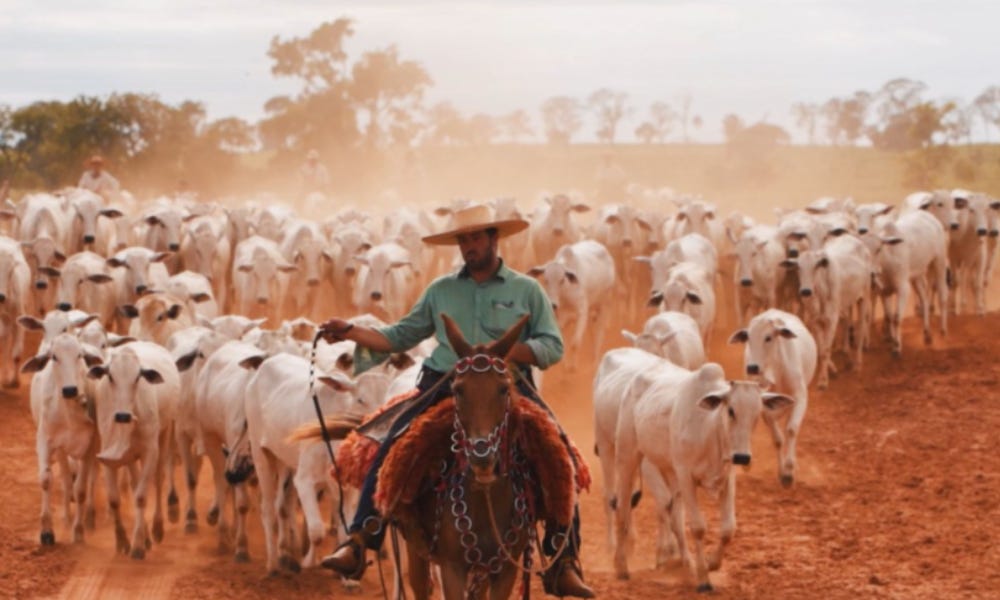
Genetics push Brazil toward beef leadership
Climate Tech
Carbon projects reshape agro economy
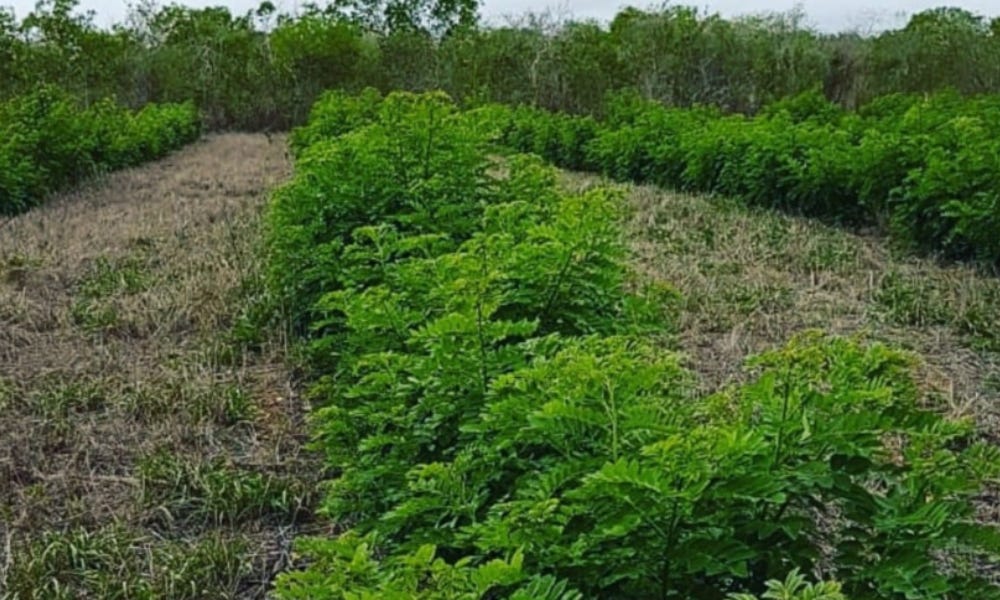
Gliricidia sustains cattle in drought
Mosaic triples biologicals business in Brazil
Amaggi and Inpasa plan ethanol plants
Funding / Fintech
Arara Seed targets degraded lands with new fund
Plantae shifts model to focus on perennials
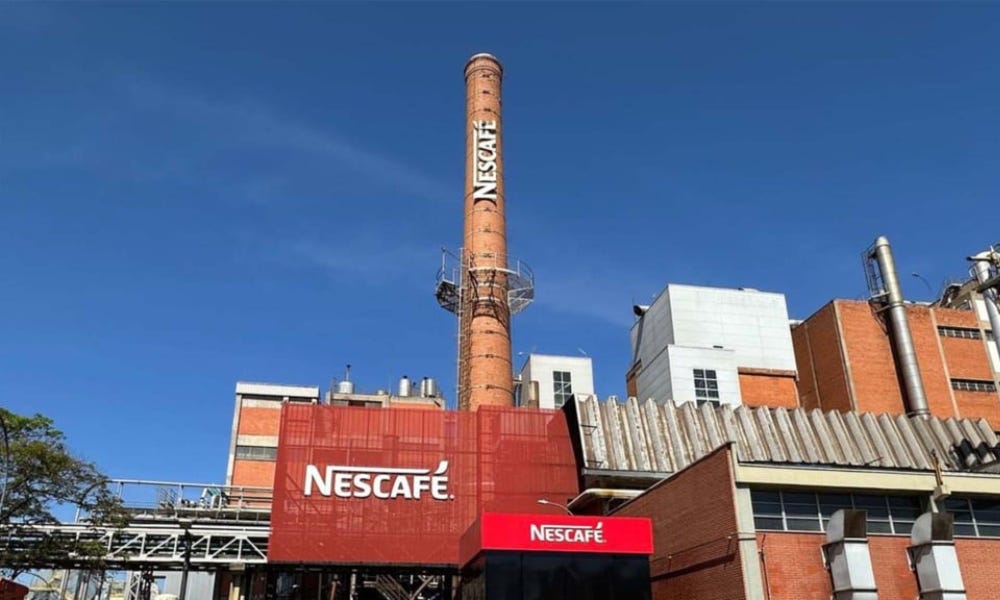
Nestlé invests $180M to expand Araras coffee plant
M&A
Raízen restructures with asset sales, capital talks, and retail exit
Pedra and Ipiranga exit Copersucar
Macro & Markets
Brazil’s ag billionaires worth $68B
Honey redirected after US tariffs
Cocoa legacy revival in Bahia
Abandoned olive grove yields award-winning oil
AgTech
AgTech Canac triples growth despite climate – Brazilian startup Canac, focused on digital solutions for sugarcane, has grown threefold in just two years despite adverse weather hitting cane fields. The company provides tools that improve monitoring, yield forecasting, and management efficiency for producers. By integrating satellite data, algorithms, and field intelligence, Canac is helping mills and growers optimize inputs and maintain profitability under climate stress. read more
Agritech hit by US tariffs – A fast-growing Brazilian agricultural machinery startup, which had been expanding at 27% annually, has seen its momentum disrupted by recent US tariffs. The company, which does not export directly to the US, was impacted indirectly through higher input costs and supply chain adjustments. Executives warn that the tariff shock could slow investment and adoption of its machines, which had been gaining ground with mid-sized farmers. read more
BUNTech expands seed tech across South America – Industrial conglomerate BUNTech Agro has entered the seed technology sector with the acquisition of four companies: Brazil Seed Tech, Coating Supply of Brazil, Austral Seed Tech (Chile), and Techno Seeds (Argentina). The deal strengthens BUNTech’s position in the agricultural value chain, adding expertise in analysis, treatment, priming, and coating of vegetable, flower, and tobacco seeds. With production units already serving multiple countries, BUNTech aims to scale innovation, expand its portfolio to crops like carrots and melons, and extend its presence into Asia. read more
Embrapa tailors soy for South Korea – Brazilian research agency Embrapa is developing soybean varieties specifically adapted to South Korean dietary preferences and processing needs. The initiative is part of a broader strategy to align Brazilian exports with the demand of Asian markets, where food companies seek soy with particular protein, oil, and functional properties. By targeting high-value niches, Brazil aims to move beyond bulk commodity sales and capture premium segments in global food supply chains. Researchers say the project could set a precedent for crop customization tied to international consumer trends. read more
Genetics push Brazil toward beef leadership – The Brazilian Artificial Insemination Association (ASBIA) reports record use of advanced genetics in cattle herds, a trend set to secure Brazil’s place as the world’s largest beef producer. With growing adoption of AI, embryo transfer, and genomic tools, ranchers are improving productivity, meat quality, and export competitiveness. ASBIA notes that better genetics, coupled with expanding markets in Asia and the Middle East, are positioning Brazil for long-term dominance in global beef supply. read more
Climate Tech
Carbon projects reshape agro economy – Carbon initiatives are emerging as a cornerstone of Brazil’s new agricultural economy, driving investment, compliance, and farmer participation in climate markets. Projects that measure and monetize soil carbon, reforestation, and emission reductions are creating new revenue streams while aligning agribusiness with global sustainability standards. Experts stress that scaling requires robust MRV (monitoring, reporting, verification) and collaboration between corporates, startups, and rural producers. The trend signals a structural shift where carbon becomes a tradable asset alongside traditional commodities. read more
Gliricidia sustains cattle in drought – In Brazil’s semi-arid northeast, ranchers are turning to Gliricidia, a resilient legume tree, as a lifesaver for cattle during prolonged droughts. Known for its protein-rich leaves and adaptability to poor soils, Gliricidia provides forage when pastures dry up, helping prevent herd losses and stabilizing rural incomes. Researchers and extension agents highlight its role in climate adaptation, as farmers integrate it into silvopastoral systems. The success is spurring interest in expanding cultivation as a low-cost, sustainable feed alternative in water-stressed regions. read more
Mosaic triples biologicals business in Brazil – Fertilizer giant Mosaic is rapidly scaling its biologicals segment in Brazil, with plans to triple the business amid rising farmer demand for sustainable inputs. The company’s global VP highlighted Brazil as a priority market for testing and deploying bio-based solutions that enhance soil health and crop productivity while reducing chemical dependency. Mosaic is investing in R&D partnerships and distribution networks to accelerate adoption. The move underscores how multinationals are betting on Brazil’s role as a proving ground for next-generation ag inputs. read more
Amaggi and Inpasa plan ethanol plants – Agribusiness giant Amaggi and Paraguayan bioenergy firm Inpasa will jointly build at least three new corn ethanol plants in Mato Grosso, Brazil’s top grain state. The project aims to expand biofuel production capacity in a region with abundant corn supply and growing demand for renewable energy. The move reinforces Mato Grosso’s role as a hub for second-crop corn and ethanol, diversifying revenue streams for farmers and processors. The companies expect significant scale and export potential, given Brazil’s rising biofuels market. read more
Funding
Arara Seed targets degraded lands with new fund – AgTech crowdfunding platform Arara Seed is seeking to raise around US$35 million for a new investment pillar focused on recovering degraded farmland. The initiative aims to finance producers who adopt regenerative practices, improving soil health and productivity while unlocking access to carbon markets. The company sees degraded land as both a major environmental challenge and a growth opportunity. read more
Plantae shifts model to focus on perennials – AgriFintech Plantae, founded in 2018 and serving over 3,000 farmers, is moving away from volatile grain financing toward lower-risk perennials such as coffee, citrus, and forestry. In 2023, nearly 80% of its portfolio was tied to soy and corn, but management aims to cut this to under 50% by 2025. Perennial clients typically demand 2–3x more financing per hectare and offer steadier cash flows, reducing defaults. The shift is expected to revive double-digit growth and attract investors seeking climate-resilient agriculture. read more
Nestlé invests $180M to expand Araras coffee plant – Nestlé will invest US$180 million to expand capacity at its historic Araras (SP) factory, Brazil’s first Nestlé plant, opened in 1921. Currently focused on soluble coffee, the unit will increase output by 10%, adding 37,000 tons per year by 2028. The investment highlights Brazil’s role as the world’s top coffee producer and a hub for value-added processing. Nestlé says the expansion will strengthen global supply of Nescafé while creating jobs and boosting exports from São Paulo state. read more
M&A
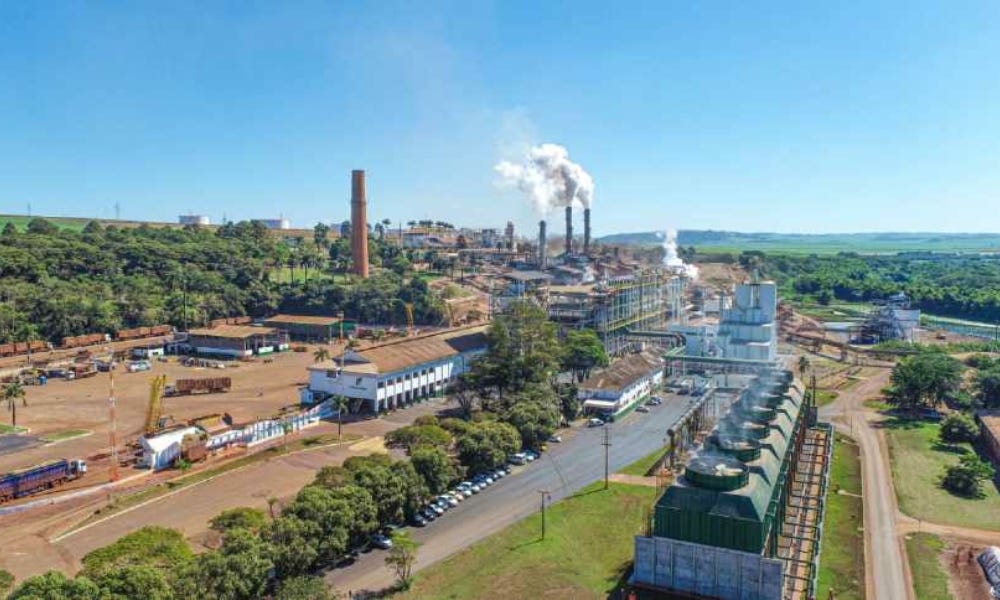
Raízen restructures with asset sales, capital talks, and retail exit – Bioenergy leader Raízen is undergoing a broad restructuring that combines asset divestments with shareholder support and strategic refocusing. The company has announced the sale of several sugar mills to streamline operations, while shareholders Cosan and Shell are in talks to reinforce Raízen’s capital structure. In parallel, Raízen has exited its joint venture with Femsa, selling its stake in the Oxxo convenience store chain to concentrate fully on its core businesses of energy, ethanol, and sugar. Analysts view the moves as a pragmatic effort to strengthen the balance sheet, improve capital allocation, and maintain leadership in low-carbon fuels. read more
Pedra and Ipiranga exit Copersucar – Two major sugar-energy groups, Usina da Pedra and Ipiranga Agroindustrial, will leave Brazil’s largest sugar and ethanol trading cooperative Copersucar, ending their membership by March 2027. Together, the groups account for nearly 8% of Copersucar’s ethanol supply and around 7% of its sugar. Their departure underscores ongoing shifts in the competitive dynamics of Brazil’s sugar-energy sector, as mills weigh the benefits of cooperative participation against independent trading strategies. Analysts say the exit could reshape market share within Copersucar and spark new alliances. read more
Macro & Markets
Brazil’s ag billionaires worth $68B – A new ranking highlights the 39 Brazilian billionaires linked to agribusiness, with combined fortunes of US$68 billion. The list includes leading figures from beef, soy, sugarcane, and pulp sectors, underscoring how agriculture remains a core driver of wealth creation in Brazil. Families tied to Marfrig, JBS, Amaggi, Cosan, and Suzano dominate the ranking. Analysts note that agribusiness fortunes are increasingly tied to global trade cycles, currency swings, and sustainability pressures shaping the sector’s long-term value. read more
Honey redirected after US tariffs – Following steep import tariffs imposed by the US, Brazilian beekeepers are reallocating 11 tons of honey to local school meal programs. The initiative, supported by cooperatives and public agencies, helps offset lost export revenue while boosting nutrition for students. Brazil had been expanding honey exports, but the tariff hike disrupted key markets. Producers hope the school channel can provide a short-term buffer while they seek alternative buyers abroad. read more
Cocoa legacy revival in Bahia – Claudia Calmon de Sá, heir to a historic cocoa dynasty, is leading efforts to reposition Bahia on the global map of high-quality cocoa. After decades of decline caused by pests and low productivity, she is promoting new planting systems, quality standards, and sustainability practices to restore the state’s reputation. Her initiative aims to connect local producers with premium international markets while revitalizing rural economies in southern Bahia. read more
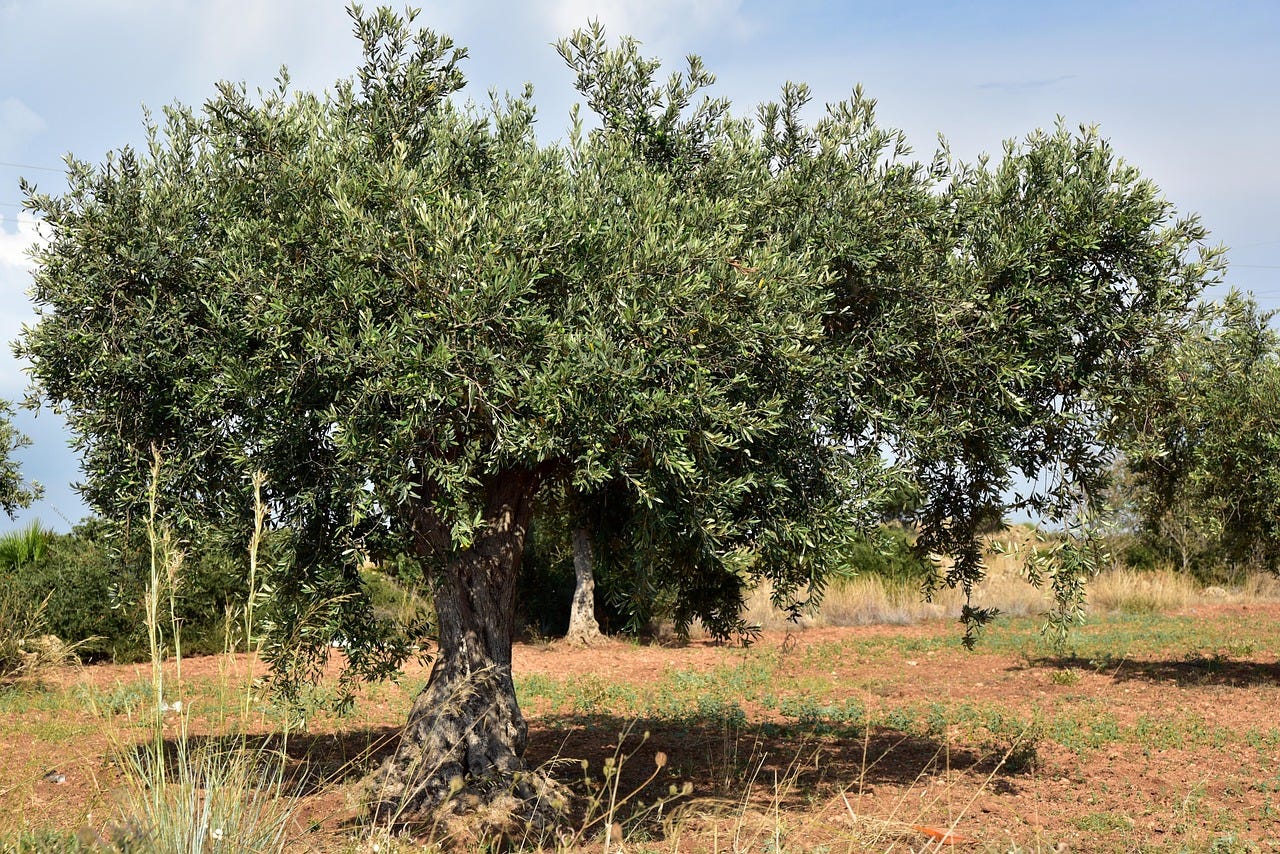
Abandoned olive grove yields award-winning oil – A farming couple in Brazil revitalized an abandoned olive orchard and transformed it into a producer of premium, internationally awarded olive oil. Their success reflects both the growing potential of Brazil’s niche olive sector and the opportunities in restoring underutilized farmland. With careful management, quality focus, and branding, they turned a neglected asset into a profitable venture, showing how small-scale innovation can capture global recognition in specialty markets. read more
That’s all for this week, thanks for reading,
KFG
Kieran Finbar Gartlan is an Irish native with over 30 years of experience living and working in Brazil. He is Managing Partner at The Yield Lab Latam, a leading venture capital firm investing in Agrifood and Climate Tech startups across Latin America.