


Hi, I’m Kieran Gartlan, Managing Partner at The Yield Lab Latam, one of the region’s top AgriFood and Climate Tech VC funds. If you’re curious to learn more about Brazil’s AgTech Revolution, feel free to reach out here, or on LinkedIn. I’m always happy to share what I’m seeing on the ground.
Summary
In AgTech & AI news, Sao Paulo’s APTAHub saw eight startups selected for the Hello Tomorrow Global Challenge, spanning AI, robotics, food tech, energy, biomaterials, and sustainable construction. Embrapa advanced research on Brazilian algae as a natural biostimulant to help crops better withstand drought, with early greenhouse trials in canola and wheat showing promising results.
In Climate Tech developments, Brazil’s corn ethanol industry is projected to add another 7 billion liters of capacity by 2028, while a new study found that agricultural expansion released 1.4 billion tons of soil carbon. Embrapa also launched new low-carbon certification programs for corn and sorghum, and Biopower, a JBS subsidiary, converted 11.3 million liters of used cooking oil into biodiesel in 2025.
On the Funding & M&A front, Innovation Norway highlighted Brazil as a strategic destination for capital and technology deployment, with US$14 billion invested in the country in 2024. Norwegian officials pointed to agriculture, energy, biofuels, fertilizers, and digital solutions as priority areas.
In Macro & Markets, Brazil’s agribusiness sector faced a week shaped by geopolitical risk, trade friction, and supply chain vulnerability. Tensions in the Middle East exposed dependence on key export markets and fertilizer-linked inputs, new soy inspection rules for China triggered a clash between exporters and the government, and diesel shortages disrupted harvest work in Rio Grande do Sul.
Table of Contents
AgTech & AI
Eight APTAHub Startups Reach the Hello Tomorrow Global Challenge
Embrapa Study Backs Brazilian Algae To Fight Drought
Climate Tech
Brazil Corn Ethanol Could Gain 7 Billion Liters by 2028
Brazil’s Farm Expansion Released 1.4 Billion Tons of Soil Carbon
Plan to Install One Million Solar Panels in Brazil’s Semiarid Region
Embrapa Expands Its Low-Carbon Portfolio to Corn and Sorghum
Biopower Turns Used Cooking Oil Into Biodiesel
Funding & M&A
Norway Bets US$14 Billion on Brazil and Its Agro Sector
Macro & Markets
Brazil Agro Depends on the Middle East for Key Products
Brazil Opens New Agro Markets in New Zealand and Turkey
‘Ghost Cattle’ Operation Probes Fraud in Animal Records
New Soy Inspection Rules for China Trigger Clash with Exporters
Iran War Exposes Fragility in Brazil’s Fertilizer Market
Rio Grande do Sul Producers Halt Harvest Over Diesel Shortage
AgTech & AI
Eight APTAHub Startups Reach the Hello Tomorrow Global Challenge - Eight startups from São Paulo’s APTAHub network were selected for the Hello Tomorrow Global Challenge, one of the world’s leading deep tech competitions, standing out among more than 4,800 applicants. Together they accounted for 23.5% of all Brazilian startups chosen. The selected companies span artificial intelligence and computer vision (Pix Force), energy (Mondi Energy), food and protein technology (PROMEAT, Sante Science), robotics and industrial AI (BSV Robotics), industrial biotechnology and new materials (BioLinker, MABE Bio), and sustainable construction (BVS Green). read more
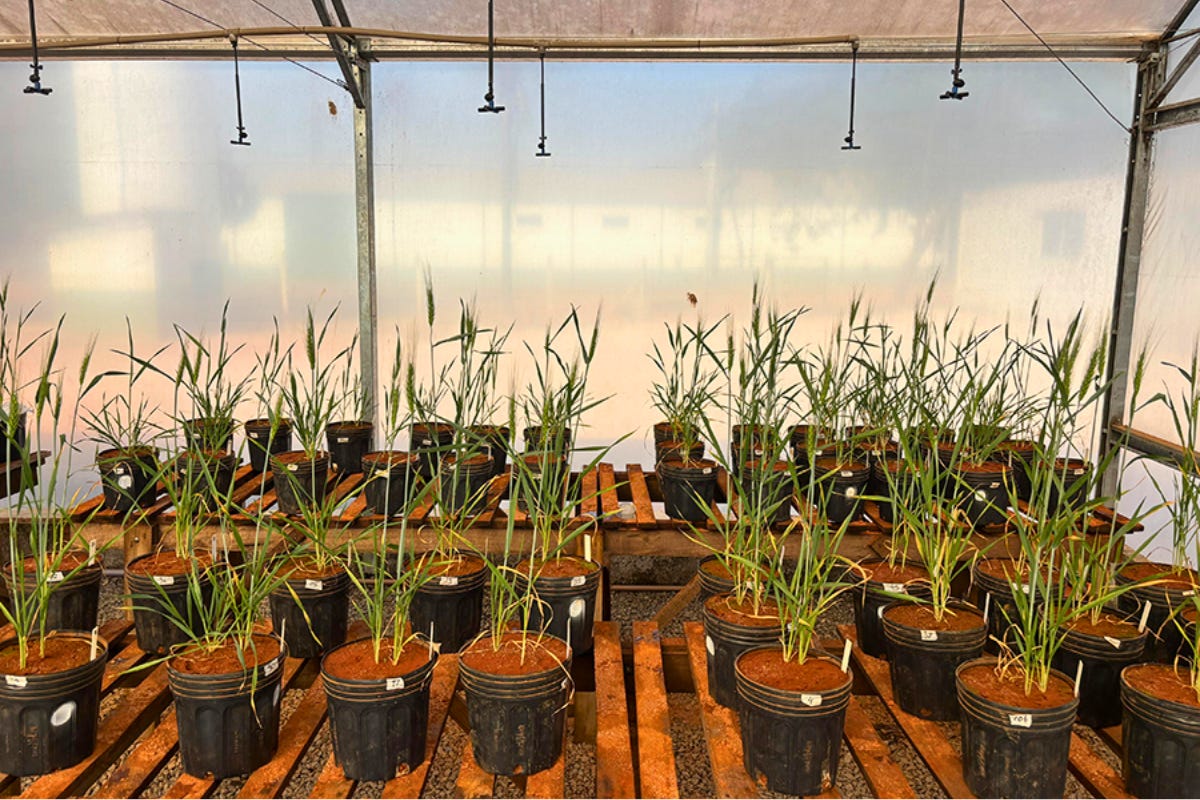
Embrapa Study Backs Brazilian Algae Against Drought - Embrapa researchers are testing Brazilian algae as natural biostimulants to help crops better withstand drought, with early greenhouse trials in canola and wheat in the Cerrado showing strong results. The study, led by Embrapa Agroenergia and Embrapa Meio Ambiente with support from Embrapii and partner CBKK, found gains of up to 160% in silique formation and 12% in root growth. After two years of work on extracting active compounds and developing more stable formulations, the project is now moving toward field validation, where researchers will test dosage, algae blends, and performance under varying rainfall conditions. read more
Climate Tech
Brazil Corn Ethanol Could Gain 7 Billion Liters by 2028 - Brazil’s corn ethanol output is expected to rise by another 7 billion liters by 2028, according to Banco ABC, as roughly 30 authorized projects move through the pipeline and reshape the country’s biofuels mix. The expansion would take corn ethanol well beyond its current role and increase the risk of temporary oversupply, especially as sugarcane ethanol production also rises. In the 2025/26 season, corn ethanol is expected to reach about 10 billion liters, with BTG Pactual projecting 11.7 billion liters in the following cycle. Even so, the model remains attractive, supported by scale, year-round operations, and valuable coproducts such as DDG for animal feed. read more
Brazil’s Farm Expansion Released 1.4 Billion Tons of Soil Carbon - Converting native vegetation into cropland and pasture has caused Brazilian soils to release 1.4 billion tons of stored carbon over recent decades, according to a new study led by Esalq-USP and published in Nature Communications. That is equivalent to 5.2 billion tons of carbon dioxide and reflects losses from the top 30 centimeters of soil alone, not the vegetation above ground. The researchers found monoculture caused the largest average carbon loss at 22.2%, followed by conventional tillage at 21.4%, while integrated farming systems showed the lowest reduction at 8.6%. The study analyzed 272 papers and 4,290 soil samples across Brazil’s six biomes. read more
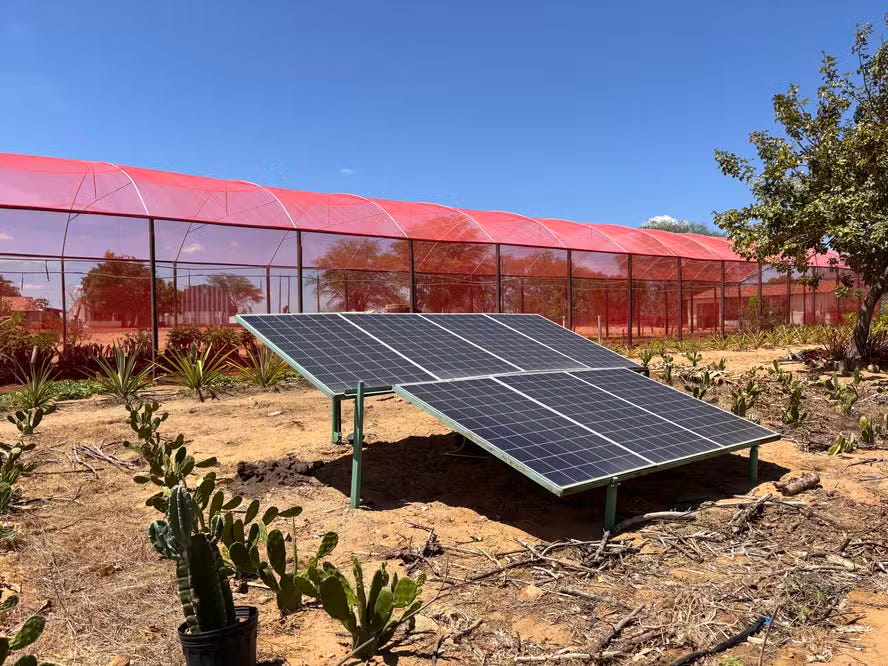
Program to Install One Million Solar Panels Across Brazil’s Semiarid Region - A new program backed by the Banco do Brasil Foundation and led by ASA, the Articulação do Semiárido Brasileiro, aims to install one million solar panels on family farms in Pernambuco, Paraíba, and northern Minas Gerais. Still in pilot phase, the initiative called Um Milhão de Tetos Solares is designed to provide up to 300 kWh per month of solar power to rural households in the semiarid region, where electricity costs can consume more than 10% of family income. Early examples in Paraíba show meaningful savings, with one farmer cutting her monthly bill from about US$430 to about US$69 after expanding solar capacity. read more
Embrapa Expands Its Low-Carbon Portfolio With New Corn and Sorghum Programs - Embrapa has launched new Low-Carbon Corn and Low-Carbon Sorghum programs to certify grain production based on greenhouse gas emissions per ton produced, expanding its portfolio of sustainability-focused product labels. The initiatives will develop and validate technical protocols, then move toward third-party certification under an MRV system for measurement, reporting, and verification. Embrapa says the labels focus on the product rather than the farm and are designed to help Brazilian corn and sorghum compete in markets with stricter sustainability demands. A public call to select supporting institutions is scheduled for August 2026. read more
Biopower Turns Used Cooking Oil Into Biodiesel - JBS subsidiary Biopower converted 11.3 million liters of used cooking oil into biodiesel in 2025, marking its highest annual volume yet and bringing the program’s 10-year total to 50 million liters. The company says the initiative, called Óleo Amigo, has already helped preserve more than 1 trillion liters of water by keeping waste oil out of drains and waterways. Collection is supported by Biopower’s own fleet and a broader network spanning 115 municipalities across five Brazilian states. Beyond waste management, the model shows how circular economy programs can create feedstock for biofuels while reducing urban sanitation and environmental costs. read more
Funding & M&A
Norway Bets US$14 Billion on Brazil and Its Agro Sector - Norway invested US$14 billion in Brazil in 2024, making the country its third-largest investment destination after the European Union and the United States, according to Innovation Norway CEO Håkon Haugli. In an interview with Exame, Haugli said Brazil’s scale makes it an attractive platform for applying agricultural and energy technologies developed in smaller markets. He pointed to opportunities in precision agriculture, fertilizers, biofuels, and digital solutions, while also highlighting stronger cooperation between Norwegian companies and Brazilian agribusiness. Norway’s presence in Brazil spans agribusiness, energy, maritime logistics, and offshore activities, with trade ties also strengthened by the 2025 EFTA-Mercosur agreement. read more

Brazil Agro Depends on the Middle East for Key Products - Brazil’s farm sector is highly exposed to the Middle East across both export demand and key inputs, making the latest regional conflict a potential pressure point for trade, logistics, and farm economics. According to Insper Agro Global, the region accounted for US$12.4 billion of Brazilian agribusiness exports in 2025, including 29% of chicken exports and 31.5% of corn shipments. The risk goes beyond demand. Any disruption to the Strait of Hormuz or Bab el-Mandeb could raise freight and insurance costs, while higher oil and gas prices could push up fertilizer costs. The impact will depend on how long the conflict lasts. read more
Brazil Opens New Agro Markets in New Zealand and Turkey - Brazil has secured new market access in New Zealand and Turkey, extending export opportunities for higher-value agricultural products as the government pushes to diversify trade flows. New Zealand has authorized imports of thermally processed pork and sheep bile from Brazil, while Turkey has opened its market to honey and other apiculture products. The move adds to Brazil’s recent run of trade openings and could support more value-added shipments as well as new channels for animal protein and specialty products. In 2025, Brazil exported about US$107 million in agribusiness products to New Zealand and more than US$3.2 billion to Turkey. read more
‘Ghost Cattle’ Operation Probes Fraud in Animal Records - Prosecutors in Paraná are investigating an alleged scheme involving fake cattle registrations, false animal transit documents, and possible corruption tied to the state’s animal health system. The operation, called Boi Fantasma, carried out search and seizure warrants in Jaguariaíva and Ibaiti and is examining whether cattle that existed only on paper were inserted into official records to enable illegal gains. Investigators say the suspected fraud involved improper registrations requested by a livestock auction company, with evidence also pointing to undue advantages received by a public servant. One person was arrested during the searches for illegal possession of weapons and ammunition. read more
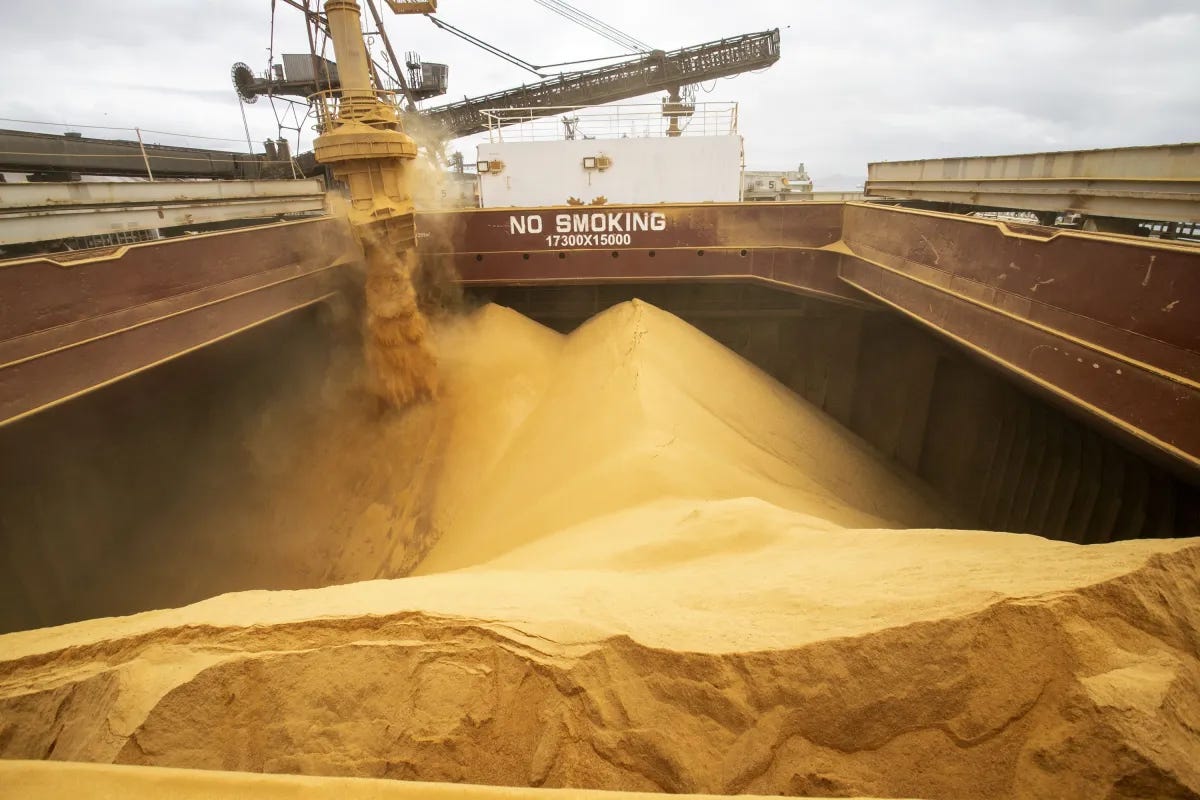
New Soy Inspection Rules for China Trigger Clash Between Brazil’s Government and Exporters - Cargill’s decision to suspend soybean exports from Brazil to China has intensified a dispute over new phytosanitary inspection rules introduced by Brazil’s Agriculture Ministry. The company said the revised inspection methodology has made it harder to obtain the certificates needed for shipments to China, while Agriculture Minister Carlos Fávaro said the tougher controls are required to meet Chinese sanitary standards. The tighter inspection follows recent cases of non-compliance flagged by Chinese authorities, including the presence of quarantine pests and weed seeds in Brazilian cargoes. Industry groups Abiove and Anec are now in talks with the ministry over how soybean sampling and classification should be handled. read more
Iran War Exposes Fragility in Brazil’s Fertilizer Market - Four years after launching its National Fertilizer Plan, Brazil still has not meaningfully reduced its dependence on imported inputs, according to Bernardo Silva, executive director of Sinprifert. The renewed conflict in Iran has brought the issue back into focus by highlighting Brazil’s exposure to imported fertilizers, especially strategic products such as urea. In 2025, Brazil consumed 49 million tons of fertilizers, of which 43 million tons were imported, while domestic production totaled 7 million tons. Silva said the plan has advanced in areas such as tax, regulation, research, and production policy, but argued that stronger high-level political coordination is still needed for the country to cut import dependence over time. read more
Rio Grande do Sul Producers Halt Harvest Over Diesel Shortage - Rice producers in Rio Grande do Sul have suspended harvest operations after reported diesel delivery failures to farms, raising concerns over how quickly a geopolitical shock can disrupt activity on the ground. Farsul said the problem began with supply interruptions to fuel distributors and warned that if deliveries were not restored within days, key rice-growing areas could be hit. The issue is also affecting soy, where harvesting is still at an early stage. Producers reported diesel price increases of up to R$1.50 per liter, or about US$0.26, although Brazil’s oil agency ANP said the state has sufficient stocks and regular supply conditions. read more
That’s all for this week, thanks for reading,
KFG
Kieran Finbar Gartlan is an Irish native with over 30 years of experience living and working in Brazil. He is Managing Partner at The Yield Lab Latam, a leading venture capital firm investing in Agrifood and Climate Tech startups across Latin America.