


Hi, I’m Kieran Gartlan, Managing Partner at The Yield Lab Latam, one of the region’s top AgriFood and Climate Tech VC funds. If you’re curious to learn more about Brazil’s AgTech Revolution, feel free to reach out below, or on LinkedIn. I’m always happy to share what I’m seeing on the ground.
Summary
In AgTech news this week, AI techniques are moving deeper into Brazil’s food chain, from real-time meat quality analysis developed by USP researchers to space farming work led by Embrapa that helped advance food systems for space missions. Premium niche production also stood out, with caviar limes fetching up to $240 per kilo, while Brazil’s elite cattle genetics market hit another milestone as a Brazilian cow reached a valuation of over US$10 million.
In Climate Tech developments, Acelen Renováveis partnered with European startup Finboot to build traceability for macaúba as it targets SAF markets in Europe and the US. Circular economy innovation also featured strongly, with researchers and local producers turning unused fruit and vegetables into edible plant leather, while defective green coffee was repurposed into antioxidant-rich chocolate with potential commercial applications.
On the Funding & M&A front, Solinftec hired Citi to support acquisitions and a possible shareholder reshuffle as it looks to strengthen its AI and data capabilities. Frísia announced a $20 million investment in a new grain hub in Tocantins, while Grupo Trebeschi, Brazil’s largest fresh tomato producer, filed for judicial recovery as it works to restructure a heavy debt load.
In Macro & Markets, tensions in the Middle East pushed Brazilian farmers to accelerate crop protection purchases amid fears of input price volatility. Brazil’s chocolate and trade sectors also saw important moves, with a proposed law to raise cocoa content standards, the planned arrival of Salon du Chocolat in Brazil, and Ethiopia opening its market to 17 Brazilian agricultural products.
Table of Contents
AgTech & AI
AI Technique Evaluates Meat Quality in Real Time
Caviar Limes Sell for Up to $240 per Kilo
Brazil Ag Helped Advance Food Systems for Space Mission Research
Brazilian Cow Becomes World’s Most Expensive at $10.8 Million
Climate Tech
Acelen Partners with Finboot to Trace Macaúba for SAF Markets
Unused Fruit and Veg Turned into Edible Plant Leather
Defective Green Coffee Turned into Antioxidant-Rich Chocolate
Funding & M&A
Solinftec Hires Citi to Pursue M&A and New Shareholders
Frísia Invests $20 Million in New Grain Hub in Tocantins
Brazil’s Largest Fresh Tomato Producer Files for Judicial Recovery
Macro & Markets
Middle East Conflict Speeds Up Crop Protection Purchases in Brazil
Proposed Law Would Require More Cocoa in Chocolate Sold in Brazil
Salon du Chocolat Is Coming to Brazil with €1.5 Million Investment
Brazil Opens Ethiopian Market to 17 Agricultural Products
AgTech & AI
AI Technique Evaluates Meat Quality in Real Time - Researchers at USP’s Center for Nuclear Energy in Agriculture have developed an AI-based method to assess meat freshness in real time using computer vision and machine learning, offering a faster and less costly alternative to traditional lab testing. The system analyzes digital images of beef to detect visual patterns linked to deterioration, with reported accuracy ranging from 93% to 100% depending on configuration. Built on pre-trained neural networks and a feature extraction method known as Radam, the approach is non-destructive and designed for industrial settings such as slaughterhouses. read more
Caviar Limes Sell for Up to $240 per Kilo - Caviar Lime, an Australian citrus fruit also know as finger lime, is gaining attention in Brazil for its high value and distinctive texture, with prices ranging from about $80 to $240 per kilo. Its pulp forms small vesicles that burst in the mouth, making it especially attractive to chefs and restaurants. Researchers say production remains limited, typically reaching only four to six kilos per plant, which helps keep supply tight and prices high. In Brazil, the Agronomic Institute of Campinas has been studying the crop for decades and released the Faustini cultivar in 2023. Despite its premium appeal, experts say it will remain a niche product best suited to small-scale specialty growers. read more
Brazil Ag Helped Advance Food Systems for Space Mission Research - Brazil contributed to NASA’s Artemis program through Space Farming Brazil, an initiative led by Embrapa with support from the Brazilian Space Agency to develop food production technologies for extreme environments. The project draws on Brazil’s agricultural expertise to design systems that could operate on the Moon and, later, Mars. In the first phase, researchers selected sweet potato and chickpea as model crops because of their nutritional value, adaptability and ease of handling. In 2025, chickpea seeds and sweet potato seedlings developed by Embrapa were sent into space aboard Blue Origin’s New Shepard, and the next stage focuses on growing these crops in closed environments suitable for lunar bases or long-duration missions. read more
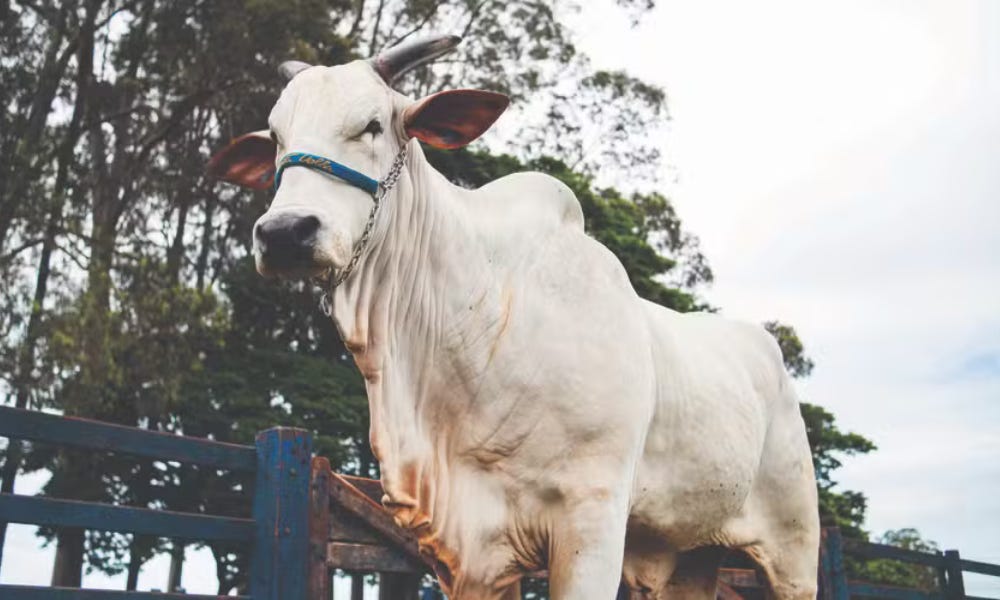
Brazilian Cow Becomes World’s Most Expensive at $10.8 Million - Donna FIV CIAV, a Nelore donor cow based in Uberaba, Minas Gerais, has become the most valuable cow in the world, with a valuation of around $10.8 million. The animal’s genetics drew intense demand after strong performance in the show ring and through its offspring, pushing its value sharply higher in recent years. In Brazil’s elite cattle market, that premium reflects reproductive potential, pedigree, and large-scale embryo and clone production. Donna now lives at Fazenda Mata Velha and has become a symbol of how advanced genetics and breeding scarcity continue to drive record prices in Brazil’s beef cattle sector. read more
Climate Tech
Acelen Partners with European Startup to Trace Macaúba for SAF Markets - Acelen Renováveis, backed by Mubadala Capital, has partnered with European startup Finboot to build a traceability system for macaúba, a native Brazilian palm seen as a promising feedstock for sustainable aviation fuel and renewable diesel. The project begins with monitoring 500 planted hectares in Bahia and could expand to 5,000 hectares in the next phase, with ambitions to support production of 1 billion liters of biofuels. Acelen says robust traceability is essential to access regulated SAF markets in Europe and the US, where compliance, lifecycle emissions tracking and certification standards are becoming stricter. read more
Unused Fruit and Vegetables Turned into Edible Plant Leather - A project led by the Federal Institute of Espírito Santo is helping family farmers turn overripe fruit and vegetables into thin, flexible edible sheets through dehydration. The material can be consumed directly and used in decorative and culinary applications, including flowers, medallions and layered dishes. Over six months, the group tested products including pitaya, Sicilian lemon, guava, passion fruit, tomato and coffee, and trained 10 family farmers to apply the technique on their properties. The initiative aims to reduce food waste, create new products and expand rural income opportunities. read more
Defective Green Coffee Turned into Antioxidant-Rich Chocolate - Researchers at Unicamp and the Food Technology Institute (Ital) have developed a milk chocolate enriched with phenolic compounds extracted from defective green coffee, a by-product usually discarded or sold at low value in the specialty coffee chain. The product contains up to 4.6 times more antioxidants than conventional chocolate, while sensory tests showed strong acceptance even at higher concentrations. The team says the technology is ready for transfer to industry and could reach the market by 2027, creating higher-value uses for coffee waste and new income opportunities for producers. read more

Funding & M&A
Solinftec Hires Citi to Pursue M&A and New Shareholders - Agtech company Solinftec has hired Citi as financial adviser as it explores both acquisitions and a shareholder reshuffle, aiming to buy data-rich startups while creating liquidity for some founding shareholders. The company is targeting assets in areas such as equipment monitoring and weather data to expand the information base used to train its AI systems. Solinftec raised a US$50 million Series D last year and has now secured US$125 million in total funding from investors including YVY Capital, Rise Life-centered Investments, TPG and AgFunder. In 2025, the company posted revenue of about US$90 million and EBITDA above US$20 million, while operating across Brazil, the US and 12 other countries. read more
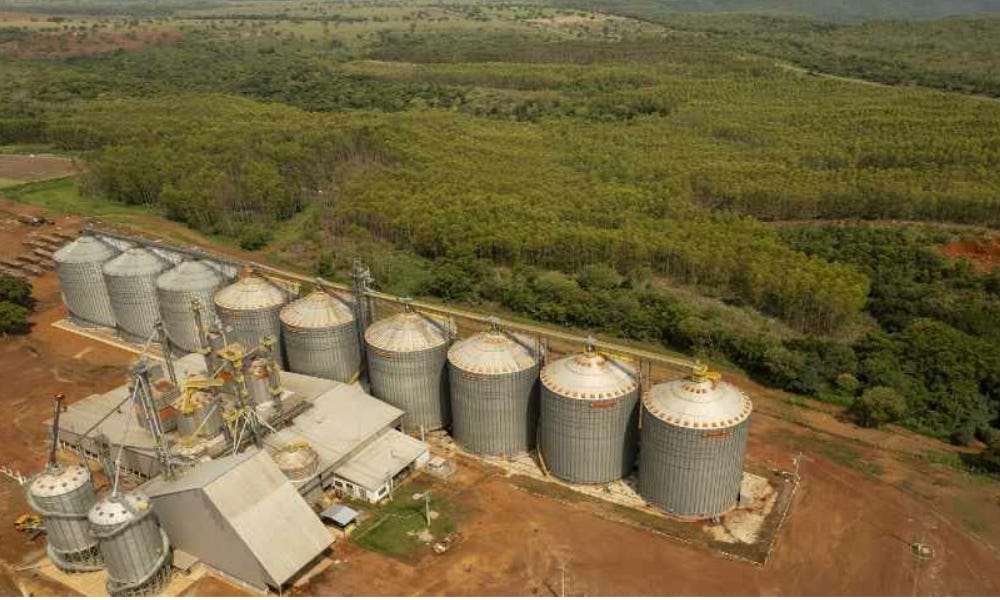
Frísia Invests $20 Million in New Grain Hub in Tocantins - Paraná-based cooperative Frísia is investing about $20 million in a new grain warehouse and logistics hub in Tocantins state, as it looks to move closer to farmers and expand its presence in one of Brazil’s fastest-growing agricultural frontiers. Construction is expected to begin in June and finish in early 2028. The new unit will have grain intake capacity of 600 tons per hour, processing capacity of 240 tons per hour and total storage capacity of 42,000 tons, plus an input warehouse. Tocantins already represents around 45,000 hectares and 10% of Frísia’s revenue, making the state a strategic growth region for the cooperative. read more
Brazil’s Largest Fresh Tomato Producer Files for Judicial Recovery - Grupo Trebeschi, Brazil’s largest producer of fresh tomatoes, has filed for judicial recovery as it seeks to restructure debts of about $125 million, part of a total liability load of roughly $235 million. The filing includes a 180-day suspension of debt collections while the company negotiates with creditors, including major banks and cooperatives. Trebeschi says financial strain began in 2021 after climate-related production losses and was worsened by higher fertilizer prices and elevated interest rates. The company produces more than 75,000 tons annually, operates across six states and says its diversified operations in grains, coffee and vegetables will continue without supply disruption. read more
Macro & Markets
Middle East Conflict Speeds Up Crop Protection Purchases in Brazil - Rising tensions in the Middle East are prompting Brazilian farmers to bring forward purchases of crop protection products as they brace for possible price increases tied to oil, diesel and petrochemical inputs. Reports from companies including Corteva, Ihara and BASF say that demand has picked up in recent weeks, as producers try to lock in supplies before further volatility hits. Industry players say the situation could also open more space for biologicals and locally sourced inputs in the next crop cycle. read more
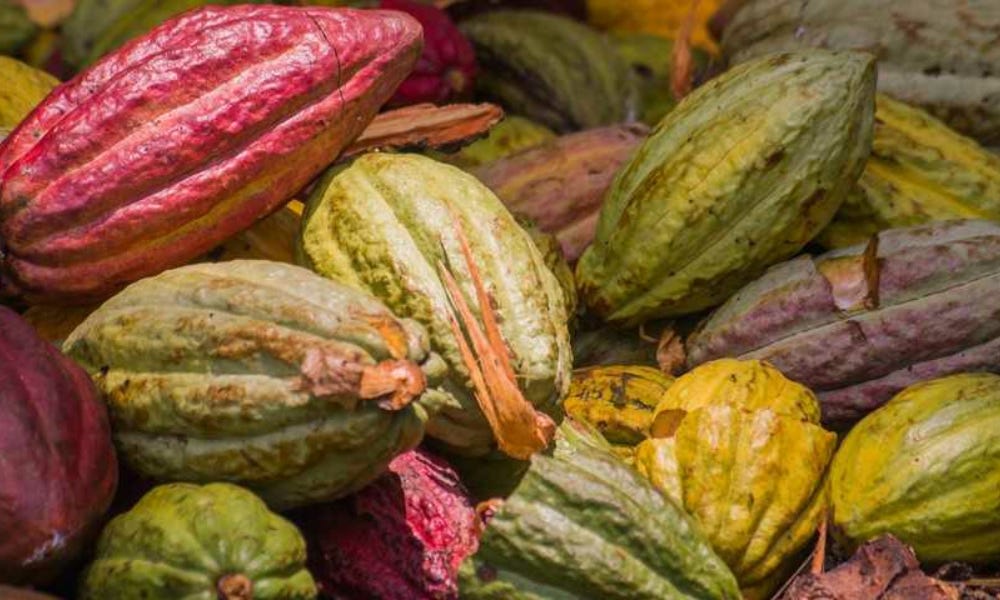
Proposed Law Would Require More Cocoa in Chocolate Sold in Brazil - A bill approved by Brazil’s lower house and now headed to the Senate would raise minimum cocoa content requirements for products sold as chocolate, including new definitions for milk chocolate, powdered chocolate and white chocolate. Under the proposal, standard chocolate would need at least 35% total cocoa solids, up from the current 25%. Industry experts say the practical impact may be limited, since many premium brands already exceed those thresholds and lower-cost products have increasingly shifted toward “chocolate-flavored” formulations instead of chocolate itself. Researchers estimate the change would lift cocoa demand from industry by about 5%, though the effect on prices and farmer sales should remain modest. read more
Salon du Chocolat Is Coming to Brazil with €1.5 Million Investment - Brazilian entrepreneur Marco Lessa is bringing the Salon du Chocolat to Brazil through an investment of €1.5 million, positioning the country more firmly in the global premium chocolate circuit. The event, expected in December 2026, will connect Brazilian cocoa and chocolate producers with international buyers, brands and industry professionals, while helping shift the sector away from a commodity model toward higher-value products and stronger origin branding. Brazil is the only country in the Salon’s global network that produces cocoa, consumes cocoa, makes chocolate and consumes chocolate at scale. read more
Brazil Opens Ethiopian Market to 17 Agricultural Products - Brazil has secured access to Ethiopia for 17 agricultural products, including beef, pork and poultry, in another step to diversify export markets across Africa. The opening gives Brazil access to a market of roughly 130 million people and follows other recent moves on the continent, including new openings in South Africa, Benin, Senegal and Angola. Since 2023, Brazil has been pushing a broader strategy to expand agribusiness trade beyond traditional partners, with Asia and Africa as key targets. Officials say more than 500 market openings had been completed by early 2026, as Brazil seeks to strengthen the global reach of its animal protein sector. read more
That’s all for this week, thanks for reading,
KFG
Kieran Finbar Gartlan is an Irish native with over 30 years of experience living and working in Brazil. He is Managing Partner at The Yield Lab Latam, a leading venture capital firm investing in Agrifood and Climate Tech startups across Latin America.