


Welcome to this week’s Brazil AgTech Report. Curated news from the frontline of Brazil’s Agri-Climate Tech ecosystem
Summary
In AgTech news this week, Blueshift and Intelligent launched a joint venture to apply AI across the agricultural value chain, targeting diagnostics, risk management, and decision support. SmartAgri and Smart Sensing announced a spin-off focused on digitizing greenhouses, while Adobe partnered with Broto to help farmers create marketing content using Adobe Express. In the biofabrication space, Bioleather revealed plans to produce lab-grown leather for luxury goods,
In Climate Tech, Rio Pardo secured $56 million to double its plant-based protein production, and FS resumed its ethanol expansion with a $375 million facility in Mato Grosso. Petrobras added ethanol-to-SAF (sustainable aviation fuel) to its strategic roadmap, aiming to absorb surplus bioethanol and meet future aviation mandates. Meanwhile, JBS announced 13 new circular economy plants to convert waste from its protein operations into biodiesel, collagen, pet food, and fertilizer.
In M&A, Sakata acquired seed producer Agritu to boost its market share in Brazil and expand in Latin America. São Martinho bought a deactivated Raízen ethanol plant for $44 million, in a transaction involving resellers Agromen and Ferrari Agro. NovaAgri took a step outside its grain logistics core by acquiring Crystal Spring Brasil, a pig infrastructure firm, signaling a move toward integrated ag systems.
In Macro & Markets, U.S. tariffs are expected to affect $5.8 billion in Brazilian exports, including sugar, beef, fruit, and fish. The government is preparing a contingency plan while lobbying for exemptions. At the same time, Petrobras pledged to meet 35% of national fertilizer demand within two years, and beef exports are projected to hit a record despite U.S. barriers. The Ferrogrão railway project, which would link Mato Grosso to the export port of Miritituba in Pará, also advanced with a revised route that avoids Indigenous lands and revives hopes for a long-awaited logistics solution.
Table of Contents
AgTech
Blueshift and Intelligent-AI form joint venture
SmartAgri and Smart Sensing launch Phenosync spin-off
Adobe partners with Broto to reach farmers
Moondo develops lab-grown leather for luxury market
Climate Tech
Rio Pardo to invest $56 million in Soy Protein Concentrate plant
Petrobras explores ethanol-based sustainable aviation fuel
FS resumes expansion with $375 million plant
JBS to open 13 circular economy plants
M&A
Group Sakata acquires seed company Agritu
São Martinho buys Raízen ethanol plant
NovaAgri acquires Crystal Spring Brazil
Macro & Markets
US tariffs hit Brazil’s ag exports, government scrambles
Petrobras aims to supply 35% of Brazil’s fertilizer
Brazil beef exports to hit record despite US barriers
Ferrogrão rail project clears major legal hurdle
AgTech
Blueshift and Intelligent-AI form joint venture – Brazilian startups Blueshift, a data and AI solutions company, and Intelligent-AI, a consultancy focused on digital transformation in agribusiness, have launched a new joint venture called Blueshift Agro. The new company will focus on applying artificial intelligence, big data, automation, and IoT to improve efficiency, sustainability, and competitiveness in the agri-food chain. Blueshift Agro aims to serve cooperatives, suppliers, and large farms with custom-built digital tools for field diagnostics, operational insights, and data integration. The joint venture expects to generate up to $5.5 million in annual revenue over the next three to four years, with $3.7 million from core AI solutions and $1.8 million from service expansion. read more
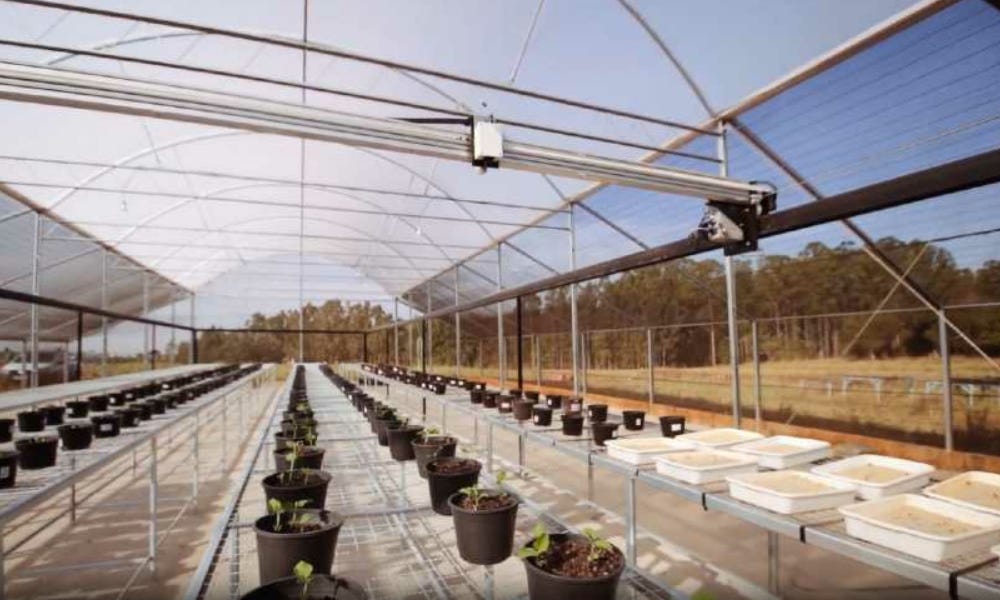
SmartAgri and Smart Sensing launch Phenosync spin-off – Brazilian precision ag startups SmartAgri and Smart Sensing, known for distributing Weed-It technology in Brazil, have created Phenosync, a new spin-off focused on automating greenhouse seedling analysis for seed breeders. The platform uses high-resolution cameras and AI to track germination and development in real time, replacing manual inspections. With an initial investment of $370,000, Phenosync is already operating in São Paulo, Goiás, and Bahia, and is gaining traction in key crops like soy and cotton. The system reduces a full day of seedling evaluation to less than an hour. read more
Adobe partners with Broto to reach farmers – Adobe has teamed up with Broto, the Banco do Brasil ag marketplace that has facilitated over $1.7 billion in transactions and connects more than 300,000 rural producers. The partnership will promote Adobe Express to help farmers create better visual content for marketing, traceability, and online sales. In addition to access to Adobe tools through the Broto platform, users will receive targeted training to improve communication and brand visibility. The move highlights a growing effort by major tech companies to support digital adoption in agriculture through trusted rural networks. read more
Moondo develops lab-grown leather for luxury market – Minas Gerais-based biotech startup Moondo, incubated at UFMG and CEFET-MG, is developing cultivated leather using organic cells grown in the lab. Positioned between synthetic and natural materials, Moondo’s product aims to serve the high-end fashion, furniture, and automotive markets—sectors that demand real leather but are open to alternatives that avoid animal slaughter. The startup’s initial focus is on luxury accessories, and it plans to begin pilot production in the near future. Moondo joins a growing wave of biofabrication ventures looking to create climate-smart materials for premium markets. read more
Climate Tech
Rio Pardo to invest $56 million in Soy Protein Concentrate plant – Soy processor Rio Pardo, which specializes in soy protein concentrate (SPC) for livestock, poultry, and aquaculture feed, is investing $56 million to expand its plant in Sidrolândia, Mato Grosso do Sul. The company’s proprietary method achieves 60% protein concentration in a single pass, reducing energy costs and allowing for premium pricing. With new financing, Rio Pardo plans to double capacity and explore export deals with China and Chile. Despite filing for court protection in late 2023, following cost pressures that included a sharp spike in freight due to the Ukraine war, the company is betting on technology and global demand to fuel its turnaround. read more
Petrobras explores ethanol-based sustainable aviation fuel – Brazilian energy giant Petrobras is evaluating the construction of a new plant to produce sustainable aviation fuel (SAF) using ethanol from sugarcane. The facility would use Alcohol-to-Jet (AtJ) technology and be located next to the Paulínia refinery (Replan), with a projected capacity equivalent to 10,000 barrels of oil per day. The initiative is part of Petrobras’s $1.5 billion investment plan for 2025–2030 to support the production of low-carbon fuels. The move could strengthen Brazil’s SAF value chain, absorb surplus ethanol, and reduce dependence on fossil kerosene. read more
FS resumes expansion with $375 million plant – Brazilian bioenergy company FS is investing $375 million in a new corn ethanol plant in Mato Grosso. The unit will have capacity for 540 million liters of ethanol and 350,000 tons of DDG per year and is expected to begin operations by 2027. FS, a pioneer in the production of corn based ethanol in Brazil, had paused its expansion last year amid policy uncertainty, but with recent signals from Brasília supporting biofuels, including the move to raise the ethanol blend in gasoline to 30%, it has resumed long-term growth plans. read more
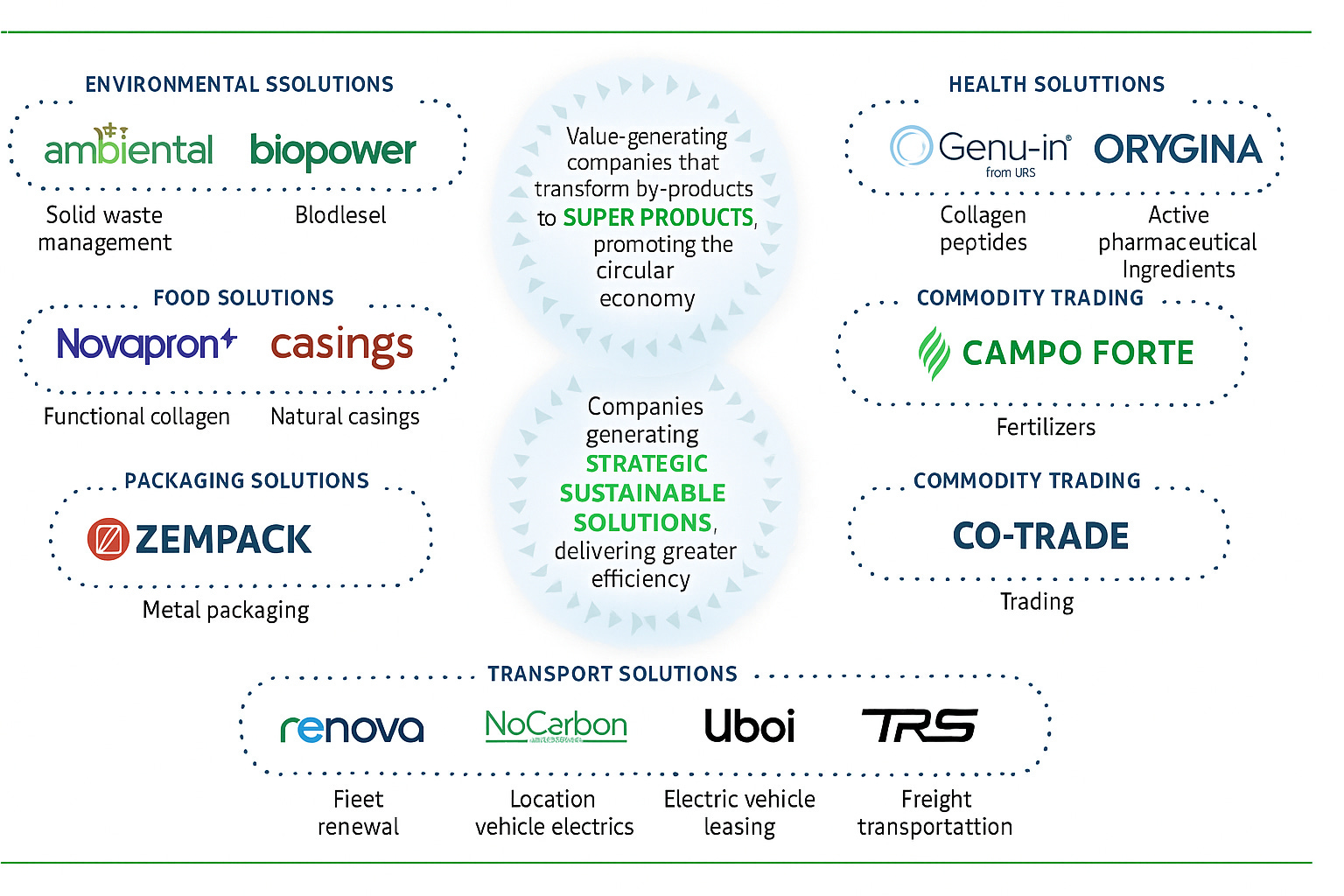
JBS turns waste into fuel and water savings – Through its Biopower unit, JBS produces 550 million liters of biodiesel per year from beef tallow and used cooking oil, avoiding 910,000 tons of CO₂ emissions annually. The company says it repurposes 99% of each animal it processes, generating almost no waste. Its used oil collection program has gathered 36 million liters across 90+ municipalities, preventing contamination of 900 billion liters of water—enough to supply São Paulo for nearly two years. Biodiesel is one of 13 businesses created under JBS’s growing circular economy platform. read more
M&A
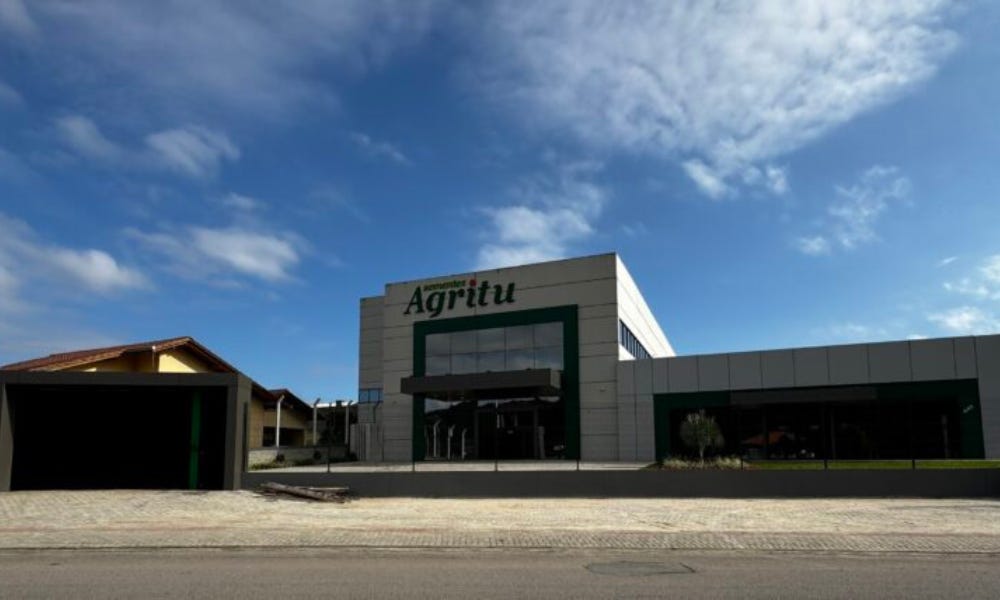
Group Sakata acquires seed company Agritu – Japanese-Brazilian group Sakata has acquired Agritu Sementes, a seed producer based in Paraná. The acquisition strengthens Sakata’s position in Brazil’s vegetable and grain seed markets and is part of a broader strategy to expand in Latin America. The move also reflects increasing consolidation across the input supply chain, as companies seek greater control over genetics and distribution channels. read more
São Martinho buys Raízen sugarcane assets for US$44 million – Sugar and ethanol group São Martinho has agreed to purchase 10,600 hectares of sugarcane-producing land near its Pradópolis mill from Raízen for up to US$44 million. The deal includes biological assets and land-use rights tied to the Santa Elisa unit, which Raízen plans to shut down as part of a broader asset divestment strategy. The acquired areas are expected to yield up to 800,000 tons of cane annually by 2028/29. The transaction is part of Raízen’s larger US$190 million sale of up to 3.6 million tons of cane to buyers including Alta Mogiana, Bazan, Batatais, Pitangueiras, and Viralcool. read more
NovaAgri acquires Crystal Spring Brazil – Brazilian grain logistics firm NovaAgri has acquired Crystal Spring Brasil, the local subsidiary of a Canadian pig farming equipment company. The deal, advised by law firm Demarest, reflects NovaAgri’s broader strategy to diversify its agricultural footprint beyond grain handling. With this acquisition, NovaAgri moves into animal infrastructure and positions itself closer to integrated farm solutions. read more
Macro & Markets
US tariffs hit Brazil’s ag exports, government scrambles – The US tariff package announced by the Trump administration is expected to impact up to $5.8 billion in Brazilian ag exports, including beef, fruit, fish, sugar, and pulp. Industry groups warn that organic sugar exports may become unviable, while the fruit and fish sectors are already requesting emergency credit lines. Finance Minister Haddad said the government is preparing a contingency plan to support affected producers while pushing for continued negotiations with US authorities. read more
Petrobras aims to supply 35% of Brazil’s fertilizer – Brazil’s Minister of Agriculture has stated that Petrobras could supply 35% of the country’s fertilizer demand within two years. The company is restarting or repurposing dormant nitrogen fertilizer plants as part of a broader push for input security and reduced import dependence. Fertilizer accounts for a large share of Brazil’s agricultural costs and is a key target for industrial policy. read more
Brazil beef exports to hit record despite US barriers – Analysts expect Brazil to set a new record for beef exports in 2025, even as new US tariffs weigh on shipments to North America. Diversification into Asia and the Middle East, along with strong demand from China, has helped offset the potential damage. The sector also benefited from higher prices and continued productivity gains in large-scale ranching. read more
Ferrogrão rail project clears major legal hurdle – Brazil’s long-delayed Ferrogrão railway project took a step forward this week, as the federal government finalized a new route that avoids Indigenous territories. The freight corridor, stretching 933 kilometers, would link grain-producing Mato Grosso with the northern export port of Miritituba in Para state. Work is expected to start this year and be completed by 2034, easing logistics bottlenecks, reducing emissions, and lower transport costs for soy and corn exporters from Mato Grosso. read more

That’s all for this week, thanks for reading,
KFG
Kieran Finbar Gartlan is an Irish native with over 30 years of experience living and working in Brazil. He is Managing Partner at The Yield Lab Latam, a leading venture capital firm investing in Agrifood and Climate Tech startups across Latin America.
🧠 New! Paid subscribers now get access to “My Take” — a brief commentary tying together this week’s key trends, offering insight and perspective on what it all means for Brazil’s ag and climate tech opportunity.
Insight & Analysis
Brazil’s bioeconomy isn’t new, but it’s now entering a more valuable and tech-driven phase. It began in earnest with the sugarcane ethanol boom of the 1970s, and even earlier with the country’s massive hydroelectric buildout. Since then, it has grown to include biodiesel, wind, and solar, alongside a surge in biological ag inputs. In most cases Brazil was just taking advantage of its natural resources like all year round sunlight, abundance of water, biodiversity, land and labor. What’s changing now is the coordination between policy, investment, and technology innovation to push this ecosystem to the next level.
Biological inputs are one clear example. After years on the periphery, they’re now central to crop strategy and supply chain resilience. But the real shift may be in how sectors view waste. The circular economy is moving from fringe to mainstream. A national policy approved this year aims to scale sustainable solutions with measurable impact, backed by regulatory tools and investment programs . The legislation includes goals for reverse logistics, waste recovery, and incentives for new biobased products.
The beef sector has quietly led this transformation. Out of necessity, it began extracting value from what was once discarded tallow, hides, bone meal, used cooking oil and turned them into new businesses. JBS now produces over half a billion liters of biodiesel annually and has launched 13 circular ventures spanning everything from fertilizer to pharmaceutical ingredients. This practical approach has set a benchmark for other, more waste-intensive sectors.
Whether driven by compliance or competitiveness, the trend is clear: waste is being recast as raw material. If there’s one trend to watch, it’s how more industries start to view waste as a resource.
Meanwhile, M&A activity picked up in the first half of the year, with a clear signal that confidence is returning to the sector. Companies are looking for faster ways to adapt, and acquisitions offer a more direct path than building new capabilities from scratch. This could mark the beginning of a new phase for agtech, where strategic buyers play a bigger role in scaling innovation.