


Welcome to this week’s Brazil AgTech Report. Curated news from the frontline of Brazil’s Agri-Climate Tech ecosystem
Summary
In this week's AgTech news, Agscore launched a fully Brazilian predictive AI platform offering farm forecasts up to a year ahead with over 90% accuracy. At AgroLeite 2025, a Holstein cow nearly hit 100 kg/day of milk, while Roraima emerged as a frontier ranching model with drones and precision genetics. Tractor maker Mahindra confirmed a US$18 million plant in Rio Grande do Sul to triple its local production.
In Climate Tech, an Embrapa-Bayer study showed laser tools can measure soil carbon and revealed 50% gains on farms with sustainable practices. Allterra expanded its regenerative portfolio with new products for pastures, Klabin secured US$240 million more for forestry assets, and Natter scaled a circular model linking cattle, tilapia, and biofertilizers. Energy projects advanced as Necta mapped biomethane supply from 135 sugarcane mills and Petrobras announced its first BioQav and renewable diesel plant in São Paulo.
In Macro & Markets, Cade suspended the Soy Moratorium, citing competition concerns and opening a probe into major grain traders. Analysts highlighted Brazil’s beef as the cheapest in the world, with Indonesia as a new export market. And in coffee, Nespresso is boosting demand for regenerative beans, with 97% of its 900 Brazilian suppliers already under its AAA program and a target of 95% regenerative sourcing by 2030.
Table of Contents
AgTech
Agscore launches predictive AI for Brazilian farming
Super cow produces nearly 100 kg of milk per day
Roraima’s livestock frontier embraces innovation
Mahindra to build new factory in Rio Grande do Sul
Climate Tech
Laser technology confirms carbon gains in sustainable farms
Allterra expands regenerative agriculture strategy
Klabin secures BTG investment for Plateau forestry project
Natter bets on circular economy to scale regenerative ag
Necta maps cane biogas expansion
Petrobras launches first BioQav and renewable diesel plant in São Paulo
Macro & Markets
Cade suspends Soy Moratorium, opens probe on signatories
Brazilian beef is the cheapest in the world
Nespresso demand boosts specialty coffee opportunities
AgTech
Agscore launches predictive AI for Brazilian farming – Agscore has debuted a 100% Brazilian predictive AI platform offering farm productivity forecasts up to one year in advance, with accuracy above 90%. The system processes over 100,000 audited field data points and integrates genotype, soil, climate, and management practices to deliver plot-level insights. Farmers and consultants can use the tool to choose seeds, plan investments, analyze credit risks, and simulate yield impacts. Already validated with universities and researchers, Agscore aims to expand to new crops and regions, providing tailored scenarios for soy, corn, and beyond. read more
Cow produces nearly 100 kg of milk per day and wins tournament – At AgroLeite 2025 in Castro (PR), a Holstein cow named Arm Ada Pursuit 897, owned by producer Armando Rabbers, set a standout mark by producing an average of 99.9 kg of milk per day, winning the adult category of the Torneio Leiteiro. Another cow from his Fazenda Genética Arm secured second place with 96.7 kg/day. Rabbers credits the success to a mix of genetics, nutrition, and animal welfare, supported by a specialized technical team. The farm’s preparation included dietary adjustments, increased feeding frequency, and stress reduction, highlighting how management innovations can boost dairy productivity. read more
Roraima’s livestock frontier embraces innovation – Once a marginal production area, Roraima state has become a showcase for modern ranching, growing its herd from 800,000 to over 1.2 million head in the past decade. Local ranchers are adopting advanced genetics, precision management, and drone technology for pasture seeding, improving efficiency and sustainability. Drones ensure accurate sowing, reduce labor costs, and yield higher-quality pastures, while confinement systems and grain production support integrated operations. The focus on Angus genetics and sustainable practices is turning Roraima into a model for frontier livestock development in Brazil’s North. read more
Mahindra to build new factory in Rio Grande do Sul – Indian tractor manufacturer Mahindra has signed a deal with the municipality of Dois Irmãos (RS) to construct a new plant, with works starting in September after environmental licensing. The project will require up to US$18 million over five years and aims to triple the company’s local capacity from 3,000 to 9,000 tractors annually. The facility, located along BR-116, will expand 38,568 m² with potential for future growth. Jobs are expected to rise from 100 to 300. The investment reinforces Mahindra’s commitment to Brazilian agriculture and regional development. read more

Climate Tech
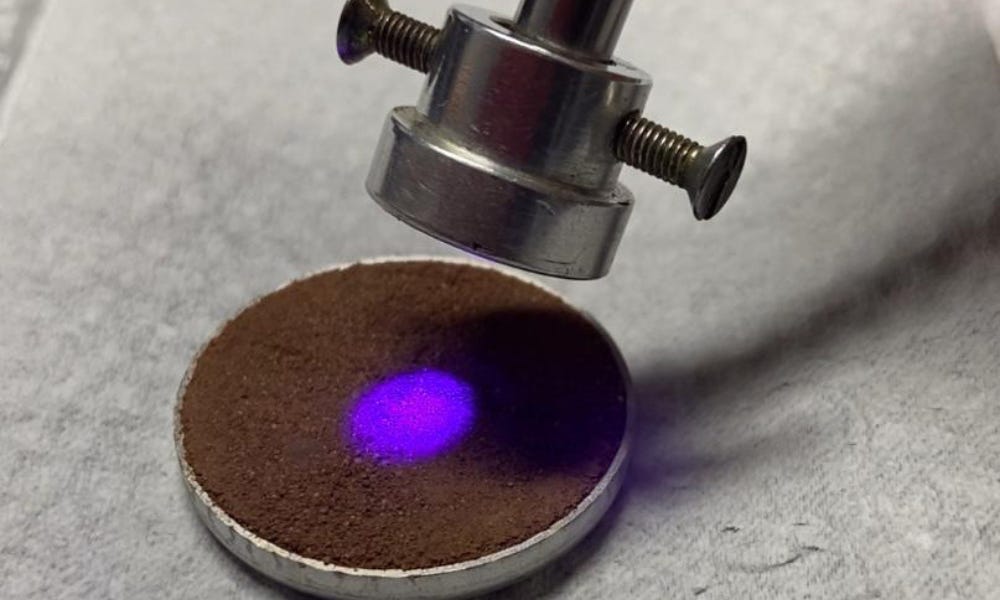
Laser technology confirms carbon gains in sustainable farms – A new study by Embrapa Instrumentação and Bayer shows that laser-based techniques can accurately measure soil carbon and reveal gains of up to 50% in farms using sustainable practices such as no-till. Conducted across 11 commercial farms in the Cerrado, Atlantic Forest and Pampa, the research demonstrated how carbon stocks rise with better soil management, boosting fertility, productivity, and resilience to climate change. The findings strengthen the case for Brazil’s carbon credit market, with LIBS laser tools already being adopted commercially by startups like Agrorobótica. read more
Allterra expands regenerative agriculture strategy – Allterra, the Patria Investimentos holding that combines TMF (specialty fertilizers) and Microgeo (biologicals), grew over 15% in H1 2025 and is now launching new initiatives to strengthen its role in regenerative agriculture. Plans include a proprietary brand of forage seeds, an innovative product for pasture recovery, and expansion into livestock-focused bioinputs. The company is also investing in R&D and factory expansions while unifying customer access to promote integrated soil health solutions. With growth opportunities in the Cerrado and Matopiba, Allterra aims to lead Brazil’s regenerative agriculture market. read more
Klabin secures new BTG investment for Plateau forestry project – Klabin announced an additional US$240 million in financing from BTG Pactual Timberland Investment Group and Canada’s British Columbia Investment Management Corporation for its Plateau forestry assets project. With this, total investment reaches about US$540 million. The Plateau project, launched in 2024, manages surplus forest assets in São Paulo, Paraná, and Santa Catarina through special purpose entities (SPEs). It covers 23,000 hectares of planted forests and 4,000 hectares of productive land. The new funding will be executed by year-end, reinforcing Klabin’s forestry expansion and asset monetization strategy. read more
Natter bets on circular economy to scale regenerative ag – Led by Rafael Bortoli, Natter is building a diversified model that integrates grains, cattle, tilapia, and biofertilizers, transforming waste into organic inputs that raise productivity and cut chemical costs. With revenues of US$70 million in 2024 and a target of US$200 million within three years, growth is driven by efficiency and regenerative practices rather than land expansion. Bortoli, part of the Maggi-Scheffer family legacy, positions Natter as a next-generation agribusiness focused on innovation and sustainability in Mato Grosso. read more
Necta maps cane biogas expansion – Energy distributor Necta is planning to tap into up to 135 sugarcane mills across São Paulo to replace natural gas with biomethane, betting on what CEO José Eduardo Moreira calls a “unique global concentration” of supply. The company estimates a potential of 6 million m³/day, equivalent to 43% of the state’s gas demand. Early projects with mills like Cocal and São Martinho are already underway, with Ribeirão Preto set to become the first “100% green” city supplied by cane-based biomethane. read more
Petrobras launches first BioQav and renewable diesel plant in São Paulo – Petrobras has begun contracting for its first dedicated plant to produce renewable jet fuel (BioQav) and renewable diesel at the Presidente Bernardes refinery in Cubatão, São Paulo. The project will process around 950,000 tons of soybean oil, animal fat, and other feedstocks annually, with a production capacity of up to 16,000 barrels per day. Construction is expected to start in late 2026, creating 3,000 jobs. The initiative aligns with Brazil’s push for low-carbon fuels and sustainable energy.
read more
Macro & Markets
Cade suspends Soy Moratorium, opens probe on signatories – Brazil’s antitrust regulator Cade has ordered the suspension of the two-decade-old Soy Moratorium, which barred traders from buying soy grown on Amazon land deforested after July 2008. The agency cited potential violations of competition law and launched an investigation into participating companies, including major traders like ADM, Bunge, Cargill, Louis Dreyfus, and Cofco. Environmental groups criticized the move as a setback for forest protection, while producer groups hailed it as the end of unfair restrictions. Companies have 10 days to comply, pending appeals and further legal measures. read more
Brazilian beef is the cheapest in the world – Wholesale prices make beef more affordable in Brazil than in the U.S. or China, with a minimum wage buying 19kg locally compared to 15kg in the U.S. and 12kg in China. Brazilians consume 54% more beef than Americans for the same wage. Exports remain lucrative—China pays nearly 50% more for forequarter cuts than Brazil’s domestic price. With Indonesia opening its market, demand is set to expand. Experts note that productivity gains and pasture recovery—not deforestation—can meet rising consumption. read more
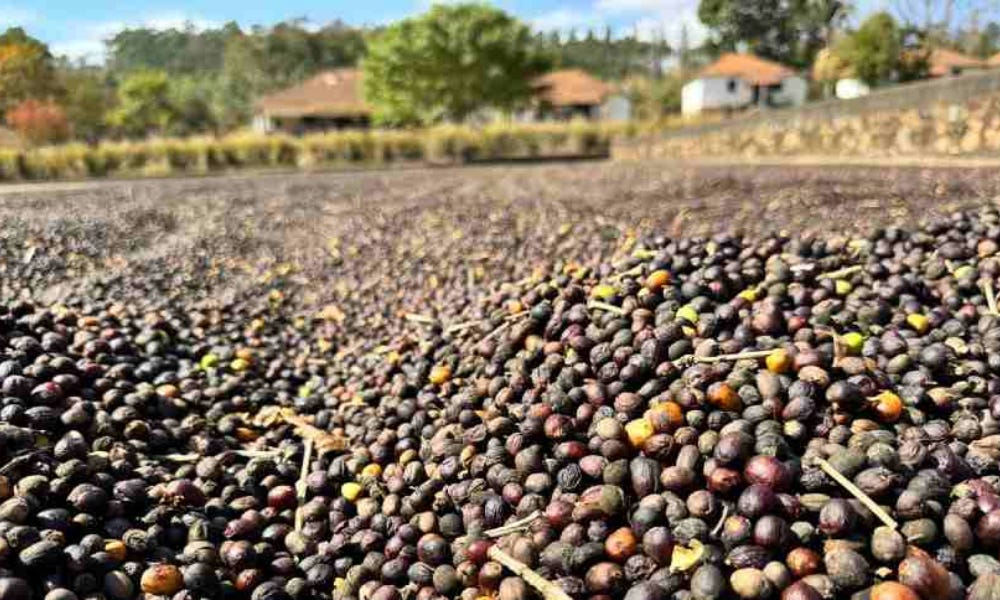
Nespresso demand boosts specialty coffee opportunities – Nespresso is expanding its product line and pushing for more regenerative coffee sourcing, driving higher demand for specialty coffee in Brazil. At Fazenda Cachoeira da Grama in Poços de Caldas (MG), one of the company’s oldest suppliers, producers highlight how technology and agronomic support help maintain quality while adapting to climate challenges. Today, 97% of Nespresso’s 900 Brazilian suppliers are part of its AAA Sustainable Quality Program, with targets to reach 95% regenerative coffee by 2030. Investments in biochar, cover crops, and digital tools are enabling farmers to scale production sustainably and tap premium markets. read more
That’s all for this week, thanks for reading,
KFG
Kieran Finbar Gartlan is an Irish native with over 30 years of experience living and working in Brazil. He is Managing Partner at The Yield Lab Latam, a leading venture capital firm investing in Agrifood and Climate Tech startups across Latin America.