


Hi, I’m Kieran Gartlan, Managing Partner at The Yield Lab Latam, ranked number two in the world for AgTech investments last year by AgFunder. If you’re interested in learning more about Brazil’s AgTech opportunity, feel free to message me below.
This week’s Brazil AgTech Report sees Justoken bringing tokenized agro and energy derivatives outside traditional exchange infrastructure, drone use expanding quickly in the field, Phibro pushing custom vaccines to reduce antibiotic use, and ClickHouse bringing real-time AI database technology to Brazil.
In Climate Tech, Nestlé expands regenerative coffee sourcing, Petrobras, Bunge and Vibra certify deforestation-free soy to supply aviation fuel, Brazilian corn ethanol gets a low carbon score from the International Maritime Organization, and Mato Grosso eases its timeline for phasing out native biomass.
Funding and M&A sees Möbius buying its first farm through a Fiagro, Imaflora planning a cattle traceability Fiagro in Pará, FS announcing a new corn ethanol plant in Mato Grosso, Daabon beginning operations after acquiring Agropalma, and BTG increasing its exposure to Eucatex preferred shares.
Macro and markets focuses on land, logistics and infrastructure. SLC Agrícola’s farmland portfolio slows as the land market cools, Bom Futuro offers to buy Radar farmland, and the USDA warns that logistics bottlenecks could become the main limit to Brazilian agribusiness growth.
Table of Contents
AgTech
Justoken Looks to Tokenize Agro and Energy Derivatives
Drone Use in Brazilian Agriculture Jumps Tenfold
Phibro Expands Custom Vaccines to Reduce Antibiotic Use
ClickHouse Brings AI Database Platform to Brazil
Climate Tech
Nestlé Expands Regenerative Coffee Sourcing in Brazil
Certified Deforestation-Free Soy to Supply Aviation Fuel
IMO Sets Low Carbon Score for Brazilian Corn Ethanol
Mato Grosso Eases Timeline for Native Biomass Phaseout
Funding & M&A
Möbius Buys First Farm Through Fiagro as Agro AUM Nears $200M
Imaflora Plans Fiagro to Support Cattle Traceability in Pará
FS Announces $400M Corn Ethanol Plant in Mato Grosso
Daabon Begins Brazil Operations After Agropalma Acquisition
BTG Increases Exposure to Eucatex Preferred Shares
Macro & Markets
SLC Farmland Portfolio Slows as Land Market Cools
Bom Futuro Offers $370M for Radar Farmland
USDA Says Brazil Ag Logistics Bottlenecks Cost $14B
AgTech
Justoken Looks to Tokenize Agro and Energy Derivatives - Justoken and Vox Capital say tokenization could move more agro and energy derivatives into private markets outside traditional exchange infrastructure. Justoken, which began with tokenized soy, corn and wheat assets, is expanding into renewables, thermal energy, gas and oil, arguing that digital assets can simplify credit, traceability and trading of physical assets that are hard to commercialize or use as collateral. The company also sees barter, which represents around 40% of Brazilian agribusiness transactions, as a major opportunity for digitization. Read more
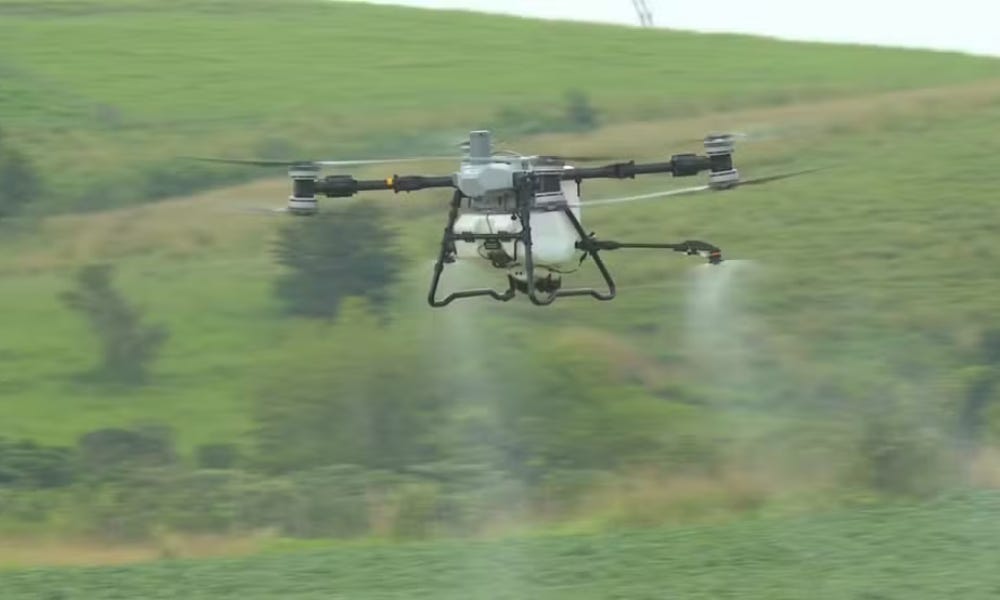
Drone Use in Brazilian Agriculture Jumps Tenfold - Drone use in Brazilian agriculture jumped from 3,000 to 25,000 units between 2021 and 2024, driven by lower input use, better field coverage and reduced crop losses. Embrapa says drones can help avoid crop crushing from tractors, saving up to 7% in soybeans and 4% in rice. The technology is also being used in soil quality research, while operators must follow rules from Mapa, Decea and other agencies covering spraying, training, registration and airspace access. Read more
Phibro Expands Custom Vaccines to Reduce Antibiotic Use - Phibro Saúde Animal is expanding its focus on alternatives to antimicrobials, including autogenous vaccines tailored to the specific pathogens found on each farm. The company says revenue from these customized vaccines nearly tripled last year, mainly in fish and swine, while its broader monogastrics business grew 13% in 2025. The strategy reflects rising pressure to reduce antibiotic use in animal protein supply chains and a shift toward more preventive tools, including vaccines, nutritional additives and immunomodulators. Read more
ClickHouse Brings AI Database Platform to Brazil - ClickHouse, a deeptech company valued at more than $15 billion, is entering Brazil with a focus on banks, fintechs and financial institutions that need to process large volumes of data in real time. Its analytics database platform supports AI-driven use cases such as credit, antifraud, risk management and transaction monitoring, processing billions of records in seconds. ClickHouse says AI agents can replace parts of traditional BI workflows, moving companies from static dashboards to continuous decision-making. The company operates in 24 countries and counts Meta, Netflix, Nvidia, Microsoft and Anthropic among its clients. Read more
Climate Tech
Nestlé Expands Regenerative Coffee Sourcing in Brazil - Nestlé says 53% of the green coffee bought for Nescafé now comes from farms adopting regenerative agriculture practices, up from 32% in 2024. Its Nescafé Plan reached 100,000 farmers in 15 countries last year, including more than 3,800 farms in Brazil, with practices such as pruning, agroforestry, cover crops, biological inputs and intercropping. The company aims to source all raw material from certified suppliers by 2030 and cut industrial emissions by 50% versus 2018. Read more
Certified Deforestation-Free Soy to Supply Aviation Fuel - Petrobras, Bunge and Vibra have certified the first global batch of sustainable aviation fuel made with soy grown in areas without recent deforestation. The pilot will supply 4 million liters of co-processed aviation kerosene at Rio’s Galeão airport, with 1% from certified soy oil crushed by Bunge in Rondonópolis. The certification shows emissions 70% below fossil kerosene, versus only 30% under default data, and Petrobras says refinery certifications could allow it to meet Brazil’s SAF demand by 2029. Read more
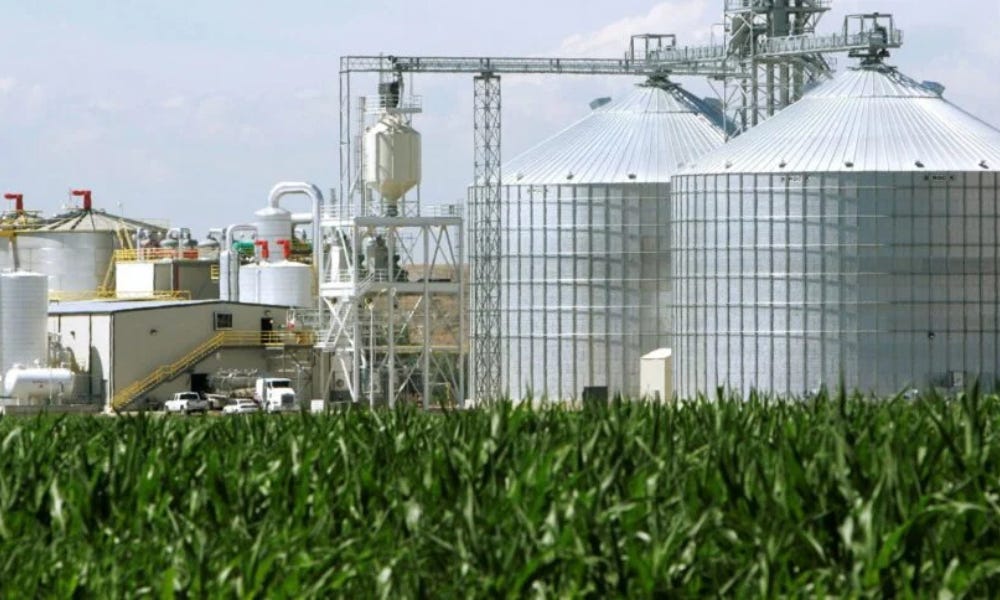
IMO Sets Low Carbon Score for Brazilian Corn Ethanol - The International Maritime Organization has set the default carbon intensity of Brazilian corn ethanol at 20.8 grams of CO2e per megajoule, far below the current maritime fuel average of 93.3 grams. Industry executives say the decision could help position Brazil’s second-crop corn ethanol as a future low-carbon fuel for shipping. Production has expanded sharply, nearing 10 billion liters in 2025/26, up from 2.65 billion at the start of the decade, with producers also investing in biomass and carbon capture. Read more
Mato Grosso Eases Timeline for Native Biomass Phaseout - Mato Grosso has eased the timetable for phasing out native biomass in large industrial users, including corn ethanol plants. A revised environmental agreement allows up to 40% native biomass use until 2034, with zero use required from 2035, replacing an earlier phase-down that would have started in 2031. The change follows industry pushback over feasibility, but keeps pressure on ethanol producers to expand planted forests, with demand expected to require forest area to grow from about 200,000 to 700,000 hectares by 2040. Read more
Funding & M&A
Möbius Buys First Farm Through Fiagro as Agro AUM Nears $200M - Möbius Capital has made its first direct farmland acquisition, buying a 5,500-hectare property in Mato Grosso through a new Fiagro structure. The manager, founded by former Credit Suisse executives, is nearing $200 million in AUM, with about 40% already tied to agribusiness. The strategy is to buy underdeveloped or degraded land, invest in infrastructure and sell after two or three years, using proprietary software to screen farms across land, environmental, logistics, climate and geomorphological factors. Read more
Imaflora Plans Fiagro to Support Cattle Traceability in Pará - Imaflora is planning a Fiagro to support cattle tagging in Pará, aiming to raise between $2 million and $10 million to finance inputs at better rates for producers who join the state’s traceability program. The idea is to use rural retailers and distributors as intermediaries, making compliance more attractive for small and mid-sized ranchers. The fund would link environmental conditions directly to credit, supporting Pará’s goal of identifying its entire cattle herd by 2030 and expanding certified, deforestation-free beef supply. Read more
FS Announces $400M Corn Ethanol Plant in Mato Grosso - FS will invest about $400 million to build its fifth corn ethanol plant, in Querência, Mato Grosso, with operations expected to begin in July 2027. The new unit will be able to process 1.3 million tons of corn and produce 580 million liters of ethanol per year. The announcement follows a recent $100 million credit line for another FS plant in Campo Novo do Parecis, reinforcing the company’s expansion in Brazil’s fast-growing second-crop corn ethanol industry. Read more
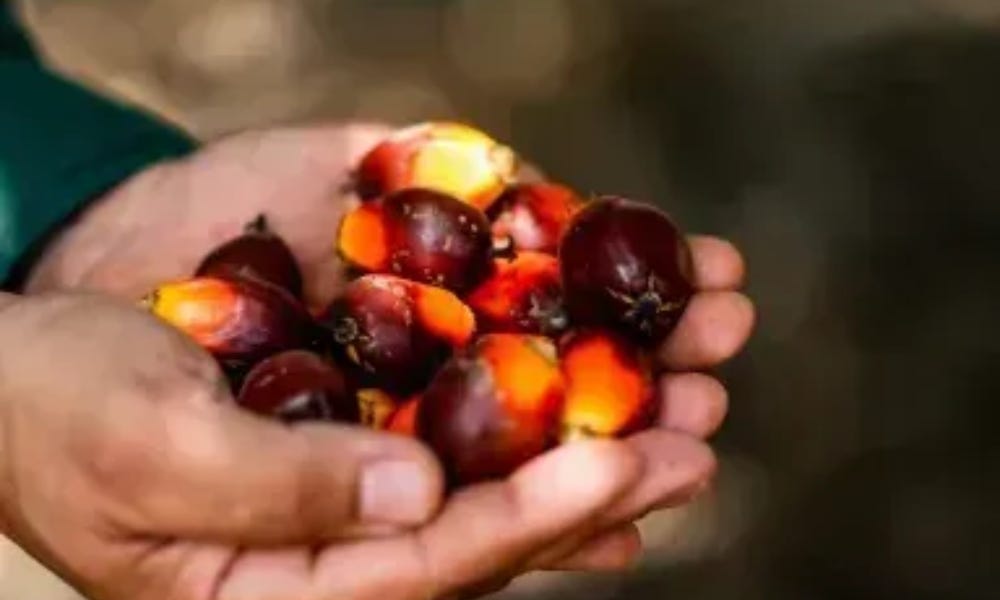
Daabon Begins Brazil Operations After Agropalma Acquisition - Colombian group Daabon has officially started operating in Pará after completing the acquisition of 100% of Agropalma’s Brazilian palm oil operations. The deal includes Agropalma’s plantation and forest reserve areas, six extraction plants in Tailândia and a refinery in Belém, while the Limeira refinery remains outside the transaction. Daabon, known for organic food production and integrated supply chains, says it will maintain traceability, zero-deforestation commitments and community programs, while opening a new investment cycle in Pará. Read more
BTG Increases Exposure to Eucatex Preferred Shares - BTG Pactual now indirectly holds almost 49.95% of Eucatex’s preferred shares through Econômico Agro Pastoril, which reduced its stake in the company’s non-voting shares. Eucatex is one of Brazil’s traditional producers of building materials, flooring and wood-based products. The notice says BTG owns 100% of Econômico Agro Pastoril indirectly, but there was no change in BTG’s holding of Eucatex ordinary shares, meaning the move affects economic exposure rather than voting control. Read more
Macro & Markets
SLC Farmland Portfolio Slows as Land Market Cools - SLC Agrícola’s farmland portfolio was valued at about $2.7 billion in 2026, but the average value of its arable hectares rose just 1%, far below the company’s 20-year average appreciation of 12.7% per year. The slowdown reflects weaker soy and corn prices and a more cautious rural land market. SLC is now looking to create value less through land appreciation and more through expansion, partnerships and irrigation, with plans to grow irrigated area from 19,000 to 58,000 hectares. Read more
Bom Futuro Offers $370M for Radar Farmland - Bom Futuro has offered about $370 million for 41,200 hectares owned by Radar, the Cosan-Nuveen farmland joint venture, in another sign of strong appetite for prime Mato Grosso land. The deal still depends on SLC Agrícola, which leases around 60% of the area and has a 30-day right of first refusal. For Cosan, the sale would support its deleveraging strategy and could bring in almost $120 million in cash, while SLC must decide whether to defend strategic land access. Read more
USDA Says Brazil Ag Logistics Bottlenecks Cost $14B - A USDA report says logistics bottlenecks could become the main constraint on Brazilian agribusiness growth through 2034, with storage, roads, ports, railways and waterways struggling to keep pace with production. The report estimates these limitations cost about $14 billion in 2025, while logistics already represent around 30% of farm production costs. Grain storage covers only 60–70% of national output, the deficit is especially severe in the Center-West and Matopiba, and licensing delays continue to slow new terminals. Read more
That’s all for this week, thanks for reading,
KFG
Kieran Finbar Gartlan is an Irish native with over 30 years of experience living and working in Brazil. He is Managing Partner at The Yield Lab Latam, a leading venture capital firm investing in Agrifood and Climate Tech startups across Latin America.