


Hi, I’m Kieran Gartlan, Managing Partner at The Yield Lab Latam, ranked number two in the world for AgTech investments in 2025 by AgFunder. If you’re interested in learning more about Brazil’s AgTech opportunity, feel free to message me below.
In Brazil AgTech news this week, Aravita is using AI to reduce produce waste in supermarkets, while the Ministry of Agriculture is launching a digital system to speed agrochemical and bioinput approvals. E-ctare is pivoting from rural credit to data infrastructure, biological seed treatments are gaining ground, and CCAB is bringing e-commerce logic to the agricultural inputs market.
In Climate Tech developments, Brazil’s data-center boom is becoming a new source of clean power demand as Microsoft, AWS and TikTok expand infrastructure in the country. Belterra is preparing new financing structures to scale cocoa agroforestry on degraded pasture, Flying Rivers Capital is backing low-carbon assets across biomethane, green fertilizers and recycling, and Atvos is investing in its first corn ethanol unit in Mato Grosso do Sul.
On the funding and M&A front, Brazil’s EcoInvest program is preparing a new round focused on green fuels and fertilizers, with the potential to mobilize up to US$10.9 billion through bank leverage. MBRF is investing about US$99 million in Gelprime to expand collagen and gelatin production, deepening its push into higher-value animal protein ingredients.
In Macro & Markets, Brazilian companies face rising security risks as AI-agent adoption accelerates. Glyphosate is facing a legal challenge, lawmakers approved tax incentives to support domestic fertilizer production, Brazil’s venture capital market is entering a more selective rebound after the startup winter, and JBS’ potential inclusion in the Russell 3000 could attract passive capital and support a major valuation rerating.
Table of Contents
AgTech
Aravita cuts produce waste with AI
Agrochemical approvals go digital
E-ctare pivots from credit to data infrastructure
Biological seed treatments gain ground
CCAB brings e-commerce logic to inputs
Climate Tech
Data centers drive clean power demand
Belterra scales agroforestry finance
Flying Rivers backs low-carbon assets
Atvos adds corn ethanol in MS
Funding & M&A
EcoInvest targets green fuels and fertilizers
MBRF expands into collagen and gelatin
Macro & Markets
AI adoption raises security risks
Glyphosate faces legal challenge in Brazil
Brazil backs fertilizer factories
Brazil VC enters selective rebound
JBS eyes Russell rerating
AgTech
Aravita cuts produce waste with AI Aravita is using artificial intelligence to help supermarkets reduce waste in fruits, vegetables and legumes by calculating the ideal purchase volume from suppliers. Founded in 2022 by Marco Perlman, Bruno Schrappe and Aline Neves de Azevedo, the company focuses on ultra-perishable foods, where forecasting errors can mean either lost sales from empty shelves or waste from excess inventory. Its models combine data such as seasonality, supplier availability, weather, promotions and consumer payment cycles to guide purchasing decisions. According to the company, its technology has reduced supermarket produce waste by 25% while improving supply-chain efficiency. read more
Agrochemical approvals go digital Brazil’s Ministry of Agriculture will launch Sispa, a unified electronic system designed to streamline the registration and review of agrochemicals and bioinputs. Created under Brazil’s 2023 pesticide law, the platform will centralize petitions, post-registration changes and technical dossiers in a single digital workflow, replacing fragmented submissions across different federal agencies. The system was developed with support from private-sector partners, including Abrapa and IBA, which invested more than US$6 million in the project. The goal is to reduce bureaucracy, enable real-time process tracking and help meet legal approval deadlines, including up to 24 months for new products. read more
E-ctare pivots from credit to data infrastructure Minas Gerais agtech E-ctare is shifting its strategy from rural credit origination to data infrastructure and operational intelligence for agribusiness. Founded in 2015 with a real-time coffee price quotation platform, the company later moved into financing solutions, including receivables advances, CRAs and FIDC origination. After rising interest rates and higher default risk made rural credit less attractive, E-ctare identified its real asset in the data connections built across producers, cooperatives, agroindustries and management systems. The company now offers CRM, traceability, logistics, inventory control, field apps and commercial tools that plug into existing ERPs. read more
Biological seed treatments gain ground Biological products are now used to treat about 25% of seeds sold in Brazil, according to a Notícias Agrícolas report from ENSOJA 2026. The trend reflects growing demand for seed technologies that improve protection, nutrition and early plant development, especially in soybeans. Vittia highlighted its Raiz Forte program, which combines biological solutions designed to support seed vigor and root development, positioning biological seed treatment as part of a broader shift toward more efficient and sustainable crop management. The adoption level also shows how biologicals are moving from niche inputs into mainstream farm practice. read more
CCAB brings e-commerce logic to inputs CCAB part of the French InVivo group, is launching Farmi, a digital platform designed to bring more transparency, speed and predictability to Brazil’s agricultural input market. Inspired by the customer experience of Amazon and Mercado Livre, the platform will give farmers real-time information on product availability, credit, prices, logistics and delivery timing, starting with CCAB’s own portfolio of crop protection products. The system uses data intelligence across commercial, credit, tax and logistics areas, with plans to move from a web portal to WhatsApp and eventually add services such as finance and insurance. CCAB reported around US$320 million in revenue in 2025. read more
Climate Tech
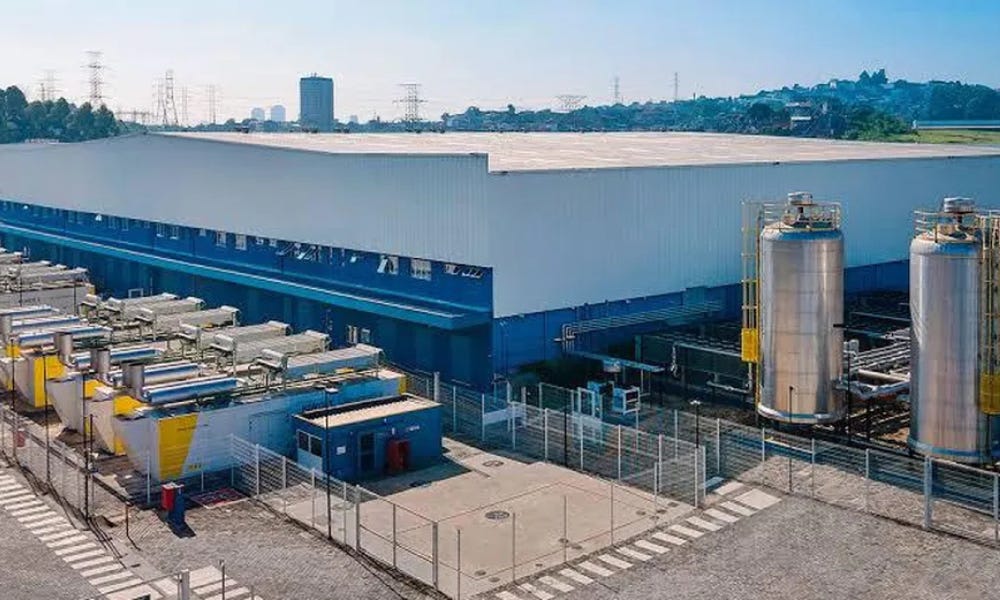
Data centers drive clean power demand Brazil is emerging as Latin America’s leading data-center market as Microsoft, AWS and TikTok expand cloud and AI infrastructure in the region. According to DataCenter Hawk, Latin America contracted 328 MW of data-center capacity in the first quarter, already double the level seen in 2025, with Brazil leading hyperscaler demand. Campinas has tripled contracted capacity since 2023 and will host Microsoft server parks designed to train AI models with Nvidia chips. read more
Belterra scales agroforestry finance Belterra is preparing new investment structures that could raise more than US$159 million to convert degraded pasture into agroforestry systems focused on cocoa. The startup, founded by Valmir Ortega, already has around 2,800 hectares contracted across Pará, Rondônia, Mato Grosso and Maranhão, with about 600 hectares planted. After securing around US$20 million from BNDES’ Climate Fund and roughly US$15 million from MOV, Rise, Bold and Germany’s Ecosia, Belterra plans to use SPEs, or special-purpose vehicles, to finance expansion. The goal is to add 15,000 hectares over five to six years and reach around 20,000 hectares by 2033 or 2034. read more
Flying Rivers backs low-carbon assets Flying Rivers Capital, a climate-focused asset manager created from the climate vertical of eB Capital, has built a portfolio focused on Brazil’s low-carbon economy, including biomethane, green fertilizers, PET recycling and healthcare equipment platforms. The firm already has around US$198 million under management and recently had one of its funds approved under BNDES’ climate funding program, which could add up to US$99 million to the vehicle. Portfolio company Bioo also secured around US$2.9 million from Brazil’s Climate Fund to build a biomethane plant, while Cirklo raised about US$52 million through green debentures for PET recycling. read more
Atvos adds corn ethanol in MS Atvos will invest more than US$198 million in its first corn ethanol unit, expanding the Santa Luzia facility in Nova Alvorada do Sul, Mato Grosso do Sul. The plant is expected to begin operations in 2028 and will be integrated with the company’s existing sugarcane ethanol operation, allowing year-round production and better asset utilization. The unit will process 642,000 tons of corn per year and produce 273,000 cubic meters of ethanol, along with 183,000 tons of DDG for animal nutrition and 13,000 tons of corn oil. The project strengthens Brazil’s bioenergy platform beyond sugarcane. read more
Funding & M&A
EcoInvest targets green fuels and fertilizers Brazil’s Treasury will allocate about US$1.8 billion across six new EcoInvest theses, a program designed to provide FX hedging for foreign impact capital, including dedicated lines for biofuels and green fertilizers. With bank leverage, the round is expected to mobilize between US$7.9 billion and US$10.9 billion, bringing the program close to US$39.7 billion across five editions if targets are met. The structure is designed to reach companies at different stages, from innovation funds linked to venture capital to corporate credit for larger firms, while requiring recipients to invest 10% of funds raised in research projects with universities and research centers. read more
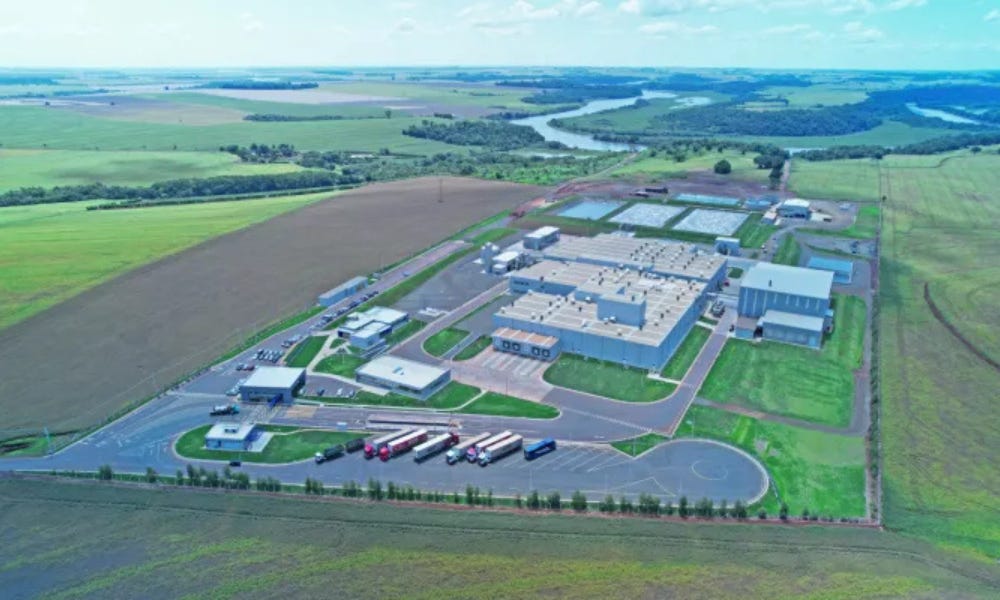
MBRF expands into collagen and gelatin MBRF, the meat company formed by the combination of Marfrig and BRF, will invest about US$99 million in Gelprime, the gelatin and collagen company in which it holds a 50% stake. The investment will expand production at Gelprime’s Londrina facility in Paraná, including a new functional collagen line expected in the second half of 2026 and an expansion of hydrolyzed collagen production planned for 2027. MBRF said the project should double Gelprime’s capacity and take it to around 30,000 tons by 2030, potentially placing the company among the world’s five largest gelatin and collagen producers. The move deepens MBRF’s strategy around higher-value animal protein ingredients. read more
Macro & Markets
AI adoption raises security risks Brazilian companies expect a 113% increase in AI-agent identities over the next 12 months, the highest growth expectation in the Americas and behind only Israel and Hong Kong globally, according to Palo Alto Networks’ 2026 Identity Security Landscape Report. The study also found that 91% of Brazilian companies reported identity-related security breaches over the past year, close to the global average of 90%. More and more agribusinesses, cooperatives, banks and input companies are automating workflows with AI agents, increasing the need for secure digital identity, permission controls and data governance. read more
Glyphosate faces legal challenge in Brazil Brazil’s Labor Prosecutor’s Office has filed a civil lawsuit against Anvisa and the federal government seeking a nationwide ban on glyphosate, one of the country’s most widely used herbicides. The action asks for the cancellation of all glyphosate-based product registrations and a prohibition on production, commercialization, import, export and use, citing alleged health risks to rural workers, environmental damage and water contamination. The lawsuit also accuses Anvisa of a “double regulatory standard” by moving quickly to approve pesticides while taking longer to review or ban substances considered risky. Bayer and CropLife Brasil defended science-based regulatory reviews. read more
Brazil backs fertilizer factories Brazil’s lower house approved a bill creating up to US$2 billion in federal tax incentives over five years to support new fertilizer plants and modernize existing facilities. The proposal, which now returns to the Senate, would create the Profert program and use federal tax credits with an annual cap of about US$397 million. The bill also sets gradual local-content targets for fertilizers produced in Brazil, starting with a 2% mandatory national blend in 2027 and rising to 10% to 30% by 2037. Brazil currently imports around 85% of its fertilizer needs, leaving farmers exposed to global supply shocks and price volatility. read more
Brazil VC enters selective rebound Brazil’s startup market is moving into a more disciplined investment cycle after the “startup winter,” according to Thiago Maceira, head of technology at Itaú BBA. He says the funding drought forced companies to manage cash, improve governance, seek profitability and build more mature business models. Investor interest remains steady rather than explosive, with foreign capital still tracking Brazil as a large, under-digitized market where structural inefficiencies create space for innovation. The strongest opportunities over the next 12 to 24 months are expected in B2B software, fintech, data applications, AI tools, customer service automation, onboarding, credit and workflow automation. read more
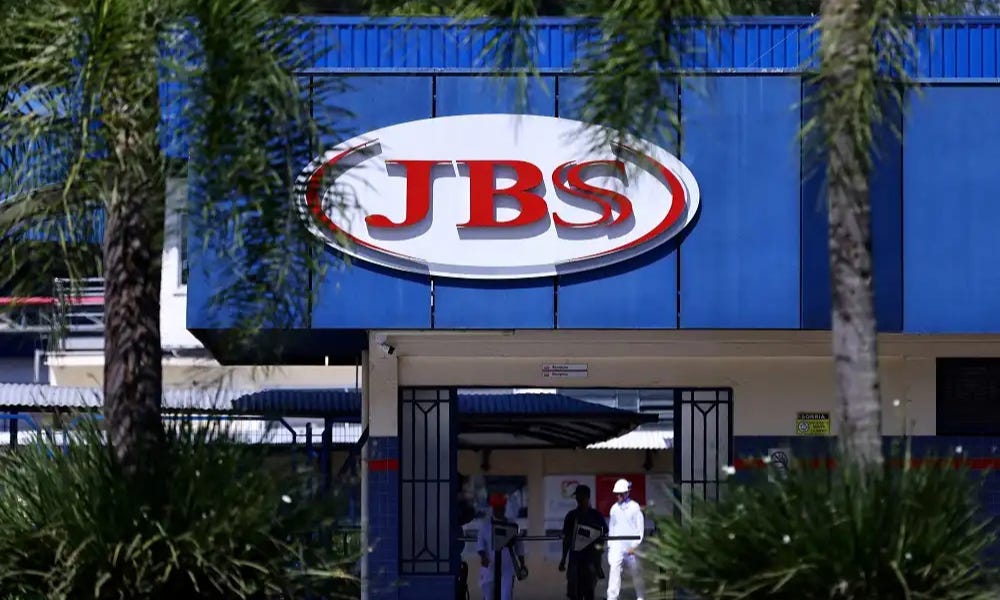
JBS eyes Russell rerating JBS’ inclusion in the preliminary Russell 3000 index could unlock up to US$15 billion in market value, according to Citi estimates. The move follows JBS’ dual listing in Brazil and New York, one of the company’s main goals for improving liquidity, passive ownership and valuation. Citi expects Russell inclusion to attract US$1 billion to US$4 billion in capital flows over the next 12 to 24 months as ETFs, passive strategies and asset managers normalize exposure. Morgan Stanley also noted that Russell inclusion could help pave the way for future eligibility for the S&P 500. read more
That’s all for this week, thanks for reading,
KFG
Kieran Finbar Gartlan is an Irish native with over 30 years of experience living and working in Brazil. He is Managing Partner at The Yield Lab Latam, a leading venture capital firm investing in Agrifood and Climate Tech startups across Latin America.