


The ag-biotech that enables bees to work harder, and smarter using better nutrition and scent training.
Fragile Flight
In agriculture, everyone knows about seeds, fertilizers, and irrigation. But ask most farmers what sets the upper limit of their yields, and few will say pollination. It’s the quietest process in the production cycle, yet without it, there is no harvest. The paradox is stark: bees are essential, but often overlooked.
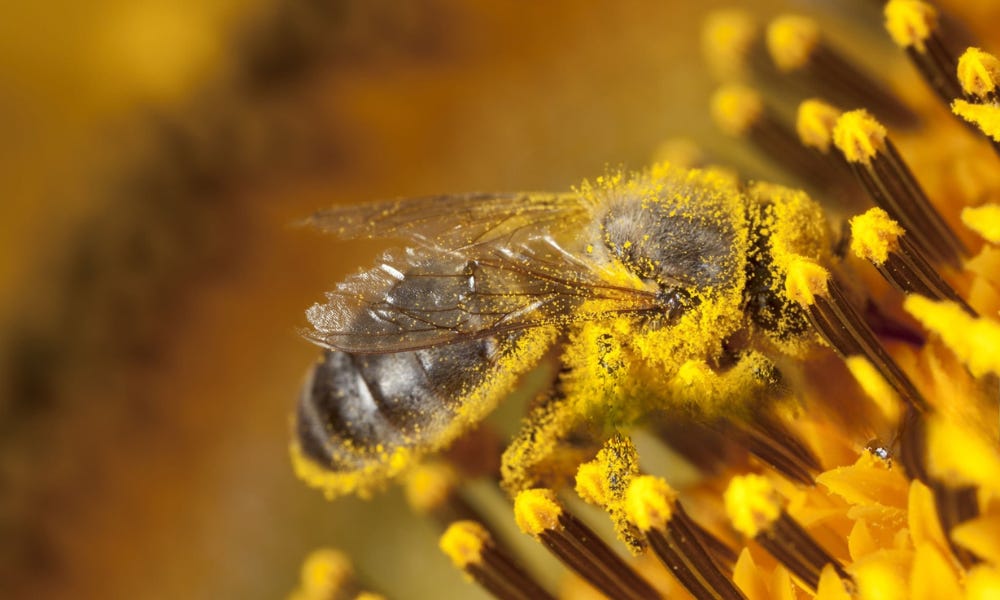
Today, that oversight comes at a high cost. Seventy-five percent of global crops depend on pollination, and one-third of total crop production is directly tied to bee activity. At the same time, bee populations are in crisis. Climate change, habitat loss, heavy pesticide use, and the spread of monocultures are weakening hives, killing foragers, and cutting short the window when bees can work.
The result is a growing mismatch between crop needs and pollination supply. For farmers, this can mean 10–40% of potential yield left unrealized in the field. For a world under pressure to feed a soon-to-be 10 billion people sustainably, it means one of the most critical levers for food security is slipping through our fingers.
Hive Power
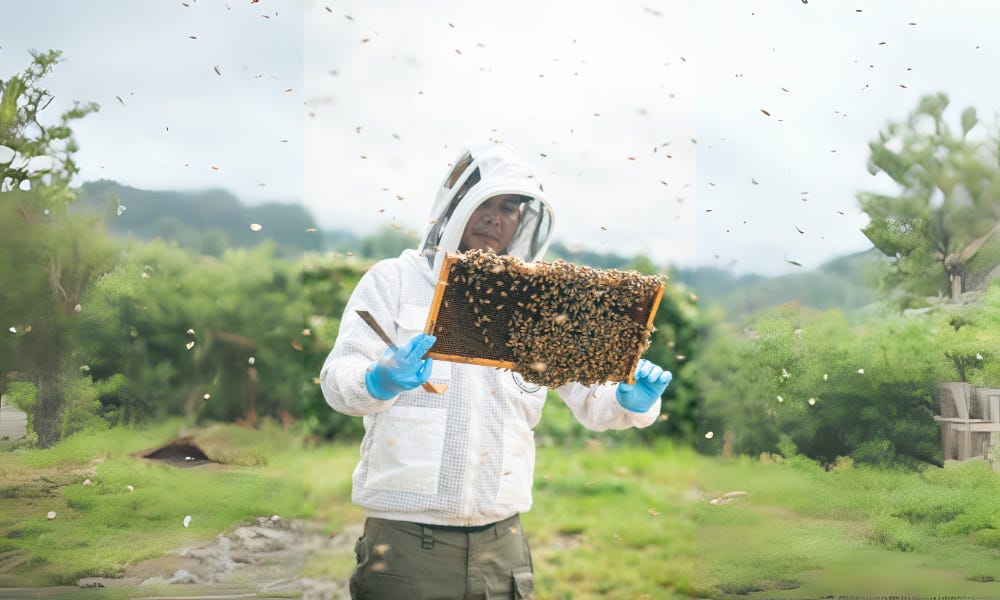
Beeflow starts from a simple but powerful idea: bees can be optimized like any other farm input. The company has developed a plant-based nutrition supplement that strengthens hive immunity, reduces mortality, and allows bees to fly even in colder, adverse weather. A second technology primes bees through exposure to crop-specific scent compounds, training them to prioritize target flowers over surrounding flora.
Together, these innovations transform bee colonies into precision pollinators. Instead of wandering between weeds and wildflowers, bees are guided to the crop that matters most for the farmer. Instead of dying early or staying inactive in the cold, they remain vigorous throughout the short bloom period that defines the season’s yield.
The science is layered with data. Beeflow runs its own pollination programs as a managed service, renting hives, deploying field teams, and collecting seasonal performance data. AI models then help refine decisions on hive density, placement, and timing, giving growers a level of control and predictability they never had before.
Sweet Spot
The insight behind Beeflow is that fertilizers and chemicals don’t create yield — they only protect it. Pollination is the moment when yield potential is set, and if that process underperforms, no amount of later intervention can make up the difference. It is agriculture’s true choke point.
By framing pollination as a professional service rather than a side activity of beekeepers, Beeflow is carving out a new category. Farmers can now treat pollination as a planned, measurable, ROI-driven input, no different from buying a better seed or applying irrigation. Early customers are reporting returns of 7–18x their investment in a single season.
It’s also a mindset shift for the industry. Bees stop being a fragile risk factor and become a performance tool. In an era of climate volatility, that change of perspective — from bees as background actors to bees as frontline technology — could reshape how the food system thinks about resilience.
Busy Bees
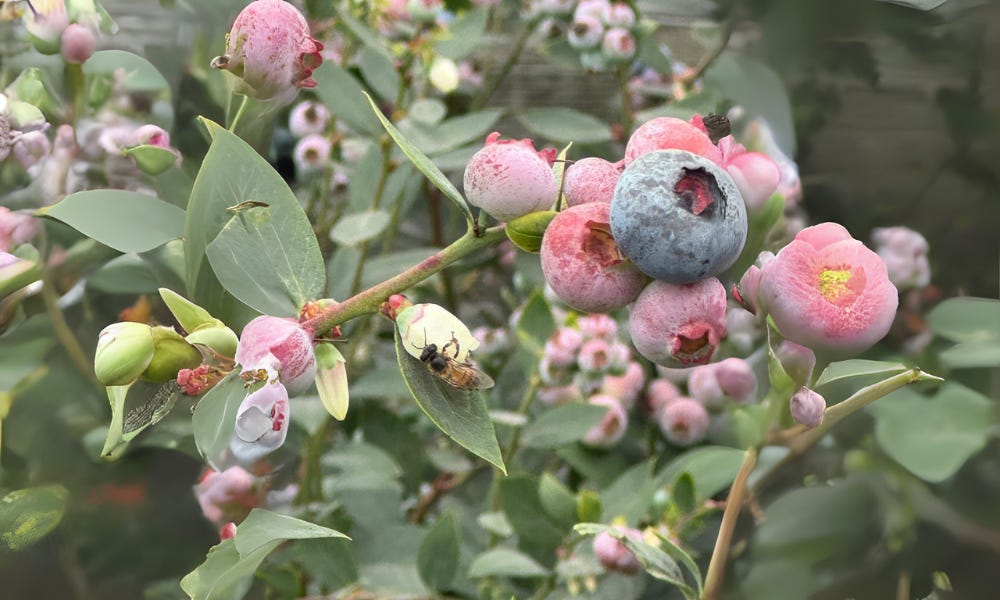
Since its founding in Argentina in 2016, Beeflow has tested and refined its model across four countries in the Americas. More than 50 field trials have demonstrated consistent yield gains of 20–60%, averaging around 32%. Independent research in Washington State showed blueberries over 50% larger in Beeflow plots compared to controls.
That kind of validation has turned into commercial contracts. Today, Beeflow works with more than 20 customers, including large-scale names like Agriculture Capital, Fowler Packing, and Agrovision. Every trial to date has been paid, a rare feat in AgTech, and most have converted into recurring engagements.
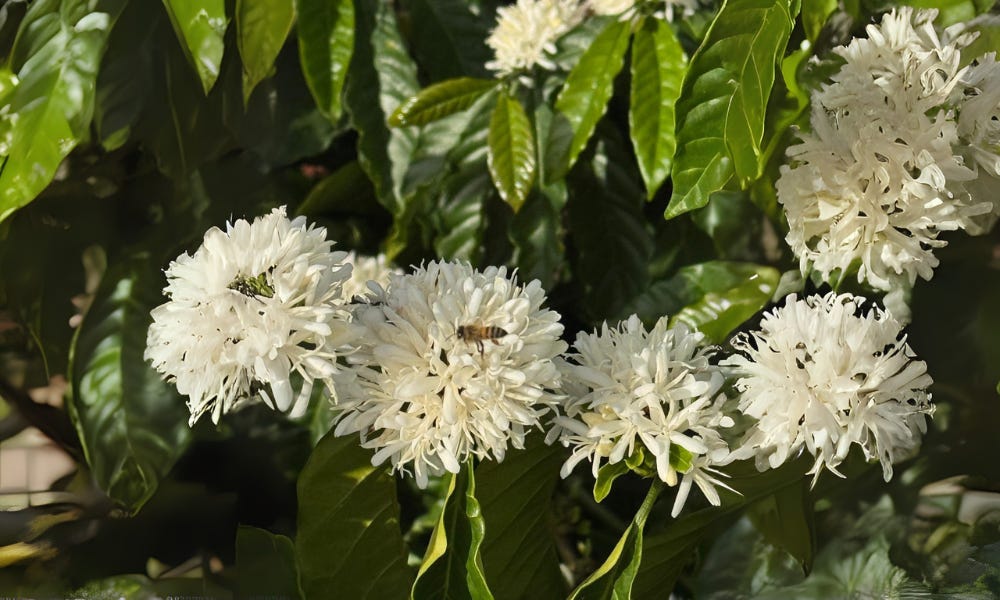
Now, the company is extending its reach into Brazil, where it has partnered with Louis Dreyfus Company (LDC) to apply pollination services in citrus and coffee — two crops where pollination has historically been neglected but carries enormous potential. If Brazil’s coffee sector adopts Beeflow’s approach at scale, it could redefine both productivity and sustainability benchmarks for the industry.
Killer Vision
Behind Beeflow is Matías Viel, an Argentine entrepreneur who saw a market gap and a scientific opportunity. While most AgTech innovation was focused on soil, seeds, or satellites, he recognized that bees were the weakest link in the chain — and that technology could strengthen it.
Viel built a team of scientists across disciplines — biology, ecology, agronomy, even neurobiology — to design interventions that work with bee biology rather than against it. Alongside them, he assembled operators and commercial leaders to turn field trials into a scalable service business.
His vision is not small as he imagines a future where pollination is no longer left to chance, but becomes a system as measurable, predictable, and scalable as irrigation. Viel wants pollination to be treated as a core agricultural input, on par with seeds and fertilizers.
“Pollination is agriculture’s invisible lever,” he says. “If we get it right, we not only grow more food, we grow it in harmony with nature.” That ambition now spans from berries in California to coffee in Brazil, with bees as the unlikeliest of high-tech allies.

Thanks for reading.
KFG
Beeflow is a Yield Lab Latam portfolio company. Please reach out if you're interested in connecting with the company or if you would like to learn more about how to invest in high-potential agrifood and climate tech startups in Latin America.
Kieran Finbar Gartlan is an Irish native with over 30 years experience living and working in Brazil. He is Managing Partner at The Yield Lab Latam, a leading venture capital firm investing in Agrifood and Climate Tech startups in Latin America.