


Hi, I’m Kieran Gartlan, Managing Partner at The Yield Lab Latam, ranked second in the world last year for AgTech investments. If you’re interested in learning more about Brazil’s AgTech opportunity, feel free to reach out.
In AgTech news this week, satellite analysis identified potential crop-area mismatches involving US$440 million in publicly financed soybean operations. CNA launched a WhatsApp-based AI adviser, EarthOptics surpassed 600,000 hectares of Brazilian soil analysis, and Embrapa advanced a process for producing bioinsecticides at industrial scale.
In Climate Tech, 4Wood Biotech plans to invest US$540 million in a bamboo biorefinery in Maranhão. Biodiesel demand is driving a 74% expansion in canola planting, Brazilian researchers are developing a lower-energy route to ammonia, and Yara and Coopercitrus are targeting lower-carbon coffee and cocoa.
In Funding & M&A, financial pressure is spreading through the agricultural-input sector as Essere Group and Sefert seek judicial protection and Heringer negotiates with creditors. 051 Capital is deploying land-backed credit into distressed farms, Suno raised US$11 million for its listed farmland fund, and Amaggi is seeking US$100 million through a CRA.
In Macro & Markets, Europe’s deforestation rules are testing Brazil’s agricultural data infrastructure. Falling fertilizer demand prompted an US$800 million subsidized-credit response, Luft plans 150 local distribution hubs, and drought threatens grain transportation along the Tapajós.
AgTech
Satellites Flag US$440 Million in Soy-Credit Mismatches
CNA Launches WhatsApp AI Adviser
EarthOptics Maps 600,000 Hectares of Brazilian Soil
Embrapa Advances Industrial Bioinsecticide Production
Climate Tech
US$540 Million Bamboo Biorefinery Approved
Canola Planting Jumps 74% on Biodiesel Demand
Researchers Advance Lower-Energy Ammonia Production
Yara and Coopercitrus Target Lower-Carbon Coffee and Cocoa
Funding & M&A
Fertilizer Companies Face Growing Financial Distress
051 Capital Deploys US$50 Million into Distressed Farms
Suno Raises US$11 Million for Farmland Fund
Amaggi Seeks US$100 Million Through CRA
Macro & Markets
EUDR Tests Brazil’s Agricultural Data Infrastructure
Fertilizer Slump Triggers US$800 Million Credit Response
Luft Plans 150 Local Hubs for 24-Hour Input Delivery
Tapajós Bottleneck Threatens Grain Exports
AgTech
Satellites Flag US$440 Million in Soy-Credit Mismatches — Serasa Experian used Sentinel-2 imagery and automated crop identification to compare 42,691 publicly financed soybean operations with what appeared to have been planted. While 82.6% showed broad alignment, 17.4% had differences exceeding 10% of the financed area, representing US$440 million in credit. The findings can direct lenders toward operations requiring further investigation but do not independently prove misuse. Source: Forbes Agro
CNA Launches WhatsApp AI Adviser — Brazil’s Confederation of Agriculture and Livestock has launched JoIA, a free AI assistant offering farmers technical, financial and management guidance through WhatsApp. The tool draws on 17 years of production-cost data from CNA’s Campo Futuro project, allowing users to compare regional performance and evaluate input prices and exchange ratios. Integration with Senar content will also direct farmers toward relevant training materials and courses. Source: CNN Brasil
EarthOptics Maps 600,000 Hectares of Brazilian Soil — The US AgTech has analyzed more than 30,000 samples for approximately 700 Brazilian producers since entering the market in 2023. Its platform combines sensors, AI and metagenomics to detect soil characteristics, nematodes and microbial activity, helping farmers target chemical and biological treatments more precisely. EarthOptics, which uses Campinas as its South American laboratory base, is targeting annual regional growth of at least 50%. Source: AgFeed
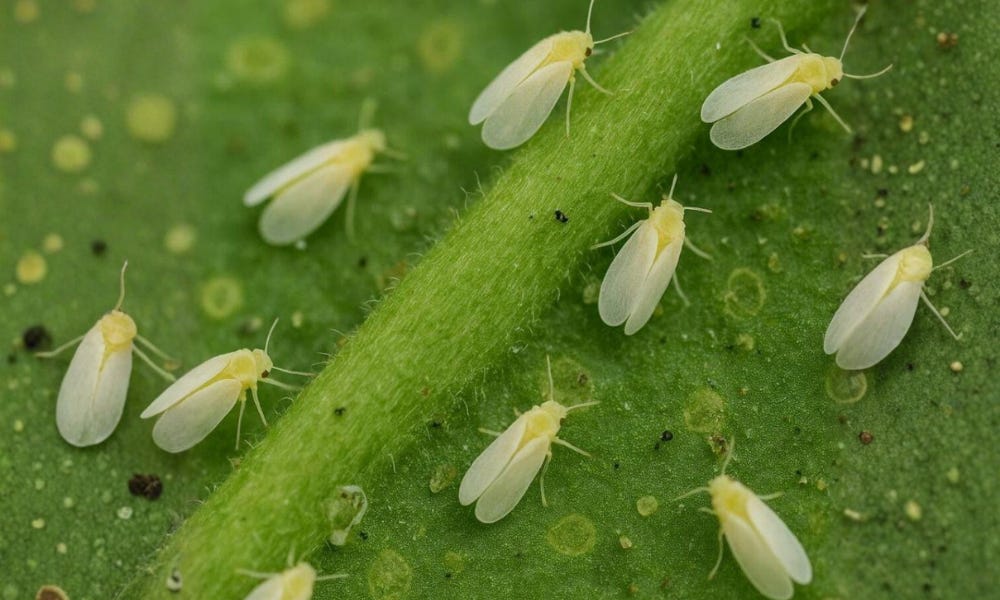
Embrapa Advances Industrial Bioinsecticide Production — Embrapa and biological-input company Efense have developed a process for producing fungal bioinsecticides through liquid fermentation. Validated in 1,200-litre industrial bioreactors, the method produced up to 2.8 billion fungal cells per millilitre within four days. New formulations remained viable for up to 90 days under refrigeration and achieved 70%–93% mortality against fall armyworm and whitefly in controlled trials, with effectiveness also demonstrated in soybean fields. Source: Embrapa
Climate Tech
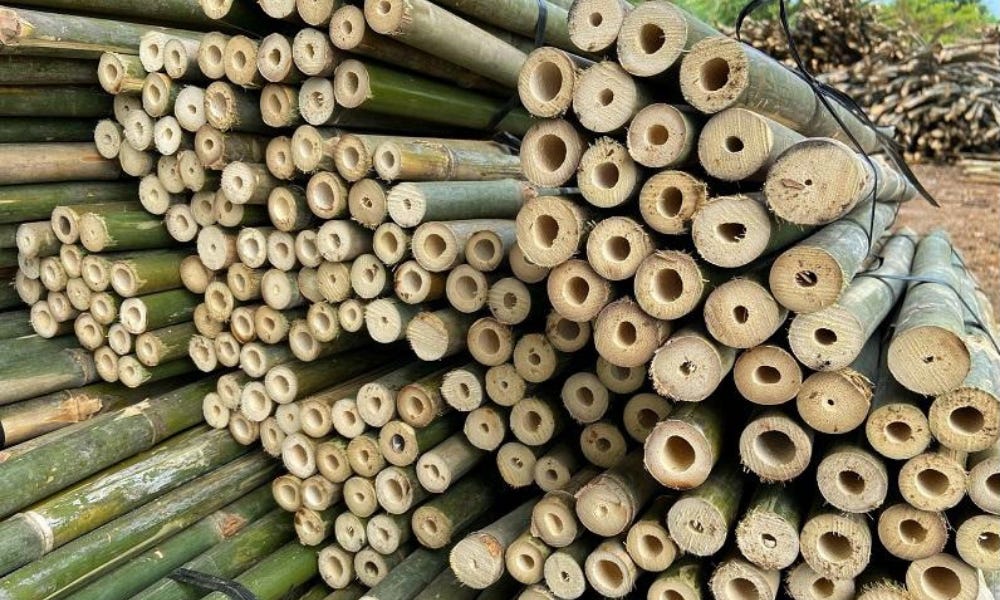
US$540 Million Bamboo Biorefinery Approved — Brazil’s Export Processing Zone Council has authorized 4Wood Biotech to install a biorefinery in Bacabeira, Maranhão. The proposed facility would process bamboo biomass into second-generation ethanol and other bioproducts for export, creating a potentially significant new agricultural supply chain in the Northeast. The approval allows the project to operate inside the export zone but does not confirm that financing, construction or feedstock contracting has been completed. Source: MDIC
Canola Planting Jumps 74% on Biodiesel Demand — Rio Grande do Sul’s canola area reached an estimated 366,000 hectares this season as processors increased demand for alternative biodiesel feedstocks. Canola contains approximately twice as much oil as soybeans and is now trading at a premium to the crop it once trailed. As a winter crop, it could also support future sustainable aviation fuel production without replacing the state’s main summer soybean crop. Source: The AgriBiz
Researchers Advance Lower-Energy Ammonia Production — Brazilian researchers found that controlled ageing can improve the productivity of cobalt-oxide electrocatalysts used to convert nitrate pollution into ammonia. Unlike the conventional Haber-Bosch process, the experimental route operates at ambient temperature and pressure and could use renewable electricity. However, ageing also made the catalyst less selective, producing more unwanted compounds. The research identifies ways to improve future catalyst design but remains far from demonstrating commercial cost or scale. Source: FAPESP
Yara and Coopercitrus Target Lower-Carbon Coffee and Cocoa — Yara Brasil and Coopercitrus signed a non-binding agreement to evaluate projects that reduce emissions across coffee and cocoa production. Studies will examine business opportunities involving lower-carbon fertilizers and other technologies and inputs that combine productivity with a smaller environmental footprint. The cooperative already distributes Yara products classified as having very low carbon intensity, while the fertilizer company has similar partnerships across coffee, cocoa and banana supply chains. Source: CNN Brasil
Funding & M&A
Fertilizer Companies Face Growing Financial Distress — Financial pressure is spreading through Brazil’s agricultural-input sector. Essere Group requested judicial recovery with US$44 million in debt, while Sefert entered recovery owing US$48 million. Fertilizantes Heringer has meanwhile requested a 60-day suspension of creditor claims while it begins mediation. The three developments suggest that high interest rates, tighter farm credit and weak input demand are now affecting manufacturers as well as producers. Sources: AgFeed, Globo Rural and CNN Brasil
051 Capital Deploys US$50 Million into Distressed Farms — The investment manager is providing land-backed loans to indebted grain producers, primarily in Matopiba. Typical transactions range from US$4 million to US$8 million, with two years of principal grace and four years to repay. Borrowers pay CDI plus 8% annually and must pledge farmland worth at least 2.5 times the loan. The terms offer breathing room, but only to producers with substantial assets and viable cash flow. Source: The AgriBiz
Suno Raises US$11 Million for Farmland Fund — Suno’s listed SNFZ11 fund increased its equity by 40% after completing a follow-on offering largely supported by one institutional investor. Retail investors contributed only US$160,000, illustrating the difficult fundraising environment for publicly traded farmland vehicles. The proceeds will finance three Mato Grosso farms with 2,200 agricultural hectares, expanding the portfolio to six properties covering 3,800 hectares. Source: The AgriBiz
Amaggi Seeks US$100 Million Through CRA — The agricultural group launched a seven-year agribusiness receivables offering restricted to professional investors. One US$60 million tranche will pay 105% of Brazil’s CDI benchmark rate, while the remaining US$40 million will offer a fixed annual return of 15.10%. The documentation does not clearly specify how the proceeds will be used, although Amaggi recently approved the early redemption of a similarly sized CRA issued in 2024. Source: The AgriBiz
Macro & Markets
EUDR Tests Brazil’s Agricultural Data Infrastructure — From December 30, large and medium companies exporting soy, beef, coffee and other covered products to Europe must provide geolocation and evidence that production did not involve deforestation after 2020. The rules affect Brazilian agricultural exports worth approximately US$25 billion annually. Compliance will require interoperable data, traceability and segregated supply chains, with fragmented sectors and smaller producers facing the greatest difficulty. Sources: UOL Economia and European Commission
Fertilizer Slump Triggers US$800 Million Credit Response — Brazilian fertilizer deliveries could fall from 49 million tonnes in 2025 to between 42 million and 45 million this year as restricted credit and weak margins delay purchases and reduce application. The government has meanwhile allocated US$800 million in subsidized BNDES financing for fertilizer companies, primarily for working capital. Reduced phosphorus use could cut soybean productivity by 5%–7%, particularly on newer agricultural land. Sources: AgFeed and The AgriBiz
Luft Plans 150 Local Input Hubs — Luft Logistics is testing an e-commerce-inspired distribution model that places smaller warehouses closer to farms. Its first mini-hub is operating in Uruçuí, Piauí, with a second under discussion in Jataí, Goiás, and the company could eventually create 100–150 locations. Luft already handles approximately 350,000 agricultural deliveries annually and estimates that its operations touch 30%–40% of Brazil’s fertilizer, crop-protection and foliar-input flows. Source: AgFeed
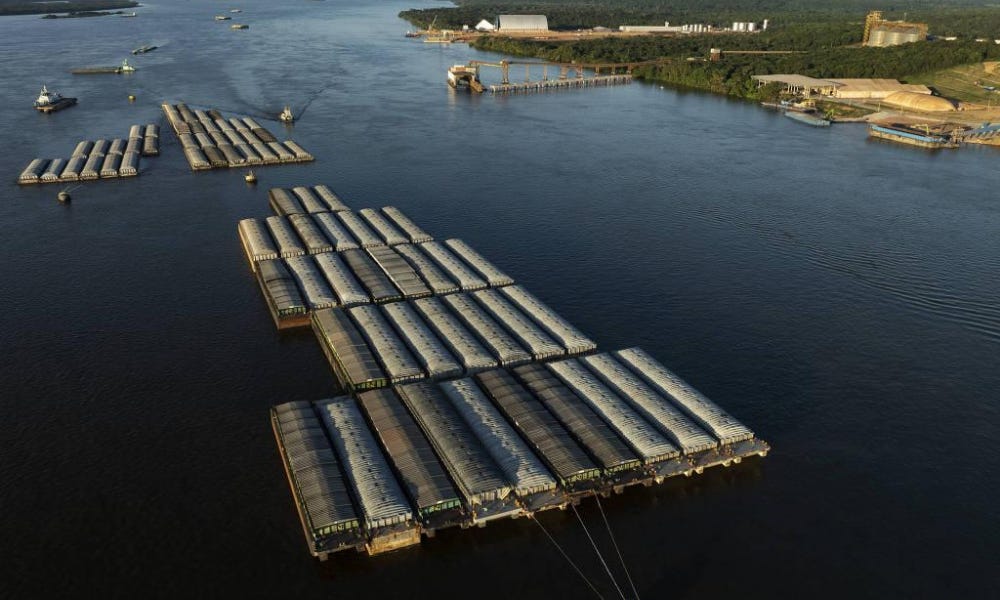
Tapajós Bottleneck Threatens Grain Exports — Drought and unresolved dredging disputes could disrupt between five million and 5.5 million tonnes of soybeans and corn moving from Mato Grosso through the Arco Norte. Industry groups estimate that redirecting cargo to alternative routes could add US$100 million–US$160 million in logistics costs. The federal government suspended planned maintenance dredging pending environmental licensing and consultation with Indigenous and traditional communities, while arguing that road transport can provide contingency capacity. Source: CNN Brasil
That’s all for this week, thanks for reading,
KFG
Kieran Finbar Gartlan is an Irish native with over 30 years of experience living and working in Brazil. He is Managing Partner at The Yield Lab Latam, a leading venture capital firm investing in Agrifood and Climate Tech startups across Latin America.