


As the world gathers in Belém, Brazil’s climate pledge is bringing agriculture into the spotlight, and turning NDC targets into the next frontier for AgTech.
Ground Zero
Every few years, the world resets its climate clock. Countries submit new plans under the Paris Agreement, known as NDCs, or Nationally Determined Contributions, outlining how they will cut emissions and adapt to a warming planet.
This year feels different. COP30, which will take place in Belém from November 10 to 21, 2025, will unfold on Brazilian ground, farmland that sits at the center of both global food production and the climate challenge. Roughly half of Brazil’s emissions come from land use and agriculture. If that sector does not shift, no number of electric cars or solar farms will close the gap.
As global leaders gather in the Amazon’s gateway city, the conversation around agriculture has changed. What used to be treated as a side issue about yields and exports is now a central pillar of climate strategy. Brazil’s farmers, once cast as the villains in deforestation debates, are being recast as potential heroes in carbon capture and land restoration. It’s a big shift, one that could reshape how Brazil is seen abroad and how farming works at home.
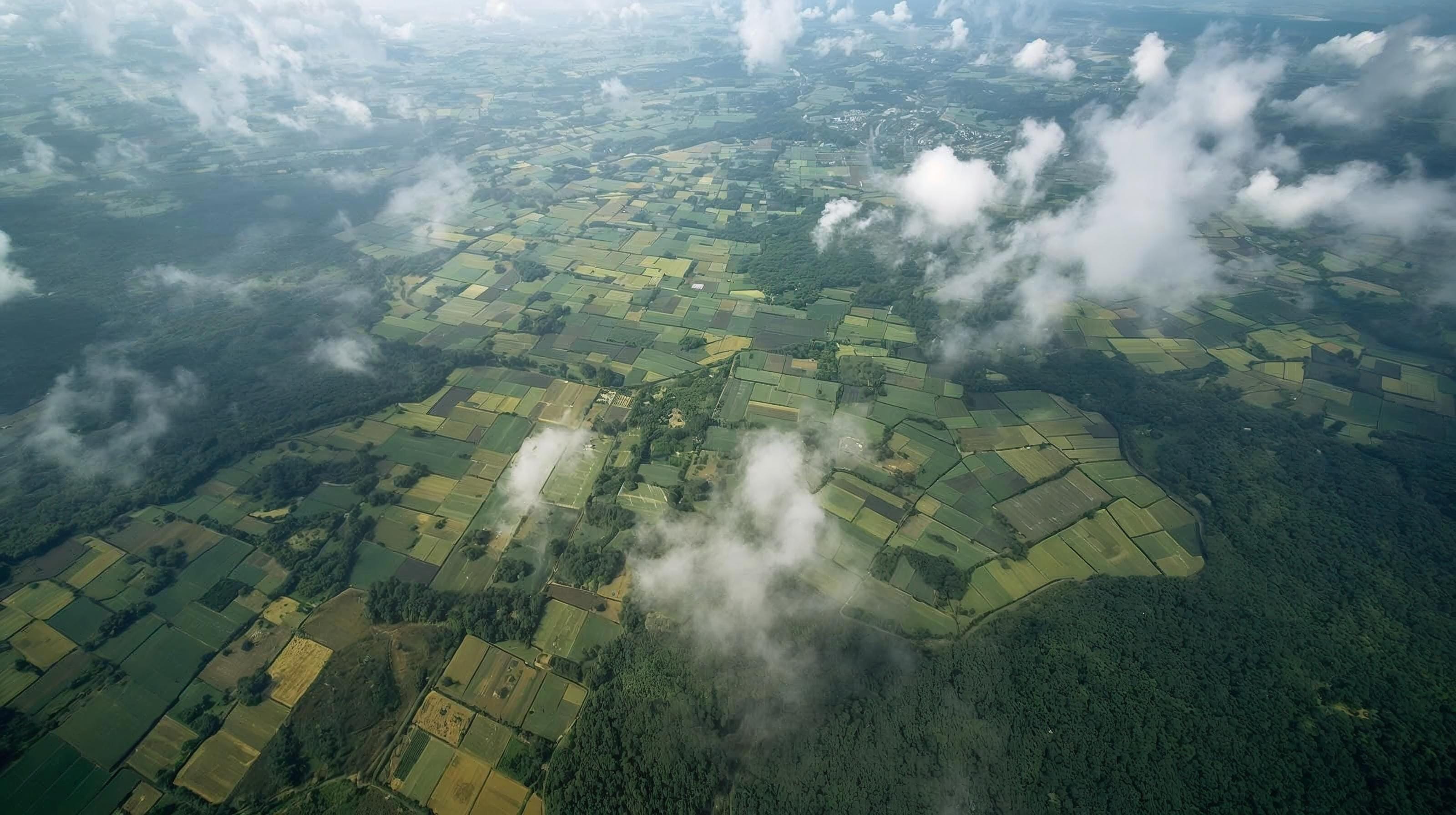
Tech Roots
Brazil’s updated NDC sets out its boldest climate plan yet: ending illegal deforestation in the Amazon by 2030, restoring 15 million hectares of degraded pasture, and expanding integrated crop, livestock, and forest systems by another 5 million. It also aims to capture more carbon in soils, turning farmland into part of the climate solution.
It’s the most ambitious agricultural commitment the country has ever made. But making promises is easier than keeping them. The same pastures that built Brazil’s commodity empire now account for a quarter of its greenhouse gas emissions. Fixing that will not come from government decrees alone. It will require coordination across ministries, banks, startups, and farmers, aligning credit, incentives, and technology so that sustainability pays.
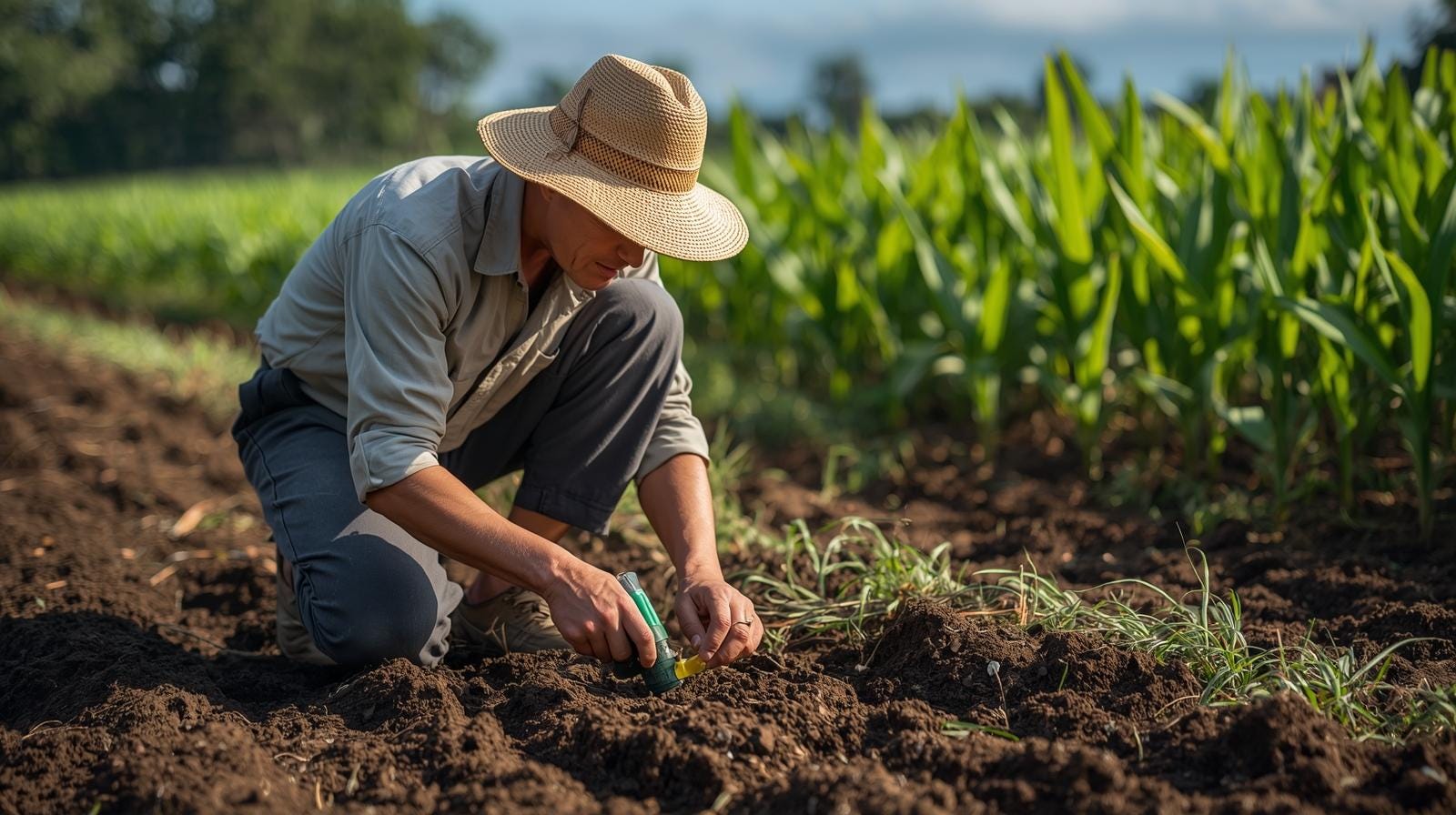
That is where Brazil’s AgTech ecosystem comes in. Startups developing soil carbon sensors, satellite analytics, and digital farm management tools are laying the groundwork for a new level of transparency. The country’s success will depend on MRV: measurement, reporting, and verification, which in turn depends on digitization at scale. Without reliable data from farms, it’s impossible to track carbon gains, certify practices, or attract the capital these transitions need.
AgTech makes that possible. It connects fields to finance, translating what happens in the soil into data that banks, buyers, and regulators can trust. These tools are quickly becoming the backbone of Brazil’s climate strategy, not add-ons, but core to how the system works.
If Brazil can measure and verify carbon and land restoration at scale, it will not just hit its NDC targets, it could monetize them. Verified data becomes a new kind of asset, flowing through carbon markets, credit programs, and trade deals. That is how a climate promise starts to turn into a business case.
Hot Seat
Hosting a COP brings prestige, but also pressure. When the world meets in Belém, Brazil will need to show more than ambition. It will need results: hectares restored, methane curbed, credit aligned with climate goals. The government’s new climate-agriculture plan ties these pieces together, bridging what used to be separate silos of farm policy, environmental protection, and rural finance.
That integration is long overdue. For decades, agricultural growth and conservation were seen as conflicting goals. Subsidies rewarded expansion, not regeneration. Compliance rules punished farmers but rarely helped them change. The new approach flips that logic: reward performance, measure outcomes, and make climate-smart farming the norm, not the exception.
If it works, Brazil could become the world’s case study for tropical decarbonization, proof that a global breadbasket can also be a carbon sink. The timing helps. Global buyers are tightening import rules on deforestation and emissions, and food companies are scrambling to verify their supply chains. What once felt like compliance is now a competitive edge. The idea of sustainability as a cost is fading fast, replaced by a simple reality: in global trade, it’s fast becoming the price of entry.

Money Talks
Every NDC looks tidy on paper. The real question is who pays. Meeting Brazil’s land-use goals will take tens of billions in investment, but the financing architecture is starting to take shape. Fiagro funds, carbon markets, and sustainability-linked loans are turning policy ambition into private-sector opportunity.
Think of soil carbon as a new form of collateral. The more carbon a farmer stores, the better the credit terms. Satellites confirm pasture recovery, algorithms verify compliance, and carbon credits become tradable assets. It’s not theory, pilots are already underway.
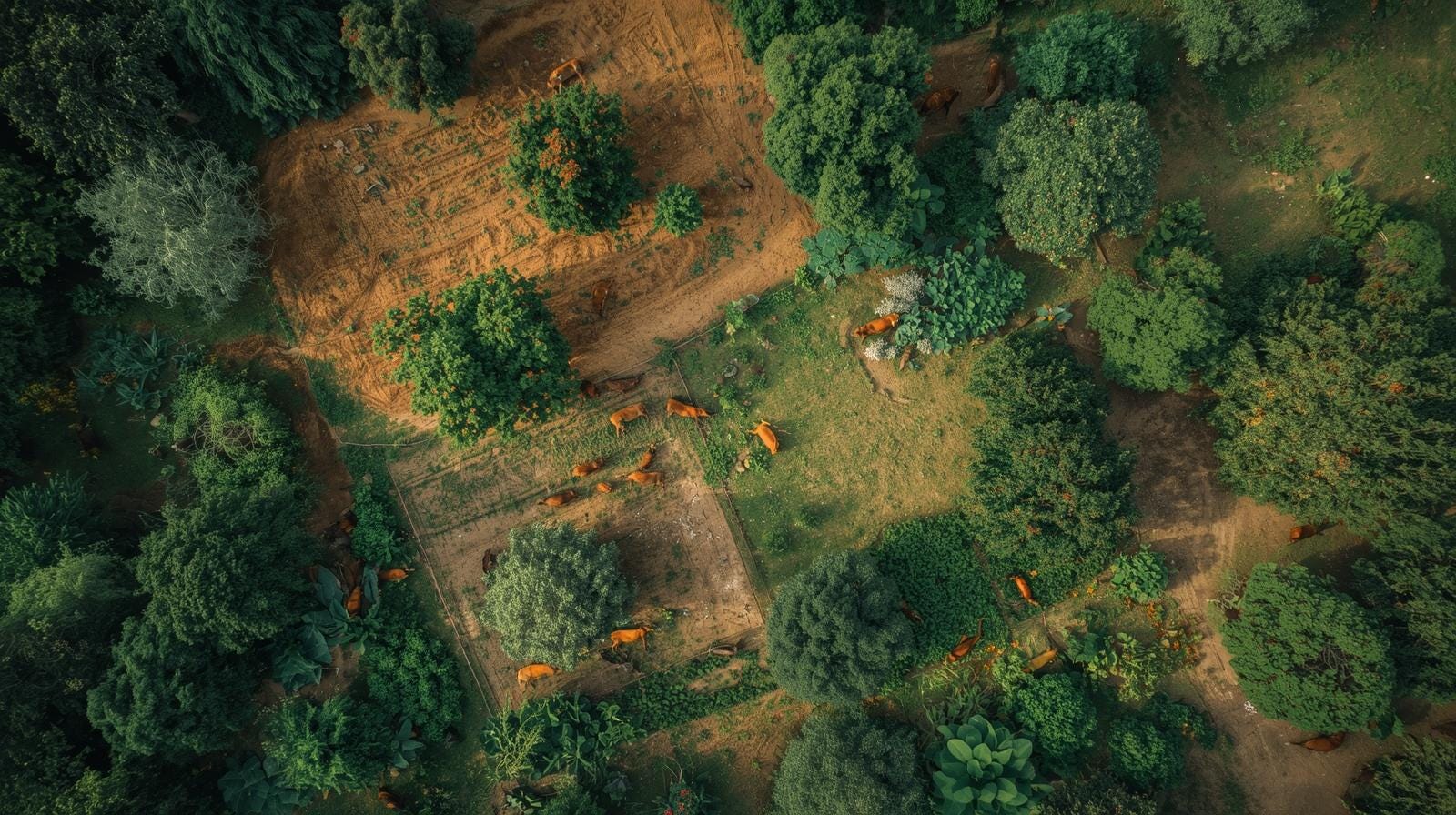
The Cerrado region offers a glimpse of what’s possible. Once dismissed as degraded pastureland, it’s now home to innovative projects that mix crops, cattle, and trees, regenerating soil, cutting emissions, and improving yields. Farmers are earning premiums for practices that used to cost them money.
But the green transition has to include everyone. Large farms have the capital and technology to move first. Smaller producers need access to credit and training to follow. If climate finance stops at the top of the pyramid, Brazil’s climate leadership loses its moral base. A real transition means innovation and inclusion growing side by side.
A New Leaf
For decades, Brazil’s agriculture story was about expansion. Now it’s about renewal. If the goals in its NDC become measurable, financed, and farmer-led, the country could move from climate risk to climate leadership.
When the delegates fly home from Belém, the real work will begin, not in meeting halls, but in the red soils of Mato Grosso and the sandy pastures of Bahia. Progress will depend on what happens in those fields, how fast farmers can adopt new tools, access fair credit, and prove results that count.
The next chapter of Brazil’s climate story will not be written in reports or speeches. It will be written in data, in soil, and in the decisions farmers make each season. Growth and regeneration can share the same ground. The world will be watching to see if Brazil can show how.
Thanks for reading.
KFG
Kieran Finbar Gartlan is an Irish native with over 30 years experience living and working in Brazil. He is Managing Partner at The Yield Lab Latam, a leading venture capital firm investing in Agrifood and Climate Tech startups in Latin America.