


In Brazil AgTech news this week, BioinFood secures US$1.6 million to develop AI-assisted yeast biologicals, Ibama promises faster bioinput reviews, Corteva positions Brazil as a global biologicals hub, and agricultural drone growth runs into a shortage of qualified operators.
In Climate Tech, IKEA backs regenerative coffee research in the Cerrado Mineiro, a Mato Grosso carrier invests US$100 million in electric grain trucks, improved pollination could add US$840 million annually to São Paulo agriculture, Brazil designs a tradable SAF certificate, and regenerative sugarcane delivers promising early results.
In Funding & M&A, BioFirst takes full control of Biotrop, the latest Eco Invest auction could direct US$10 billion into green industry, and Möbius uses an unusual farm buyback structure to restructure distressed agricultural credit.
And in Macro & Markets, BHP targets Brazil with output from its US$15.3 billion Canadian potash project, rural judicial recoveries rise 66%, and Fiagro issuance accelerates as Brazil’s CRA market contracts.
AgTech
BioinFood Secures US$1.6m to Develop AI-Assisted Yeast Biologicals
Ibama Promises Faster Bioinput Reviews Once New Law Is Regulated
Corteva Positions Brazil as a Global Biologicals Hub
Agricultural Drone Growth Runs into Operator Shortage
Climate Tech
IKEA Backs Regenerative Coffee Research in the Cerrado Mineiro
Mato Grosso Carrier Invests US$100m in Electric Grain Trucks
Closing São Paulo’s Pollination Gap Could Add US$840m Annually
Brazil Designs Tradable Certificate for Sustainable Aviation Fuel
Regenerative Sugarcane Trial Links Higher Costs to Higher Yields
Funding & M&A
BioFirst Takes Full Control of Brazilian Biologicals Company Biotrop
Eco Invest Auction Channels Up to US$10bn into Green Industry
Möbius Uses US$28m Farm Buyback Structure for Distressed Credit
Macro & Markets
BHP Positions US$15.3bn Potash Mine for Brazil’s Market
Rural Judicial Recoveries Rise 66% as Credit Stress Deepens
Fiagro Issuance Surges as Brazil’s CRA Market Contracts
AgTech
BioinFood Secures US$1.6 Million to Develop AI-Assisted Yeast Biologicals — BioinFood has secured US$1.6 million in Finep financing for a three-year program using metabolic engineering and AI to develop yeast-derived molecules for agricultural biologicals. The company wants to use yeast as a production platform for biofertilizers, biostimulants and biocontrol products, moving from laboratory proof of concept into greenhouse and field trials. It also plans to offer its platform as an R&D service to agricultural-input manufacturers. Source: AgFeed
Ibama Promises Faster Bioinput Reviews Once New Law Is Regulated — Ibama says environmental reviews for bioinputs currently take around six months, half the statutory limit, and could become faster once Brazil completes the regulation of its Bioinputs Law. The agency’s workload has increased by more than 70% in four years as biological products gain market share. Clearer responsibilities and procedures could shorten development timelines, although the implementing decree was still awaiting publication. Source: AgFeed
Corteva Positions Brazil as a Global Biologicals Hub — Corteva plans to use Brazil as a development and export platform for biological products as it integrates Stoller and Symborg into its global crop-protection business. The company has 12 new technologies in its Brazilian pipeline, including five biological products, and expects biologicals to account for one-third of the global crop-protection market within a decade. Brazil’s scale, year-round cropping and high adoption make it an important testing and commercialization base. Source: AgFeed
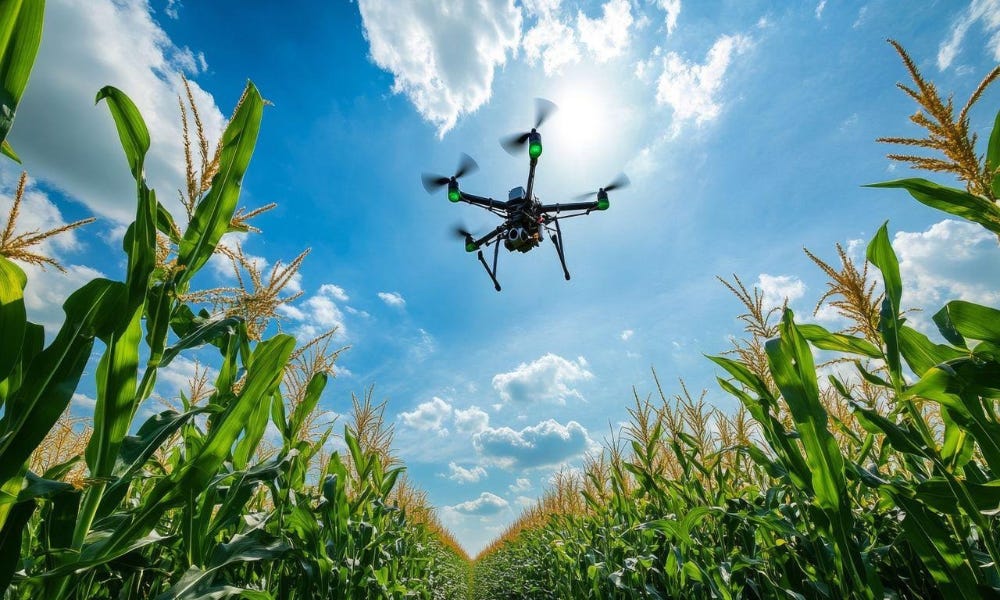
Agricultural Drone Growth Runs into Operator Shortage — Brazil has around 13,000 officially registered agricultural drones, although industry estimates suggest the operating fleet may already exceed 60,000. Adoption is accelerating as larger models carry up to 300 litres, but a survey of 40 companies found that 85% struggle to recruit qualified operators. Training and regulation could therefore become bigger constraints than hardware as drones take on more spraying and field-management tasks. Source: InfoMoney
Climate Tech
IKEA Backs Regenerative Coffee Research in the Cerrado Mineiro — IKEA has invested approximately US$580,000 in a project studying the environmental and productive benefits of regenerative coffee farming. Managed by Rainforest Alliance with the monteCCer cooperative, the initiative covers 11 producers and 1,100 hectares, using soil biology, carbon cycling and pest monitoring to evaluate different practices. The project, which began in late 2024, has been extended for another year, while IKEA considers purchasing coffee from participating farms. Source: The AgriBiz
Mato Grosso Carrier Invests US$100 Million in Electric Grain Trucks — Grupo Navarini plans to deploy 251 electric heavy trucks from 2027 on grain routes connecting Mato Grosso with northern export terminals. The vehicles will travel distances of up to 1,400 kilometres, supported by dedicated charging infrastructure. The investment will create Latin America’s largest heavy electric-truck fleet and test whether electrification can work on the long, remote routes that underpin Brazil’s grain exports. Source: AgFeed
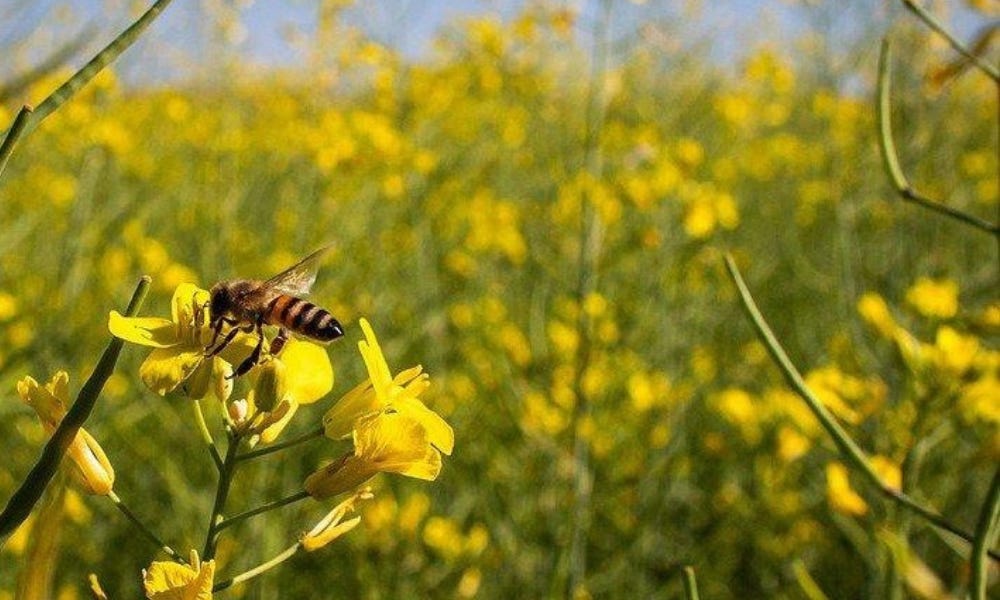
Closing São Paulo’s Pollination Gap Could Add US$840 Million Annually — Improving crop pollination could add approximately US$840 million a year to São Paulo’s agricultural production, according to research involving BIOTA Síntese, USP and state environmental authorities. The study highlights the economic value of maintaining native vegetation and pollinator habitats close to farms. São Paulo is also expanding stingless-bee colonies in protected areas and supporting beekeeping through environmental-payment programs. Source: Fundação Florestal
Brazil Designs Tradable Certificate for Sustainable Aviation Fuel — Brazilian regulators are developing the CS-SAF certificate to record the volume, feedstock, production process and carbon intensity of sustainable aviation fuel. Its book-and-claim structure would allow airlines and companies to buy the environmental benefits separately from the physical fuel, potentially expanding demand for ethanol, vegetable oils and agricultural residues. Final rules must still address exports, corporate buyers and the risk of counting the same emissions reduction twice. Source: Capital Reset
Regenerative Sugarcane Trial Links Higher Costs to Higher Yields — Beggio Lorenzo reported sugarcane productivity of 129 tonnes per hectare after introducing biological inputs, crop rotation, soil restoration and agroforestry elements across a 300-hectare operation. The company spends more on regenerative management but says improved yields generated a 35% return on the additional investment. The results offer a useful commercial case study, although they are self-reported by a single farming business without an independent comparison group. Source: AgFeed
Funding & M&A
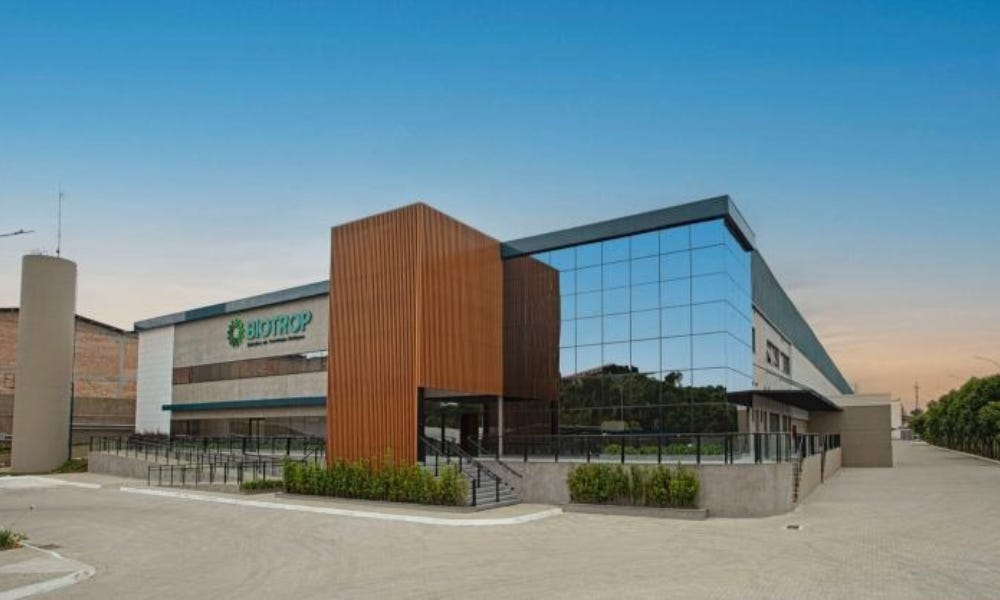
BioFirst Takes Full Control of Brazilian Biologicals Company Biotrop — Belgium’s BioFirst Group has acquired the remaining 14.71% of Biotrop, completing the takeover that began with its US$560 million purchase of approximately 85% in 2023. Full ownership gives BioFirst control of one of Brazil’s largest biological-input platforms, with capacity to produce 23 million litres of bacteria-based products and 600 tonnes of fungi annually. The value of the latest transaction was not disclosed. Source: AgFeed
Eco Invest Auction Channels Up to US$10 Billion into Green Industry — Brazil’s latest Eco Invest auction combined US$2.6 billion in public catalytic capital with proposed private commitments of US$7.3 billion. Winning banks plan to finance green fertilizers, bioinputs, alternative proteins, sustainable aviation fuel, biomaterials and industrial decarbonization. At least 10% must support technology development, university partnerships or international technology acquisition. The US$10 billion represents potential mobilization rather than money already deployed. Source: Capital Reset
Möbius Uses US$28 Million Farm Buyback Structure for Distressed Credit — Möbius Capital has acquired a 4,000-hectare farm in Sinop through a Fiagro, an investment fund focused on agriculture, while giving its financially distressed former owner four years to repurchase the property. The producer entered judicial recovery with approximately US$27 million in debt, and the farm is now leased to third parties. The structure combines land ownership, leasing and a potential business recovery in a single transaction. Source: AgFeed
Macro & Markets
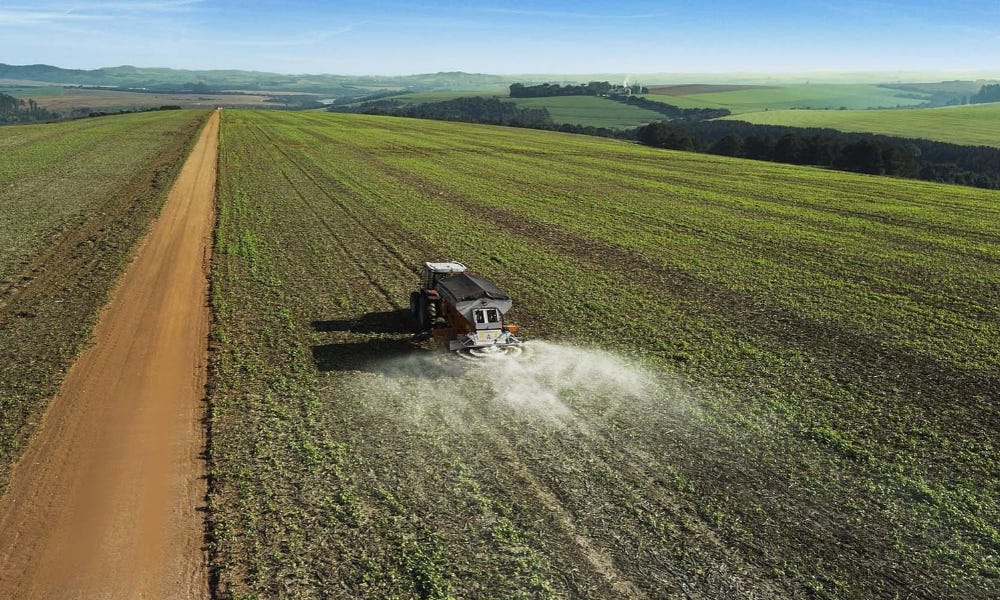
BHP Positions US$15.3 Billion Potash Mine for Brazil’s Market — BHP sees Brazil as a priority market for output from its Jansen potash project in Canada, which is expected to reach annual capacity of 8.5 million tonnes after both stages are fully operational. Brazil consumes approximately 13.5 million tonnes of potash annually and imports 96%, leaving farmers exposed to exchange rates, logistics and geopolitical disruptions. BHP has not yet disclosed firm supply contracts or the volume destined for Brazil. Source: AgFeed
Rural Judicial Recoveries Rise 66% as Credit Stress Deepens — Some 1,263 Brazilian farmers entered judicial recovery—a court-supervised debt restructuring process—during the first half of 2026, an increase of 66% from the previous year. Opea expects cases to peak between late 2026 and early 2027 as high interest rates, tighter credit and weak commodity margins affect farm cash flow. Rising defaults could constrain new lending and increase consolidation among producers and agricultural suppliers. Source: AgFeed
Fiagro Issuance Surges as Brazil’s CRA Market Contracts — XP expects issuance of CRAs—securities backed by agricultural receivables—to fall to roughly one-third of its 2025 level, while Fiagro agricultural-fund issuance increased 128% to US$792 million in the first four months of 2026. Investors are moving towards managed funds that offer diversified portfolios and stronger oversight as concerns about defaults grow. The change could reshape how private capital reaches agricultural businesses. Source: AgFeed
More than 3,500 investors, founders and agriculture executives follow the future of Brazilian agriculture with BAR Brief.
Kieran Finbar Gartlan is an Irish native with over 30 years of experience living and working in Brazil. He is Managing Partner at The Yield Lab Latam, a leading venture capital firm investing in Agrifood and Climate Tech startups across Latin America.