


Hi, I’m Kieran Gartlan, Managing Partner at The Yield Lab Latam, ranked second in the world last year for AgTech investments. If you’re interested in learning more about Brazil’s AgTech opportunity, feel free to reach out.
In Brazil AgTech news this week, AI and satellite imagery cut cotton field inspections by 75%, Caatinga biome fungi show promise for heat-resistant biofungicides, Mantiqueira invests in automation and AI to expand egg production, and Rio Grande do Sul lets farmers issue animal-transit documents through WhatsApp.
In Climate Tech, Mato Grosso’s biomass-policy reversal threatens a R$10 billion forestry expansion, Brazil’s agricultural transition could require US$511 billion, the country prepares to introduce its SAF mandate, and forest-compatible production receives just 0.4% of agricultural credit.
In Funding & M&A, COFCO buys Bunge’s remaining Brazilian sugar mills, Celcoin acquires VERT, Raízen completes its US$1.42 billion Argentine divestment, and 3Corações closes its US$160 million acquisition of Yoki and Kitano.
And in Macro & Markets, an EU embargo disrupts US$1.84 billion in Brazilian animal-product exports, rural-insurance reform heads for presidential sanction, and soaring sulfur costs threaten Brazil’s phosphate-fertilizer supply.
AgTech
AI Cuts Cotton Inspections by 75%
Caatinga Biome Fungi Show Biofungicide Potential
WhatsApp AI Simplifies Animal-Transit Documents
Mantiqueira Automates Egg Expansion
Climate Tech
Biomass Reversal Threatens R$10 Billion Forestry Plan
Brazil’s Agricultural Transition May Cost US$511 Billion
SAF Mandate Could Initially Cover 12 Airlines
Forest-Compatible Farming Gets Just 0.4% of Agricultural Credit
Funding & M&A
COFCO Buys Bunge’s Brazilian Sugar Mills
Celcoin Acquires VERT and Enters Structured Credit
Raízen Completes US$1.42 Billion Argentine Exit
3Corações Completes US$160 Million Yoki Acquisition
Macro & Markets
EU Embargo Hits US$1.84 Billion in Brazilian Exports
Rural-Insurance Reform Heads for Presidential Sanction
Sulfur Shock Threatens Brazil’s Fertilizer Supply
AgTech
AI cuts cotton field visits by 75% — Picsel and Bureau Veritas have replaced three of four physical field visits with satellite imagery and AI, while retaining one in-person measurement for validation. During its first operating season, the system evaluated 10,267 cotton fields and has now processed more than 800,000 hectares across six Brazilian states. The models, trained on over 12,000 field samples, reportedly achieved an average error below 0.5 plants per metre. Source: Portal do Agronegócio
Caatinga biome fungi show biofungicide potential — Embrapa researchers identified 14 native Trichoderma isolates capable of suppressing five crop pathogens while tolerating the high temperatures of Brazil’s semi-arid region. Some reduced pathogen growth by more than 70%, while others produced over 1.4 billion spores per gram of substrate—an important factor for commercial-scale manufacturing. The findings could support biological products that remain effective under hotter and drier conditions, although field trials are still required. Source: Revista Cultivar
WhatsApp AI simplifies animal-transit documents — Farmers in Rio Grande do Sul can now use GurIA, the state government’s conversational-AI assistant, to issue the mandatory Guia de Trânsito Animal for horses, ponies and donkeys directly through WhatsApp. Producers can also consult, release, cancel and obtain copies of existing permits for other species. The service offers a practical example of AI reducing rural bureaucracy through a platform farmers already use. Source: O Presente Rural
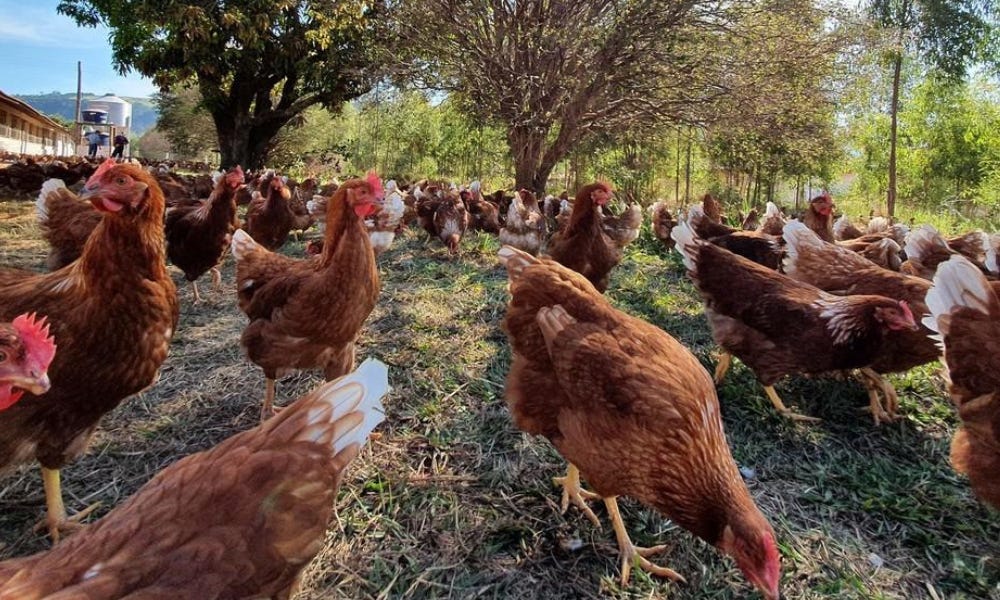
Mantiqueira invests US$113 million in egg expansion — JBS-controlled Mantiqueira plans to increase annual production capacity by 50%, from four billion to six billion eggs, by 2028. The investment includes new and expanded farms, digitalization, AI and automated equipment capable of grading 200,000 eggs per hour. It will also expand cage-free production and an integration program expected to involve approximately 120 small farmers. The company did not disclose how AI will be used. Source: AgroTimes
Climate Tech
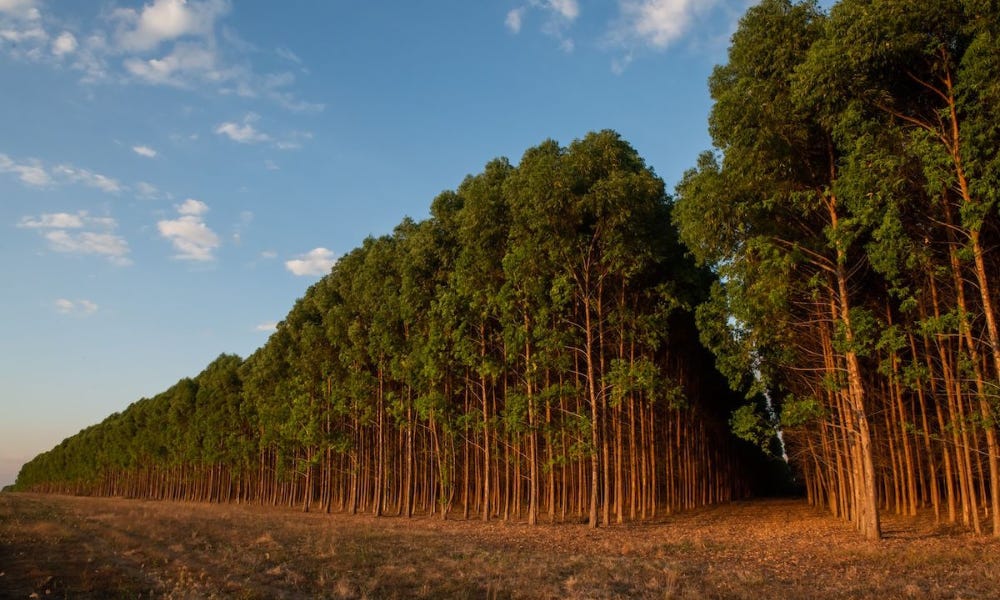
Biomass reversal threatens US$2 billion forestry plan — Mato Grosso has suspended an agreement intended to phase out native wood use by corn-ethanol plants by 2035, leaving investors uncertain about future biomass rules. The forestry industry estimates that meeting demand with renewable eucalyptus would require approximately US$2 billion and expand planted area from 165,000 to 400,000 hectares by 2030. The state is considering allowing large consumers to continue sourcing up to 5% of their biomass from native vegetation. Source: Forbes Brasil
Brazil’s agricultural transition may cost US$511 billion — A study by Cebrap and ClimaInfo estimates that transforming Brazil’s food and agricultural system will require cumulative investment of between US$268 billion and US$511 billion by 2050. Priorities include restoring degraded pastures, expanding integrated crop-livestock-forestry systems, green rural credit, agroforestry, traceability and climate-resilient infrastructure. The figures are scenario-based estimates rather than an official government investment requirement. Source: Brasilagro
SAF mandate could initially cover 12 operators — Brazil’s aviation regulator estimates that 12 airlines, cargo carriers and air-taxi operators could fall under the country’s sustainable aviation fuel program in 2027. The proposed threshold covers operators emitting more than 10,000 tonnes of CO₂ annually on domestic flights. ProBioQAV will initially require a 1% emissions reduction, creating demand for SAF made from agricultural residues, ethanol and vegetable oils. The threshold and compliance rules are still being finalized. Source: Capital Reset
Green credit receives just 0.4% of agricultural lending — Only 0.4% of Brazil’s agricultural credit went to socio-environmental Pronaf programs supporting agroecology, bioeconomy and forest production during the 2023/24 season, according to research published in PLOS Climate. The authors argue that Amazonian producers lack adequate access to finance for businesses that depend on maintaining standing forests, leaving potentially viable production systems reliant on philanthropy and international cooperation. Source: Neo Mondo
Funding & M&A
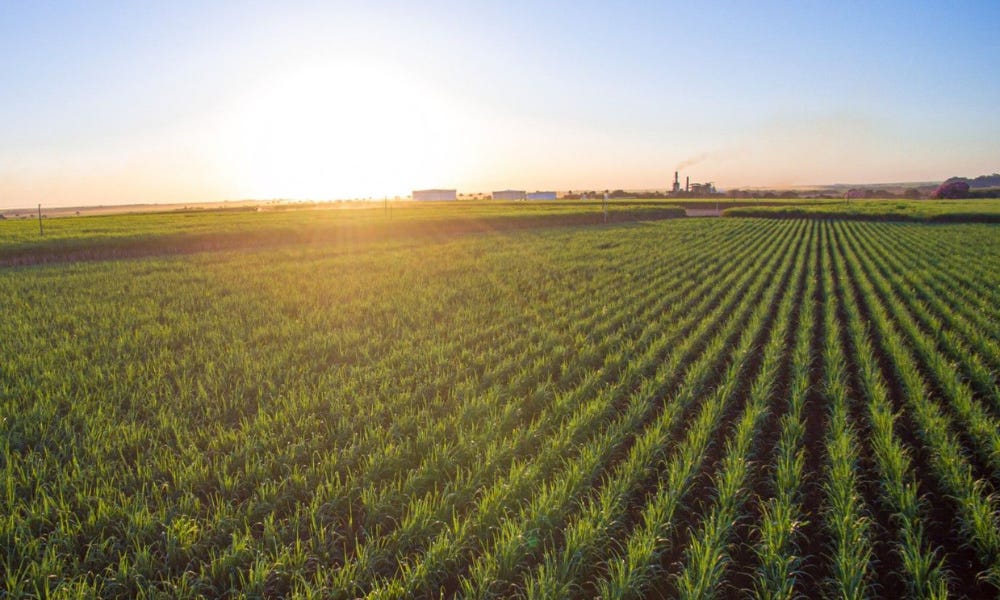
COFCO buys Bunge’s Brazilian sugar mills — COFCO International agreed to acquire the Rio Vermelho and Nova Unialco mills in São Paulo, adding seven million tonnes of annual sugarcane-crushing capacity. The deal will increase COFCO’s Brazilian capacity from 18.5 million to 25.5 million tonnes and marks Bunge’s exit from domestic sugarcane processing. The purchase price was not disclosed, and completion remains subject to regulatory approval. Source: Forbes Brasil
Celcoin acquires VERT and enters structured credit — Financial-infrastructure company Celcoin acquired VERT Capital, expanding into securitization, fiduciary administration and structured-fund management. VERT has approximately US$19 billion under administration and works with instruments including FIAGRO, CRA and rural-credit funds. The combination could strengthen the infrastructure used to originate and distribute agricultural credit outside conventional banks. The purchase price was not disclosed. Source: Startups.com.br
Raízen completes US$1.42 billion Argentine exit — Raízen completed the sale of its Argentine downstream operations to companies controlled by Mercuria Energy. The consideration combines cash with the assumption of local debt and remains subject to customary post-closing adjustments. Proceeds will support Raízen’s effort to reduce leverage and concentrate capital on priority markets, potentially improving its capacity to invest in Brazilian sugar, ethanol and bioenergy operations. Source: NP Agro
3Corações completes US$160 million Yoki acquisition — 3Corações completed its purchase of General Mills’ Brazilian operations, including the Yoki and Kitano brands and factories in Minas Gerais and Mato Grosso. The acquisition takes Brazil’s leading coffee company into categories including grains, flour, popcorn, farofa and seasonings, while expanding its workforce to approximately 12,700 people and its distribution footprint to more than 600,000 retail outlets. Source: Food Forum
Macro & Markets
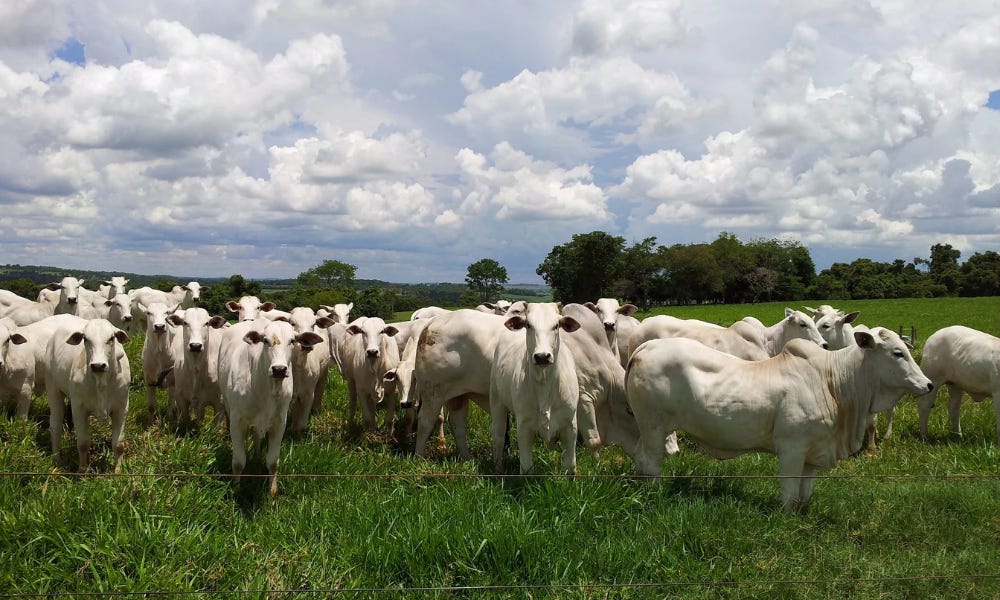
EU embargo hits US$1.84 billion in Brazilian exports — The European Union suspended imports of Brazilian beef, poultry, eggs and other animal products after deciding that Brazil had not provided sufficient guarantees regarding prohibited antimicrobials. Beef accounted for US$1.05 billion of the affected 2025 trade and poultry for US$763 million. The restriction reflects concerns about national monitoring and certification—not evidence that prohibited residues were found in Brazilian meat. Source: AgroTimes
Rural-insurance reform heads for presidential sanction — Brazil’s Senate approved legislation making premium subsidies mandatory within the annual budget, establishing deadlines for processing and paying claims, and allowing insurance policies to serve as rural-credit guarantees. The bill could also expand private participation in the country’s long-delayed catastrophe fund. However, most of the US$240 million proposed for the program in 2027 remains dependent on fiscal measures before it can be released. Source: CNN Brasil
Sulfur shock threatens Brazil’s fertilizer supply — Sulfur prices climbed from approximately US$80 per tonne in 2024 to a peak of US$1,200 before easing to around US$800. Global exports fell almost 40% during the first half of 2026, increasing costs for phosphate fertilizers such as MAP and DAP. Rabobank expects phosphate affordability to remain under pressure until at least July 2027, potentially encouraging Brazilian farmers to reduce applications and draw down nutrients stored in their soils. Source: Exame
That’s all for this week, thanks for reading,
KFG
Kieran Finbar Gartlan is an Irish native with over 30 years of experience living and working in Brazil. He is Managing Partner at The Yield Lab Latam, a leading venture capital firm investing in Agrifood and Climate Tech startups across Latin America.