


How farming contexts shape technology adoption — and why connection matters more than competition.
Ground Differences
For most farmers, technology isn’t about comfort — it’s about continuity. They adopt it to solve the problems that threaten their ability to keep farming. But the problems farmers face — and what they need technology for — change from place to place.
In developing countries, the toughest challenges often lie beyond the farm gate: access to credit, infrastructure, logistics, markets, and reliable data. In developed markets, the pressures sit inside it — labour shortages, ageing farmers, limited land, unpredictable weather, and questions of succession.
That difference explains why farm innovation takes such different forms from one country to another. In Brazil, technology is focused on connection — building the rails that link farmers to finance, buyers, and information. In Ireland, it’s about continuity — keeping family farms viable when hands are few and hours are long. Both are stories of necessity, just told in different languages.
Generation Change
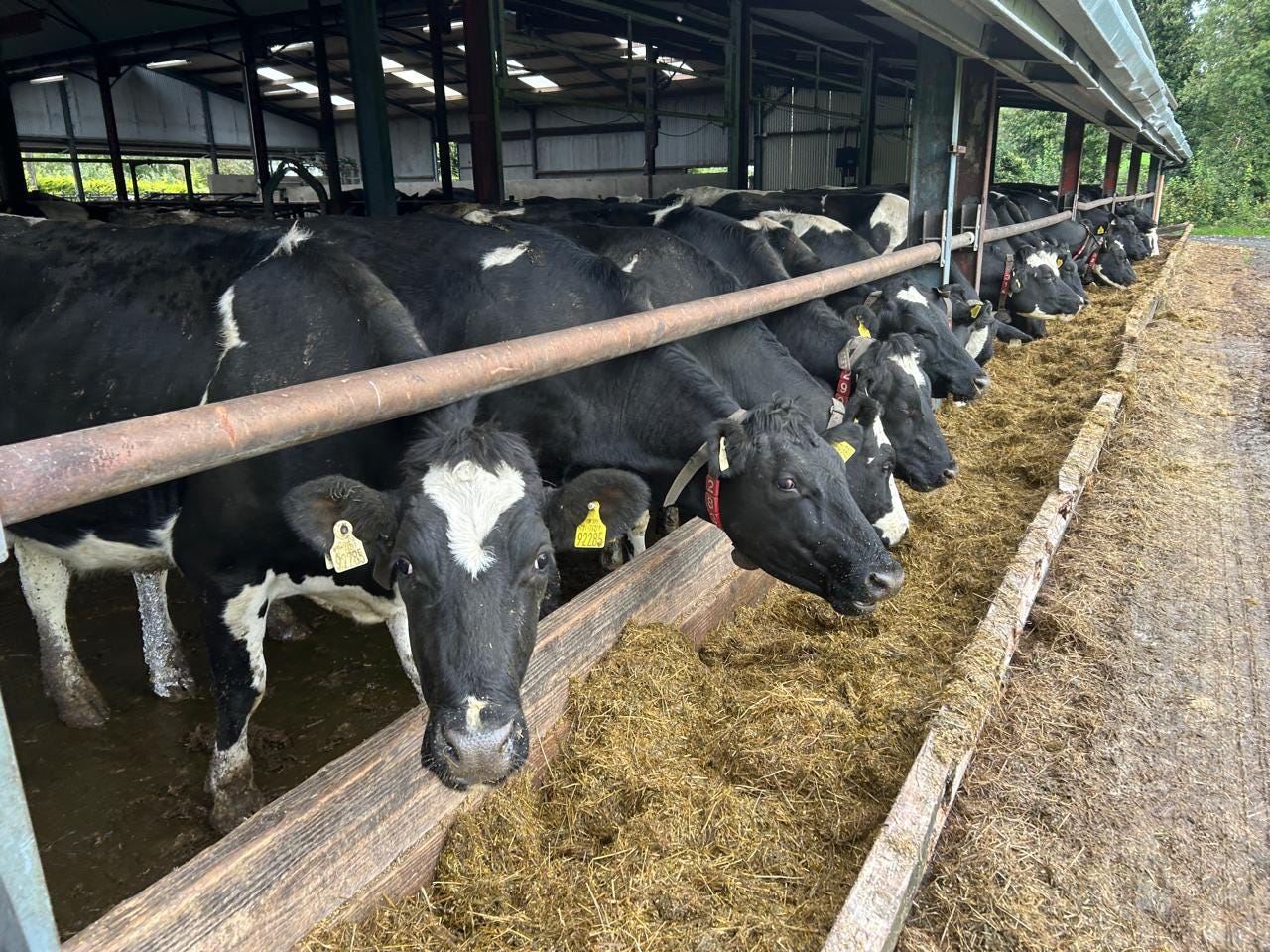
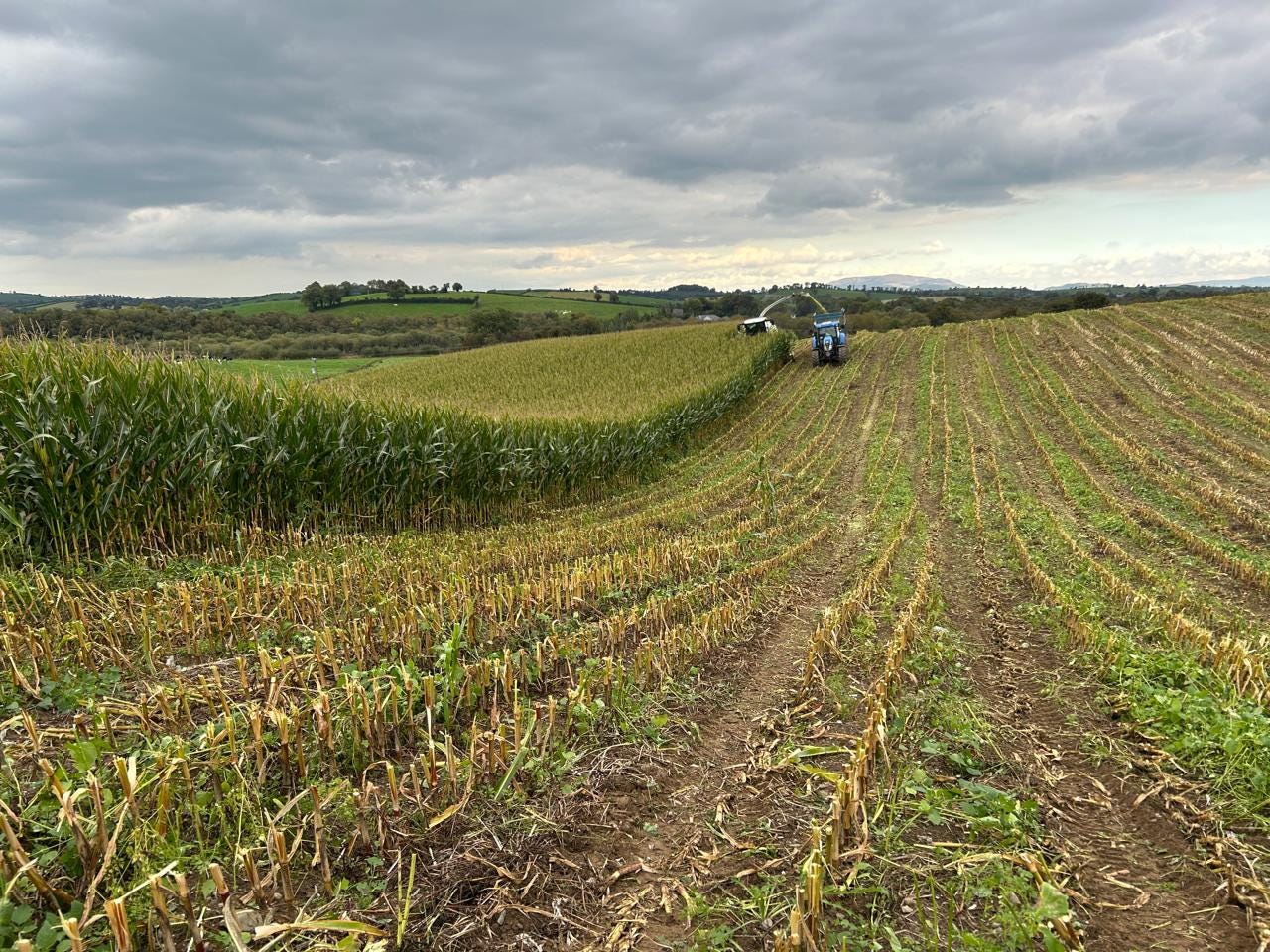
I was back home in Ireland over the past two weeks, visiting family in County Monaghan. The landscape there is made of low rolling hills and heavy grey soil — not great for crops, but perfect for grass, which makes it ideal for dairy and beef. It’s a region shaped by livestock and weather, where herds and hedgerows mark time better than any calendar.
My grandfather started farming here in the 1930s with horses and a few cows, mostly for subsistence. My father took over in the 1960s, expanded the herd, bought tractors, and installed a herringbone milking parlour. Each generation added a layer of technology and a bit more business thinking.
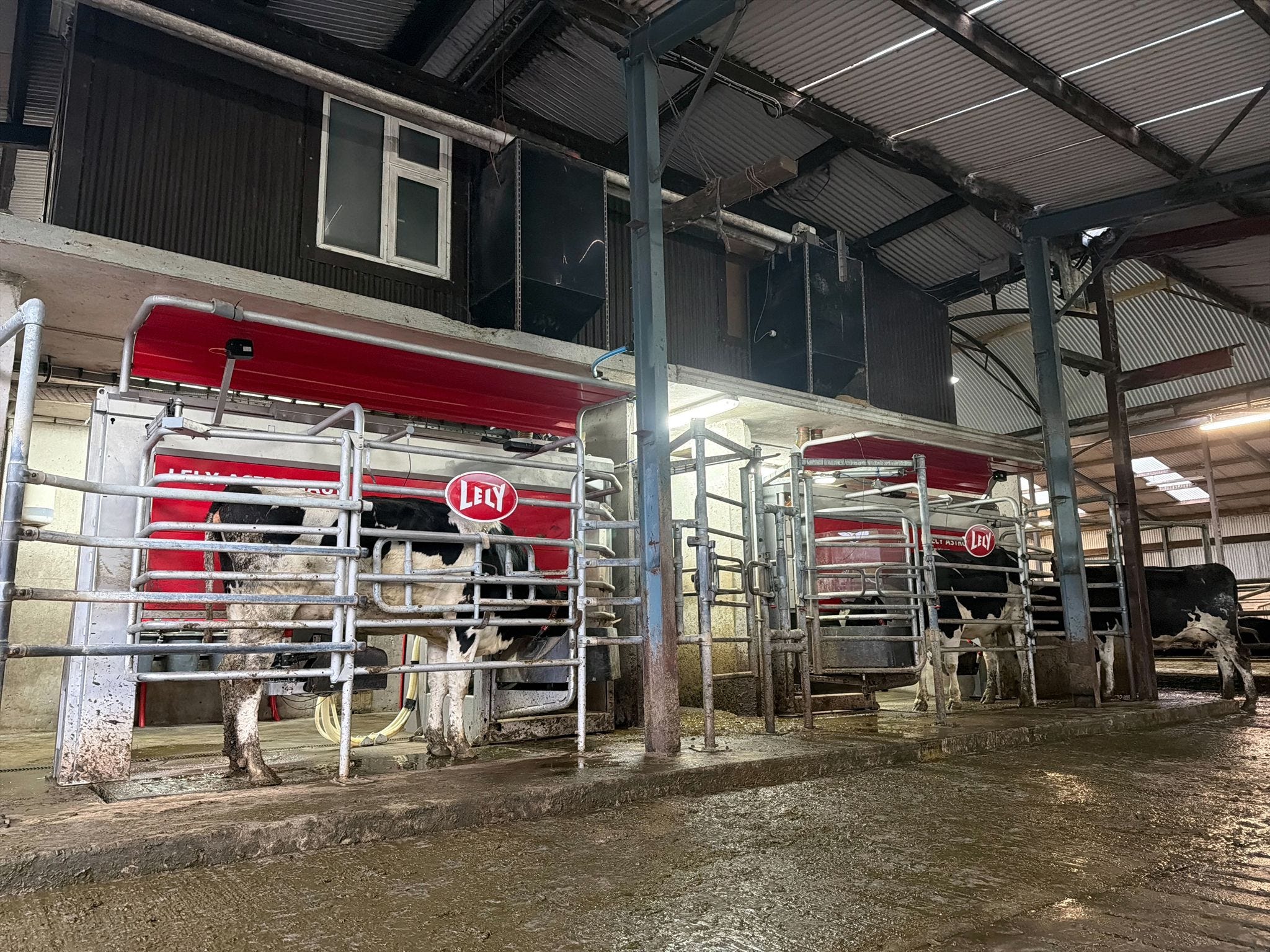
Now my brother runs the farm. He’s kept the same fields, the same rhythm, but the tools have changed. The barns are wired with sensors, and the hum of the milking robot has replaced the clank of machines. What began as survival has become strategy — using technology not to grow bigger, but to stay viable.
New Routine
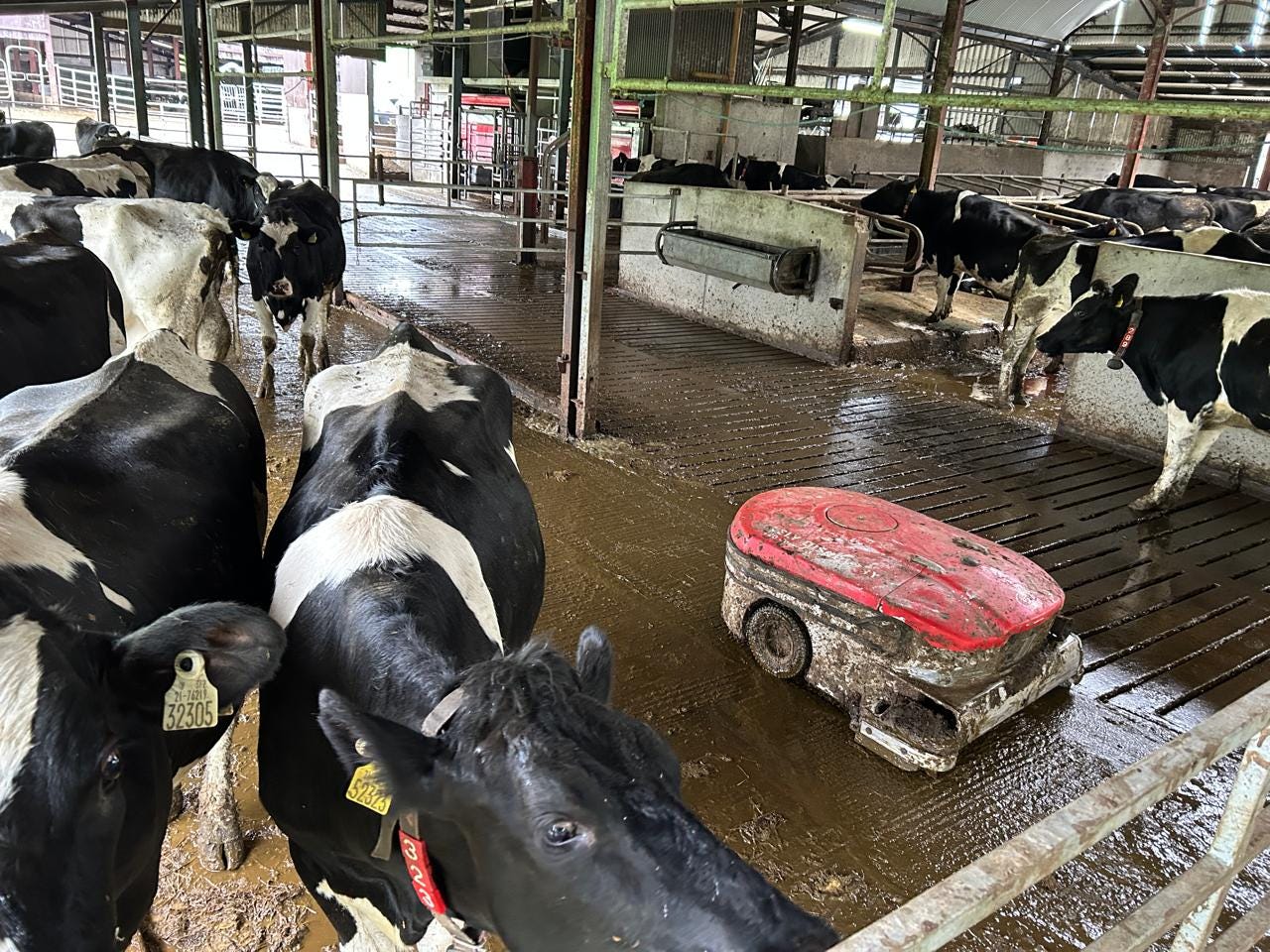
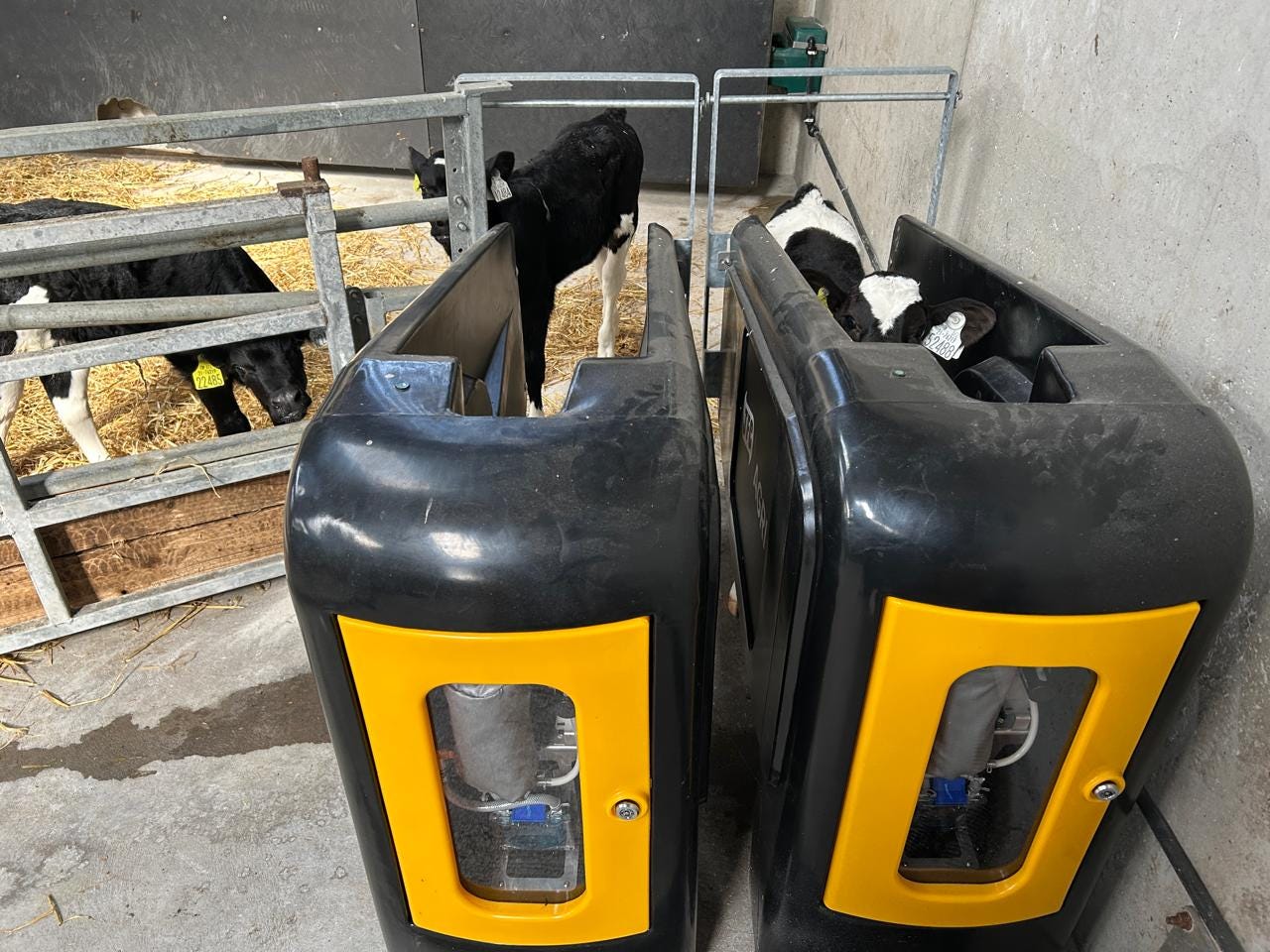
Walking through the yard, the changes are everywhere. The old parlour stands beside a small room where the robot milks cows quietly around the clock. Calves drink from automatic feeders that scan their tags and ration milk. The floors are scraped clean by another slow-moving robot that never complains.
The cows set their own pace now, wandering in for milking when they choose. The farm feels calmer, cleaner, and more efficient. But the work hasn’t disappeared — it’s just different. My brother spends more time checking dashboards than hoses, more time on maintenance than muscle. When something breaks, it’s usually a sensor, not a chain.
In Brazil, where labor is still more available and sunlight lasts all year, I often see the opposite challenge — too much land, not enough data. Farmers here are rich in natural resources but often constrained by credit, logistics, and information flow. Where Ireland’s bottleneck is labor, Brazil’s is connection.
On my brother`s farm contractors now handle the heavy work — silage, slurry, reseeding — which keeps the operation lean. Labour is scarce and expensive, and like many small Irish farms, succession is uncertain. My brother’s only son helps on weekends but isn’t sure he wants to farm full-time. Robots fill that gap. Once you see the time they save each day, there’s no going back.
Counting Cows
While home, I also visited Ireland’s agricultural research centre, Teagasc, in County Cork, where I met with researchers and advisors including Donagh Berry, Joe Patton, and Michael O’Donovan. Their work gives a glimpse into what’s happening beyond our own yard — and why even a highly digital dairy sector like Ireland’s still struggles with something as basic as accurate data collection.
Teagasc has some of the best pasture and feed models in the world. They can forecast growth rates and nutrient needs with impressive accuracy — at least on paper. The problem, the researchers explained, isn’t the technology. It’s the data.
Ireland produces plenty of information because farmers must record everything — herd numbers, breeding, pasture use, and emissions — for compliance or grants. But most of it is still entered manually, often late at night after the work is done. It’s enough for bureaucracy but not for decision-making. As one researcher put it, “The models are fine. It’s the inputs that fail us.”
That gap limits how much value technology can deliver. Farmers don’t resist digital tools; they simply have more urgent priorities. Until data entry becomes automatic — through sensors, voice input, or machine integration — the promise of digital farming will stay one step ahead of reality.
Common Pasture
The contrast between Ireland and Brazil agriculture is clear, but it doesn’t have to be a divide. In many ways, they could work better together than apart. Ireland brings depth in dairy systems, genetics, and pasture management. Brazil brings scale, sunshine, and the space to test new ideas. One refines, the other amplifies.
Ireland’s small, data-rich farms make it a perfect lab for precision and traceability tools. Brazil’s vast, diverse operations can stress-test those same innovations under real market pressure. Rather than competing, they could form a powerful cycle: ideas developed in Ireland, adapted and scaled in Brazil, and improved again through feedback and data.
The human bridge is already there. Nearly 100,000 Brazilians now live in Ireland — the second-largest foreign community in the country. They’ve found familiarity in the landscape, the humour, and the rhythm of life. Both cultures are welcoming, down-to-earth, and hardworking, with a shared sense that progress means pulling together.
In the end, the two farming worlds have more in common than their distance suggests. Both are proud agricultural nations learning to blend tradition with technology, resilience with renewal. Different horses, different courses — but grazing the same pasture.
Thanks for reading.
KFG
Kieran Finbar Gartlan is an Irish native with over 30 years experience living and working in Brazil. He is Managing Partner at The Yield Lab Latam, a leading venture capital firm investing in Agrifood and Climate Tech startups in Latin America.