


In AgTech news this week, Embrapa is using CRISPR to remove troublesome fine bones from tambaqui, a native Amazon fish widely farmed across the country. Brazil is becoming a global engineering centre for tropical farm machinery, while Syngenta is launching a service to bring disconnected farm data together.
In Climate Tech, Brazil is linking soil-management practices to crop-insurance subsidies, while corn-ethanol byproducts are improving the economics of feedlot cattle. Amazon states are pursuing forest-credit exports, and the biodiesel industry is making its case for B17.
In Funding & M&A, Bayer and Iwá are using future CBIO revenues to finance ethanol mills, Fazendão has secured temporary protection while restructuring $400 million of debt, BagLog is raising capital for its rural-logistics platform, and UPL is challenging Lavoro’s management in court.
And in Macro & Markets, the Senate is moving to examine Banco do Brasil’s agricultural-credit management, provisioning rules are restricting new lending to distressed farms, and Ambev plans to triple the reach of its southern Brazilian barley program.
AgTech
Embrapa Uses CRISPR to Remove Fine Bones from Farmed Amazon Fish
Brazil Becomes a Global Engineering Hub for Tropical Farm Machinery
Syngenta Launches Service to Integrate Disconnected Farm Data
Climate Tech
Brazil Links Soil Management to Crop-Insurance Subsidies
Corn-Ethanol Byproducts Accelerate Brazil’s Shift to Feedlot Cattle
Amazon States Push to Export Forest-Protection Credits
Biodiesel Industry Argues B17 Could Displace 1.4bn Litres of Imported Diesel
Funding & M&A
Bayer and Iwá Create CBIO-Backed Financing for Ethanol Mills
Fazendão Obtains 30-Day Protection to Restructure $400M of Debt
BagLog Opens $300k Round for Rural Logistics Platform
UPL Asks Court to Remove Lavoro Management
Macro & Markets
Senate Moves to Scrutinize Banco do Brasil’s Agricultural Credit Management
Provisioning Rules Make New Loans Uneconomic for Distressed Farmers
Ambev Targets Threefold Expansion of Its Southern Brazil Barley Program
AgTech
Embrapa Uses CRISPR to Remove Fine Bones from Farmed Amazon Fish — Embrapa researchers used CRISPR/Cas9 to deactivate a gene associated with the troublesome Y-shaped intermuscular bones found in tambaqui, Brazil’s most widely farmed native fish. The initial fish must still reproduce successfully before Embrapa can establish a stable line, with the first second-generation juveniles expected in 2027. The advance could make tambaqui safer to eat and considerably easier to process into fillets. Source: Embrapa
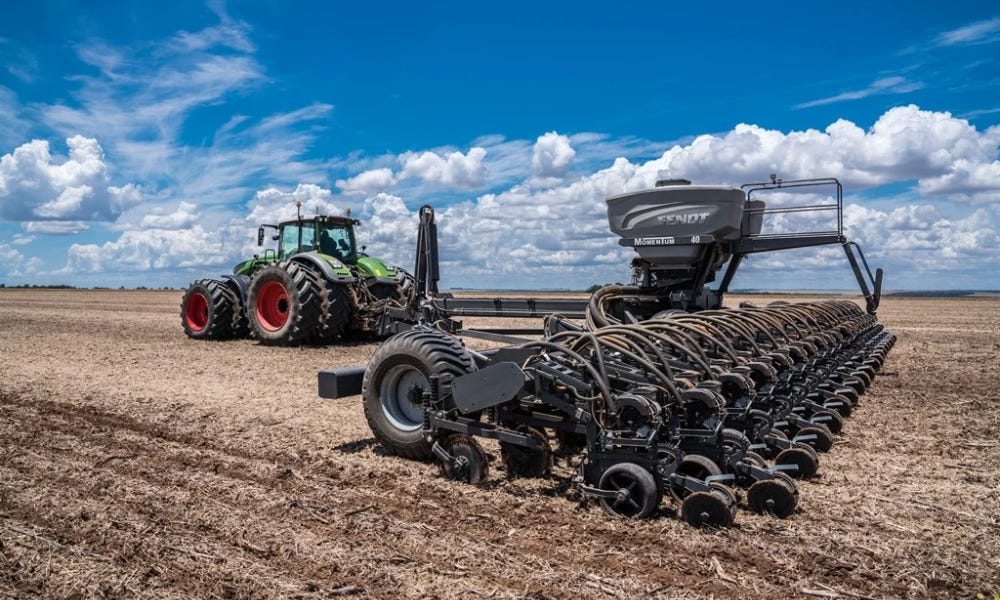
Brazil Becomes a Global Engineering Hub for Tropical Farm Machinery — AGCO has nearly doubled its Brazilian engineering operation over the past four years, giving local teams a larger role in developing machinery and precision technologies for Brazil and other tropical markets. Expertise developed locally is now being shared with operations in Argentina, Mexico, India and China, demonstrating how Brazil’s distinctive farming conditions can make it an exporter of agricultural engineering, not just commodities. Source: Revista Cultivar
Syngenta Launches Service to Integrate Disconnected Farm Data — Syngenta Digital has launched its Centro de Inteligência Agronômica for Brazilian users of Cropwise, connecting information from monitoring systems, machinery, applications, inventories and internal controls. Customized dashboards will help farms compare costs, agronomic performance and margins by field, addressing the persistent problem of farm technologies that generate plenty of data but do not communicate with one another. Source: Portal do Agronegócio
Climate Tech
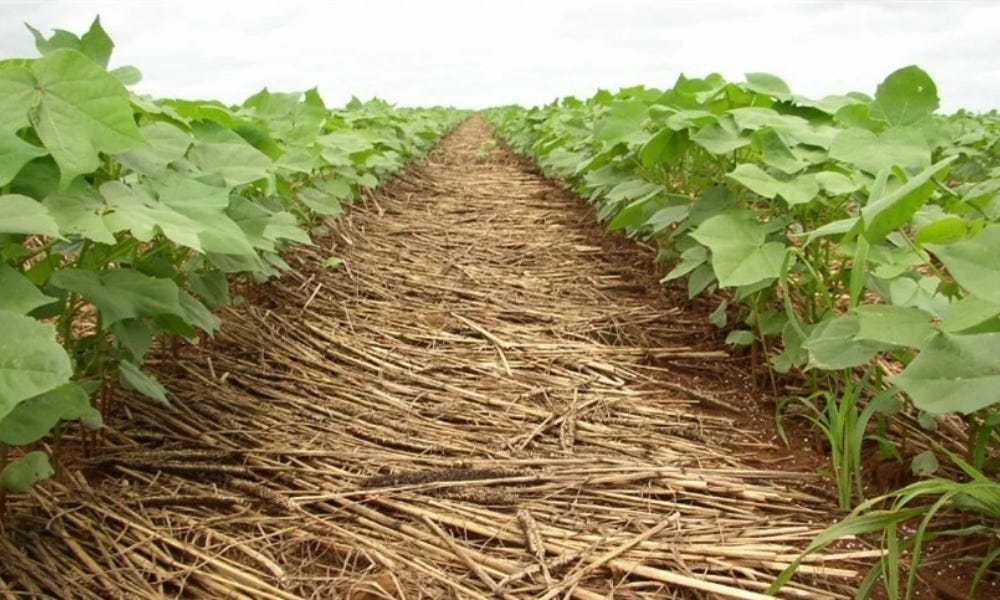
Brazil Links Soil Management to Crop-Insurance Subsidies — Brazil’s Zarc Níveis de Manejo pilot is differentiating crop-insurance subsidies according to the quality of a farm’s soil management. For the 2026/27 season, soybean farmers with the highest classification can receive a 40% premium subsidy, compared with 20% at the lowest level, creating a direct financial incentive for better soil cover, crop rotation and long-term resilience. Source: Embrapa
Corn-Ethanol Byproducts Accelerate Brazil’s Shift to Feedlot Cattle — Production of high-protein distillers grains from Brazil’s corn-ethanol plants has risen from 280,000 tonnes in 2017/18 to more than 4.8 million tonnes in 2025/26. The increasingly available feed is encouraging cattle producers to establish feedlots near ethanol plants, supporting more intensive beef production while improving the economics of the biorefineries themselves. Source: Reuters
Amazon States Push to Export Forest-Protection Credits — The nine states of Brazil’s Legal Amazon are pressing for jurisdictional REDD+ programs to access international carbon markets, with state governments coordinating credits generated by reductions in deforestation across entire territories. Federal officials have signalled support, but rules governing international transfers, ownership and the division of revenue still need to be resolved. Source: Semas Pará
Biodiesel Industry Argues B17 Could Displace 1.4bn Litres of Imported Diesel — Biodiesel producers are calling for Brazil’s mandatory blend to rise from 15% to 17%, arguing that each additional percentage point could replace approximately 700 million litres of imported diesel annually. B17 would also expand domestic soybean processing and create additional demand for alternative oilseeds, but adoption still depends on technical testing and a government decision. Source: Exame
Funding & M&A
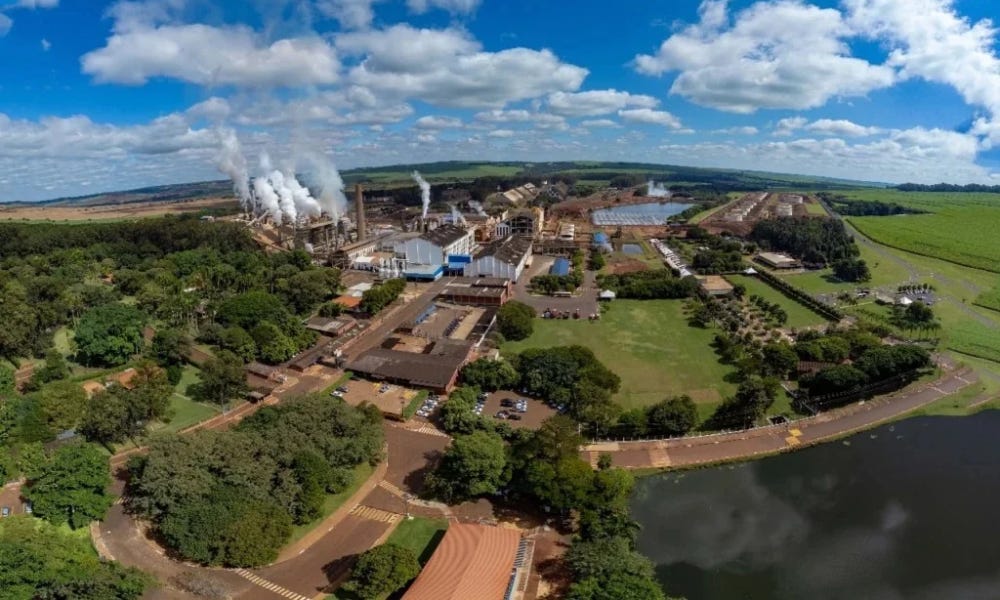
Bayer and Iwá Create CBIO-Backed Financing for Ethanol Mills — Bayer and asset manager Iwá are offering ethanol mills up to 360 days to purchase agricultural inputs using future Créditos de Descarbonização, or CBIOs, as collateral. The structure combines a financial CPR—a rural financing instrument backed by agricultural production—with an investment fund that sells the resulting CBIOs, turning future decarbonization revenue into working capital. Source: The AgriBiz
Fazendão Secures Protection to Restructure US$400m of Debt — A court granted Grupo Fazendão 30 days of protection from creditors as the Tocantins-based grain trader attempts to negotiate more than US$400 million of liabilities. The company attributes its difficulties partly to high capital costs and a mismatch between near-term debt maturities and the ramp-up of its recently built corn-ethanol plant; it must pursue a formal judicial restructuring if negotiations fail. Source: The AgriBiz
BagLog Opens US$300,000 Round for Rural Logistics Platform — Espírito Santo startup BagLog is raising approximately US$300,000 to expand its AI-assisted platform, which matches small farmers needing deliveries with vehicles already travelling along the same routes. The company reports 127 active business customers and plans to use the round to strengthen its Brazilian commercial operation and test the model in Italy. Source: Startups.com.br
UPL Asks Court to Remove Lavoro Management — UPL, which says it is owed approximately US$74 million, has asked a court to remove Lavoro’s administrators and appoint a judicial manager during the agricultural-input distributor’s restructuring. UPL alleges questionable related-party transactions, including a roughly US$44 million transfer to Delta Sementes shortly before the restructuring filing; Lavoro says the transactions were regular and appropriately supervised. Source: AgFeed
Macro & Markets
Senate Moves to Scrutinize Banco do Brasil’s Agricultural Credit Management — A Senate proposal would ask its transparency and oversight committee, supported by the federal audit court, to examine Banco do Brasil’s credit-risk management, provisioning and distribution of profits following its sharp third-quarter earnings decline. The proposal remains under consideration and does not constitute an audit finding; the bank says 90% of its agricultural clients are current, although that refers to customer numbers rather than the share of its loan portfolio. Source: Agronews
Provisioning Rules Make New Loans Uneconomic for Distressed Farmers — Brazil’s expected-loss accounting rules require banks to recognize substantially larger provisions as borrowers’ credit quality deteriorates, even before loans default. Bankers argue that extending new money to troubled producers can therefore cost more in capital and provisions than the loan generates, reinforcing the contraction in rural credit precisely when farms need refinancing. Source: The AgriBiz
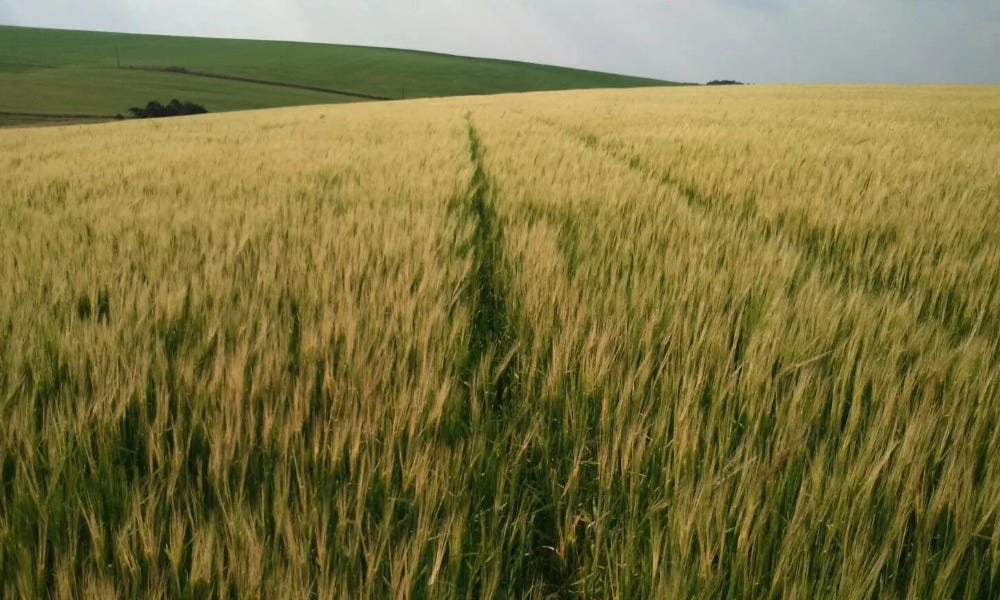
Ambev Targets Threefold Expansion of Its Southern Brazil Barley Program — Ambev plans to expand the area participating in its Rio Grande do Sul barley program from 15,000 hectares in 2026 to 50,000 hectares by 2030. The brewer must persuade more farmers to introduce a winter crop, but greater domestic barley production would improve land use between summer harvests and reduce the malt supply chain’s exposure to imports. Source: Exame
Thanks for reading,
KFG
Kieran Finbar Gartlan is an Irish native with over 30 years experience living and working in Brazil. He is Managing Partner at The Yield Lab Latam, a leading venture capital firm investing in Agrifood and Climate Tech startups across Latin America.