


Why Brazil’s connectivity gaps, tropical complexity, and trust pressures may be the triggers that unlock AI-led AgTech
False Start
The first wave of AgTech struggled because it was built around individual tools and solutions rather than how farming actually works. Farmers and founders couldn't see the forest from the trees. AgTech was too narrow, too agronomic, and too clunky, solving problems in isolation and generating siloed data that added effort instead of real value or transparency.
I’ve often described Brazil’s agriculture as a black box, but even that comparison is generous. At least a black box records everything that happens and can be examined later if needed. Brazilian agriculture, for the most part, has never been recorded in any consistent or visible way. Data exists, but it is fragmented, incomplete, and rarely connected across decisions, seasons, or systems.
Many of the limitations in Brazil are structural. Connectivity is weak. Farms are complex and non-standard. Decision-making is spread across people, tools, and moments in the season. While these constraints have traditionally been difficult to overcome, recent advances in AI now make it possible to tackle multiple challenges at once instead of addressing them individually.
AI doesn’t just add intelligence on top of farming. It can quietly remove friction from underneath it. In a country like Brazil, where connectivity gaps, biological complexity, and trust pressures are part of daily life, that shift may finally unlock the kind of AgTech adoption the sector, and VC investors, have been waiting for.
Clean Slate
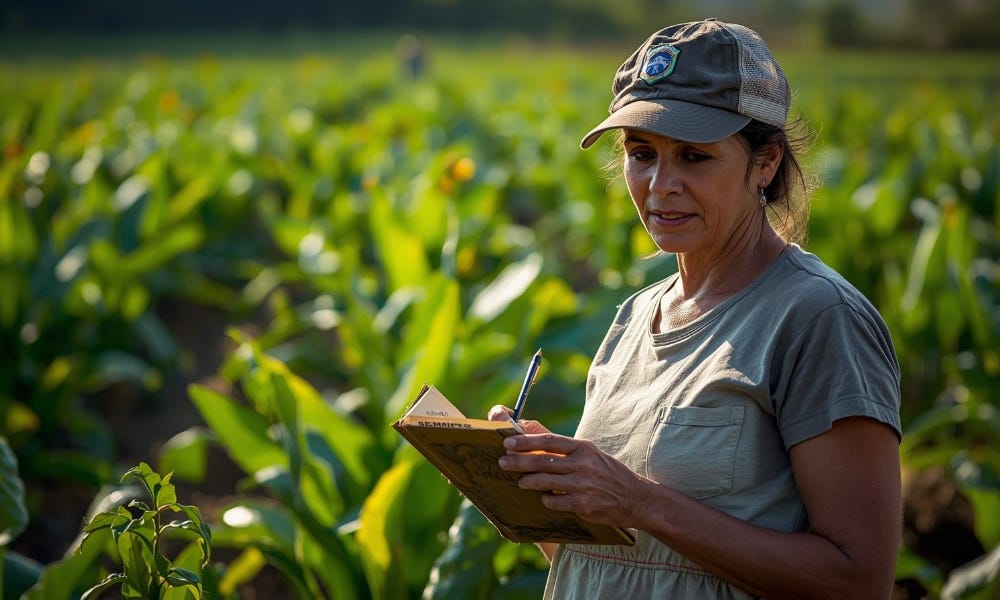
Brazil enters this next phase of AgTech with an unusual advantage. According to McKinsey, fewer than one in five Brazilian farmers use any form of digital farm management software, and usage tends to be fragmented and shallow rather than fully integrated. That gap is often described as a weakness, but it also means there are fewer legacy systems standing in the way of change.
Where these systems do exist, they are often treated as a chore rather than a tool. Data gets entered because someone else needs it, usually for certification or compliance, not because it helps farmers make better decisions. I recently spoke with a coffee farmer who had two people dedicated solely to feeding data into a homemade CRM. The system existed to satisfy certification audits, not to improve how the farm actually operated.
This matters more than it might seem. Legacy software creates switching costs, resistance, and long sales cycles. It also trains farmers to associate technology with extra work. In Brazil, that baggage is lighter. Many farms are effectively starting from zero, which creates an opening for AI-first tools that replace manual effort instead of adding another layer.
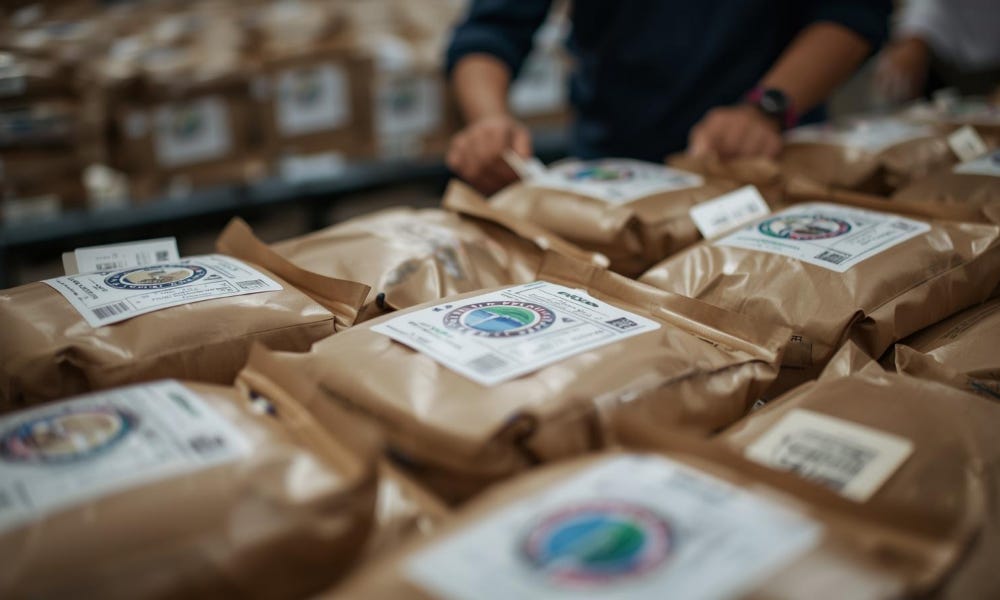
From a VC perspective, this speaks directly to the Why Now question. Market pressure around traceability, sustainability, and transparency has been building for years, but the ground truth was always hard to capture. AI-driven tools are now making daily work easier, with less training and fewer reasons to resist. When transparency becomes a byproduct of how the farm already runs, rather than an extra task, adoption starts to move much faster.
Broken Signals
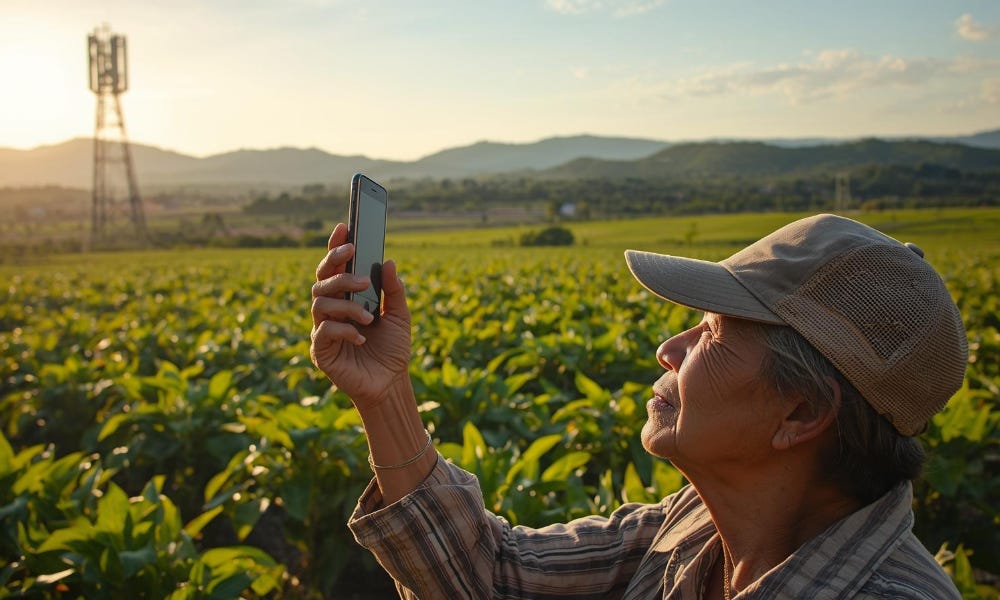
Connectivity remains one of the biggest mismatches between how AgTech is built and how farming actually works in Brazil. Large areas still have weak or unreliable signal, and even farms with decent coverage can lose it at the wrong moment. Yet most software assumes constant connectivity and a user sitting still in front of a screen.
That assumption breaks quickly in the field. Farmers make decisions while walking crops, driving machinery, or checking animals. They do not want to stop what they are doing to type notes or fill out forms. When a tool depends on signal, logins, or structured inputs at the wrong time, it creates friction and quickly falls out of use.
This is where AI starts to reduce friction in a very practical way. Farmers already send voice notes and photos every day, often through WhatsApp. There is nothing new to learn. With Voice AI tools, the difference is that these messages can be captured even without signal, stored, and processed later. Data collection happens close to the moment of observation, instead of being reconstructed from memory later on.
That shift matters more than it sounds. Information is more accurate because it is captured in context. Farmers spend less time reporting and more time farming. For AgTech companies, the data is cleaner and more consistent. And for investors, this points to adoption that scales because the technology fits existing habits rather than asking farmers to change how they work.
Fast Biology
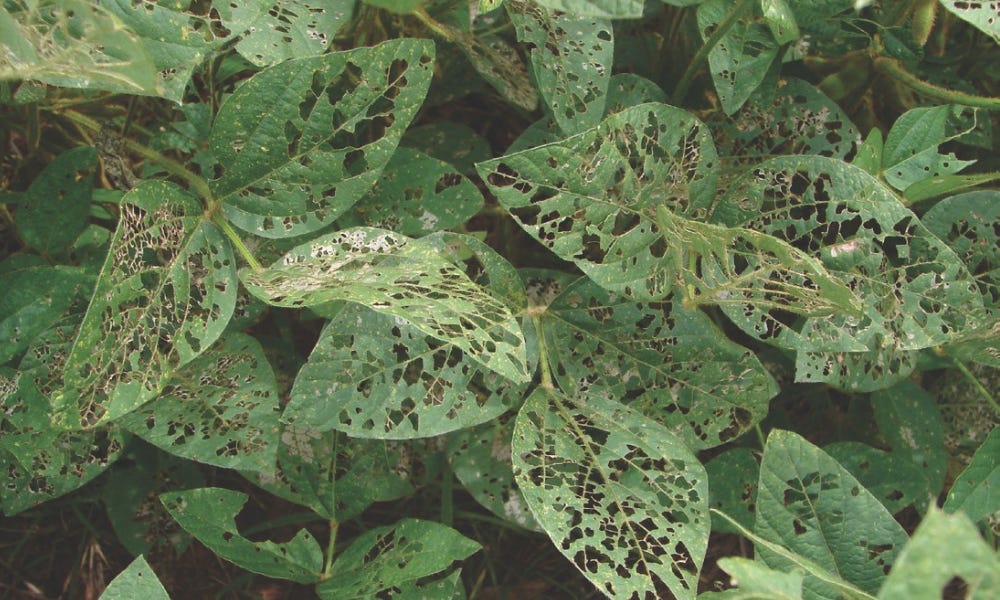
Farming in Brazil moves at a different pace. Crops grow quickly, pests and diseases never fully disappear, and there is no long off-season to pause and reset. Decisions made today can show consequences within days, sometimes hours. Waiting for perfect information is often not an option.
This is one reason traditional AgTech has struggled. Many tools were designed for slower systems, where problems unfold over weeks or months. Data is collected, uploaded, processed, and reviewed later, often too late to influence what actually happens in the field. By the time insights arrive, the window for action has already passed.
AI fits better in fast biological systems because it can work across many signals at once. Weather, crop stage, disease pressure, field history, and farmer observations can be considered together rather than split across separate tools. When photos and voice notes are captured as things happen, the system starts to reflect reality more closely.
Brazil’s year-round farming also creates constant feedback. Similar situations repeat across regions and seasons, giving AI more chances to learn and adjust. What looks complex on the surface is actually a rich environment for systems that improve through use. In this context, speed and variability stop being just challenges and start becoming an advantage.
Why Now
For a long time, AgTech struggled because adoption depended on persuasion. Farmers had to be convinced to change how they worked, learn new systems, and take on more reporting, often with unclear upside. Even when the technology made sense, the effort required to use it slowed adoption.
That balance is now shifting. AI-driven tools are lowering the cost, and ease, of usage. Voice, photos, and simple observations fit naturally into daily routines, which means less training, less resistance, and far less friction. Technology will no longer feel like a separate layer on top of farming. It will disappear into the background.
At the same time, pressure from markets and consumers is no longer abstract. Transparency, traceability, and sustainability are increasingly tied to access, pricing, credit, and insurance. For many farmers, providing proof is becoming part of staying competitive, not just meeting regulations.
This is a powerful combination that allows for change. Ease of use removes resistance, while market pressure removes choice. Together, they create the conditions for adoption to scale quickly rather than slowly. When doing nothing becomes harder than using the tool, behaviors change.
Thanks for reading.
KFG
Kieran Finbar Gartlan is an Irish native with over 30 years experience living and working in Brazil. He is Managing Partner at The Yield Lab Latam, a leading venture capital firm investing in Agrifood and Climate Tech startups in Latin America.