


Modern agriculture runs on magnets, batteries, and electronics. Brazil may be holding a critical component beneath its feet.
Below the Surface
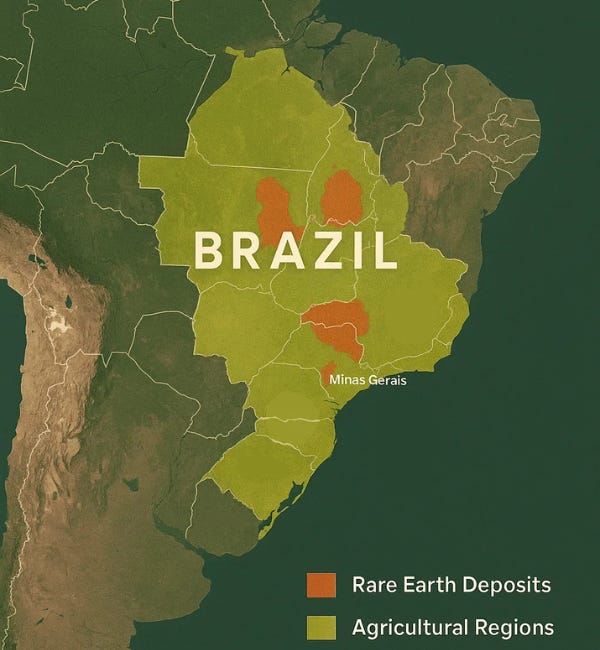
Brazil has long built global influence on what grows above ground. But some of its most strategic resources may be buried beneath it. Alongside its agricultural dominance, Brazil holds significant reserves of rare earth elements (REEs)—essential for electric vehicles, wind turbines, electronics, and precision farming equipment.
While China currently controls more than 85% of global REE processing, Brazil is one of the few countries with large reserves and early-stage production projects. CPRM, Brazil’s Geological Survey, estimates national reserves at 21 to 22 million tons of rare earth oxide equivalents, the third largest globally, behind China and Vietnam. These reserves are concentrated in the states of Minas Gerais, Goiás, Bahia, and São Paulo.
Despite this potential, Brazil’s output today is limited. According to recent industry reports, national production ranges between 80 and 2,000 tons per year—a fraction of the estimated 300,000-ton global market.
Demand and Delivery
The rare earth market is tightly linked to clean tech. Permanent magnets made from neodymium and praseodymium are critical for EV motors, wind turbines, and autonomous farm equipment. A single offshore wind turbine can require over 600 kg of REE-based magnets. An electric vehicle typically uses 1 kg of rare earth oxides in its drive train.
The International Energy Agency estimates that demand for rare earths in clean energy will triple by 2040 under a net-zero pathway. Meanwhile, global supply chains remain fragile, prompting the U.S., EU, Japan, and South Korea to seek alternatives to China. Brazil has been listed by the Minerals Security Partnership as a key country to develop new supply routes.
What makes Brazil’s REE potential especially strategic is its link to agriculture. Technologies like electric tractors, drones, and remote sensors depend on clean energy components. With AgTech adoption growing and farm machinery modernizing, rare earth access will increasingly shape who controls the next wave of productivity.
Structure and Strategy
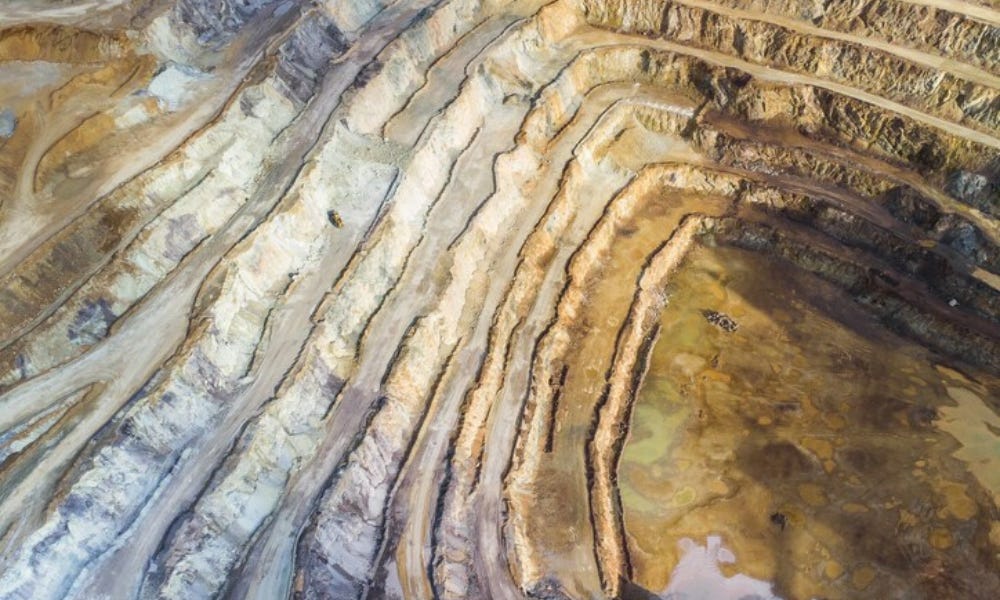
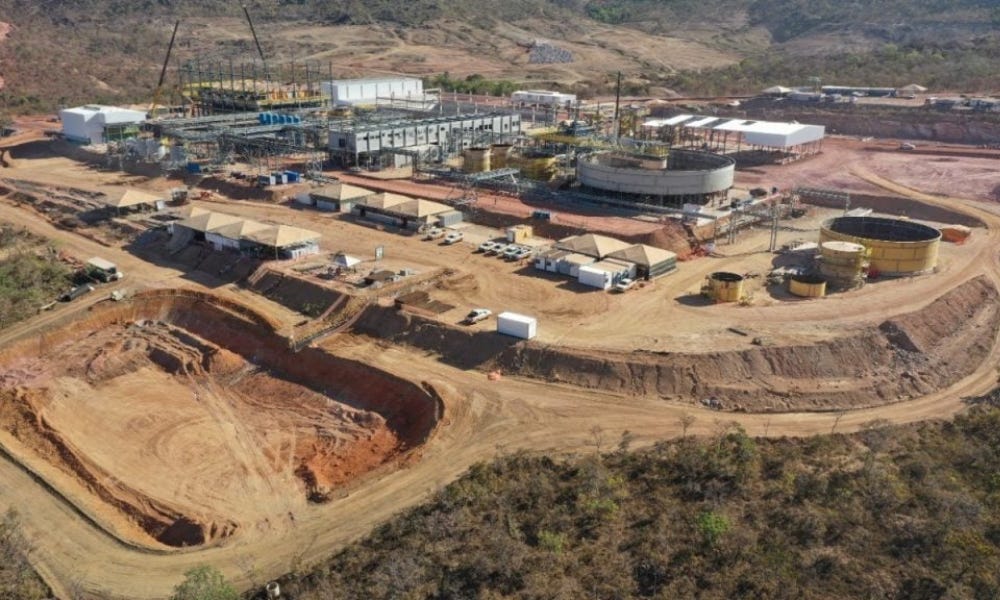
Brazil’s rare earth industry is still in its early stages. Only one project—Serra Verde in Goiás—has reached commercial production. After 15 years of development, the mine began operations in 2024, with a projected output of 5,000 tonnes per year. Serra Verde processes ionic clays, similar to deposits found in southern China, and focuses on elements like neodymium, praseodymium, dysprosium, and terbium.
The Carina Project, also in Goiás, is currently Brazil’s most heavily invested rare earth development. It is expected to begin production in 2028 and produce over 1,500 tonnes of REEs annually, including high-value dysprosium and neodymium. Meanwhile, Meteoric Resources’ Caldeira Project in Minas Gerais recently secured $250 million in backing from the U.S. Export-Import Bank.
Even with these advances, several constraints remain. Brazil lacks a domestic separation plant capable of refining individual rare earth oxides at commercial scale. Technical expertise in REE metallurgy is limited, and permitting processes are often slow and uncertain. Developers also face financial hurdles, with REE prices having dropped over 70% in the last two years, making it difficult to raise capital.
To scale this opportunity, Brazil will need clear tax incentives, fast-track licensing frameworks, and support for R&D. The government has launched a $194 million fund to finance early-stage projects, but broader alignment—between ministries, states, and the private sector—will be critical.
AgTech's Hidden Link
This story isn’t just about mining or geopolitics. Many of the tools being used to modernize agriculture—autonomous tractors, sensors, drones, electric sprayers—depend on rare earth magnets, batteries, and other critical inputs. As farming becomes more electrified and digitally connected, access to REEs becomes a supply chain issue for the entire AgTech and Climate Tech ecosystem.
Brazil, already a global agricultural leader, has an opportunity to integrate its strength in food production with emerging clean tech supply chains. That might mean building domestic components for ag equipment, or partnering with allies to process REEs locally and use them in machinery, energy storage, or even satellite imaging platforms for precision agriculture.
This connection between the soil and the subsoil—between ag and energy—could give Brazil new leverage in climate negotiations, trade agreements, and industrial strategy.
Developing a rare earth industry in Brazil will depend less on extraction and more on strategy and long-term planning. Brazil doesn’t need a new narrative. It needs a new strategy—and the discipline to deliver it.
Thanks for reading.
KFG
Kieran Finbar Gartlan is an Irish native with over 30 years experience living and working in Brazil. He is Managing Partner at The Yield Lab Latam, a leading venture capital firm investing in Agrifood and Climate Tech startups in Latin America.