


How biological technologies are moving into the core of agriculture, with Brazil emerging as a global test lab.
Living Code
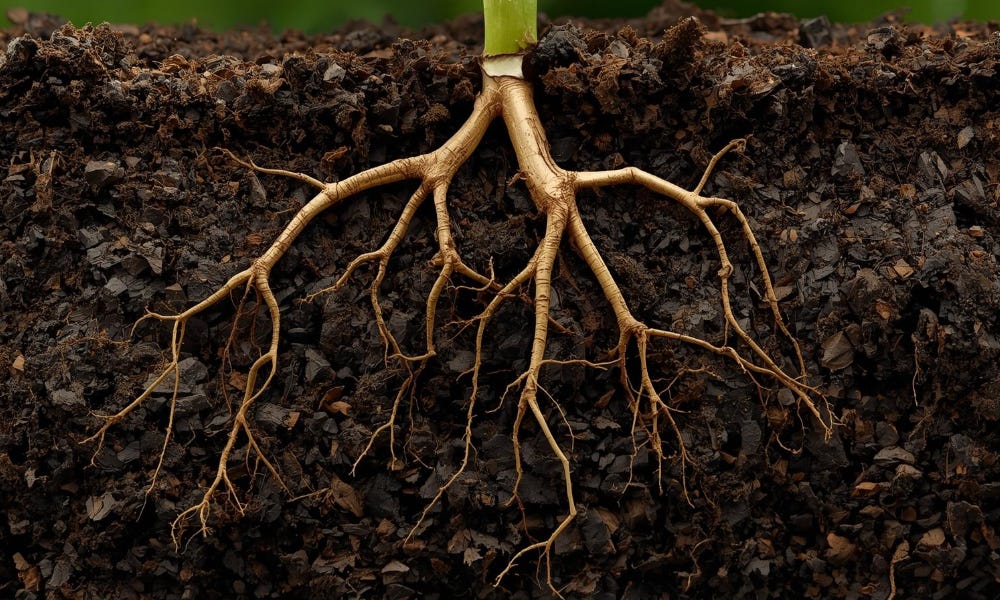
Agriculture has always depended on biology. Soil microbes cycle nutrients, insects pollinate crops and fermentation organisms transform plants into fuel, food and industrial products. For most of farming history these processes were simply part of the background conditions farmers learned to work with.
Technology has traditionally focused on improving how we observe those systems. Satellites monitor crop stress, sensors track machinery performance and artificial intelligence models help predict disease outbreaks or yield patterns. These tools generate better information, but they mostly sit outside the biological processes that actually drive productivity.
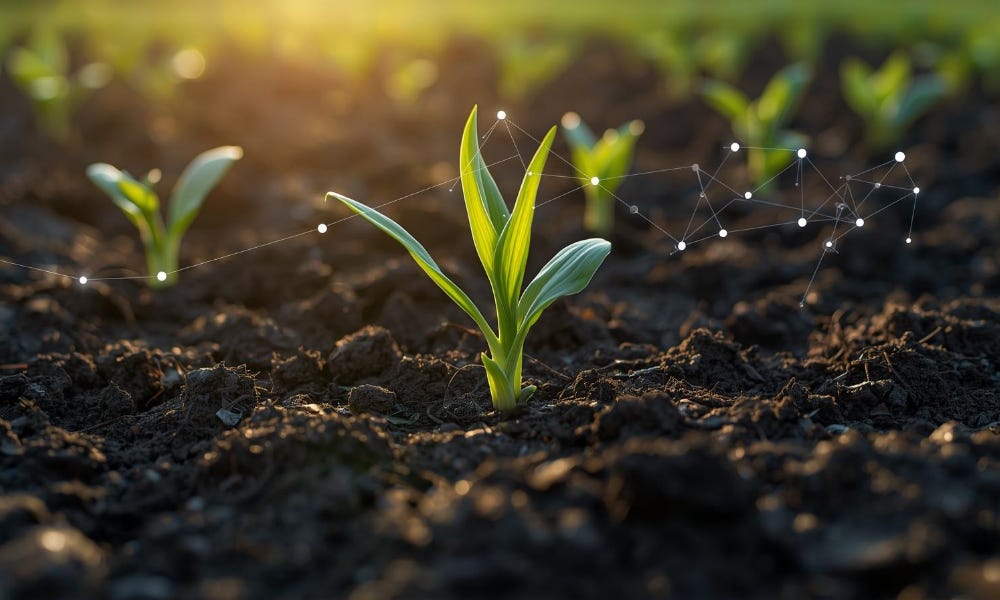
What is beginning to change is that technology is moving closer to those living systems themselves. Instead of simply measuring biology, new approaches are starting to influence how microbes behave, how fermentation organisms perform and even how insects interact with crops. In effect, parts of agriculture’s biological infrastructure are becoming easier to influence and manage.
Bee Business
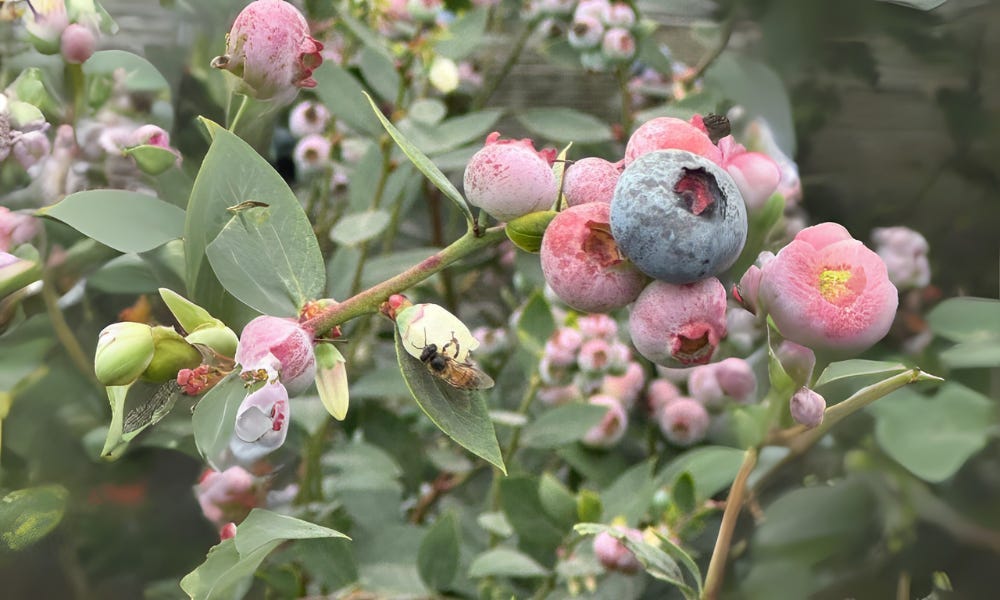
Pollination is one of the clearest examples of this shift. Many crops depend on insects to move pollen between flowers, yet farmers historically had little control over how efficiently that process occurred in the field. Beekeepers could place hives nearby, but directing pollination activity itself remained largely unpredictable.
Companies like Beeflow are beginning to change that dynamic. Using scent conditioning techniques, the company trains bees to prioritize specific crops during flowering periods, increasing the probability that pollinators concentrate on target plants instead of surrounding vegetation. The result can be higher pollination rates and improved yields in crops that rely heavily on insect activity.
The idea is simple, but it changes the level of control farmers have in the field. Pollination remains a natural process, yet technology is beginning to guide it in measurable ways. With tools like this, insects start to look less like passive ecosystem actors and more like biological tools that can improve agricultural productivity.
Microbe Mechanics
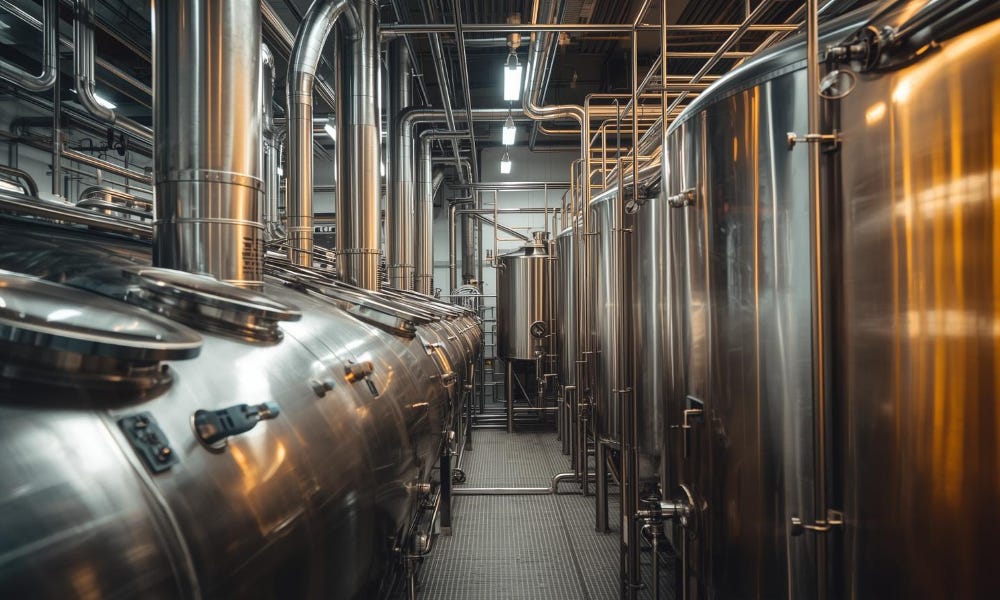
A similar transformation is happening at the microbial level. Brazilian biotech startup Bioinfood, for example, is developing yeast strains designed to improve ethanol production efficiency in sugarcane and corn processing plants. Small improvements in microbial performance can increase output and reduce losses without requiring major changes to industrial infrastructure.
Microorganisms are also becoming a core component of crop management. Biofertilizers, biopesticides and biostimulants use bacteria, fungi and plant-derived compounds to improve soil health, nutrient uptake and crop resilience. These products increasingly complement or replace synthetic fertilizers and pesticides that have dominated agriculture for decades.
Adoption is already significant in Brazil. More than half of Brazilian farmers use at least one biological input, and bioinputs are applied on roughly 26 percent of the country’s planted area, placing Brazil among the most advanced biological input markets in the world. In crops such as soybeans, inoculants are used across the vast majority of hectares, reflecting decades of research and farmer familiarity with microbial solutions.
Brazil Lab
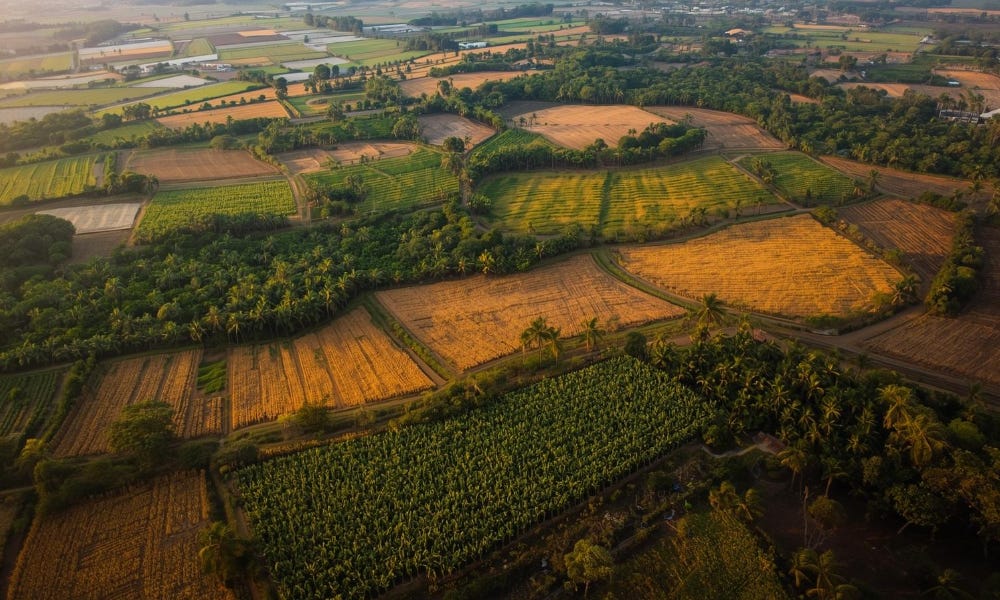
Brazil’s agricultural system makes it a natural environment to test these technologies at scale. The country combines vast crop production with extraordinary biodiversity and one of the world’s strongest agricultural research ecosystems, led by institutions such as Embrapa and major universities.
Tropical agriculture also creates the conditions where biological solutions are most relevant. Crops grow year round, pest and disease pressure is constant, and farmers operate across a wide range of climates, soils and production systems. That complexity forces technologies to perform under real-world conditions rather than controlled environments.
The economic opportunity is also expanding quickly. Bioinputs still represent only a small share of Brazil’s roughly US$19 billion agricultural input market, leaving substantial room for substitution as farmers look for more resilient production systems. If adoption continues to accelerate, the domestic bioinputs market alone could exceed US$8.5 billion by 2035.
Biological Stack
Agriculture has evolved through several major technological waves. Mechanization expanded scale. Chemical inputs dramatically increased productivity. Digital tools improved how farmers measure and manage increasingly complex operations.
Biological technologies are now joining that stack. Pollination systems that guide insects, microbial inputs that reshape soil ecosystems and fermentation organisms optimized for industrial production are all examples of tools working directly within living processes rather than simply monitoring them.
The idea that biology can behave like software is no longer purely theoretical. Researchers recently simulated an entire living cell on a computer, modeling genetic processes, metabolism and cell division across a complete life cycle. While that work sits at the frontier of computational biology, it signals how quickly our ability to understand and influence living systems is advancing.
Brazil may end up sitting at the center of this transition. With large-scale agriculture, strong research institutions and a rapidly expanding biological inputs sector, the country is becoming one of the most important environments in the world for testing how living systems can improve the productivity, resilience and sustainability of global food production.
Thanks for reading.
KFG
Kieran Finbar Gartlan is an Irish native with over 30 years experience living and working in Brazil. He is Managing Partner at The Yield Lab Latam, a leading venture capital firm investing in Agrifood and Climate Tech startups in Latin America.