


Welcome to the 100th edition of BAR Brief - a milestone for our weekly look at the forces shaping the future of Brazilian agriculture.
In Brazil AgTech news this week, FIT takes rapid nuclear magnetic resonance analysis to 26 countries, IdeeLab develops biological products for global input companies, China’s Muyuan seeks Brazilian partners for its smart pig-farming systems, and Cellva turns coffee and guaraná residues into higher-value ingredients.
In Climate Tech, Embrapa launches a programme to measure and certify the carbon footprint of Brazilian wheat, new carbon-credit export rules exclude forest-conservation projects, and drought accounts for 93% of the country’s climate-related losses, with almost none insured.
In Funding & M&A, Lar and its integrated producers plan an approximately US$170 million expansion of pig production in Paraná, the UN’s Green Climate Fund commits US$300 million to Brazilian transition funds, Everland assembles US$100 million for Indigenous carbon projects, and Petrobras takes full control of ethanol-logistics operator Logum.
And in Macro & Markets, Banco do Brasil cuts its rural-credit portfolio by R$18 billion as arrears surge, the Senate approves expanded debt refinancing for climate-affected farmers, and Adama’s factory closure exposes Brazil’s growing dependence on imported crop chemicals.
AgTech
Brazilian Startup Takes Rapid NMR Analysis to 26 Countries
IdeeLab Builds Biological Products for Global Input Companies
Chinese Pork Giant Seeks Brazilian Partners for Smart-Farm Technology
Cellva Turns Coffee and Guaraná Residues into New Ingredients
Climate Tech
Embrapa Launches Low-Carbon Wheat Certification Programme
Brazil’s Carbon-Credit Export Rules Exclude Forest Conservation
Drought Causes 93% of Brazil’s Climate Losses, with Almost None Insured
Funding & M&A
Lar Plans US$170 Million Expansion of Paraná Pig Production
UN Climate Fund Commits US$300 Million to Brazilian Transition Funds
Everland Assembles US$100 Million for Indigenous Carbon Projects
Petrobras Takes Full Control of Ethanol-Logistics Operator Logum
Macro & Markets
Banco do Brasil Cuts Rural Portfolio by R$18 Billion as Arrears Surge
Senate Approves Expanded Rural-Debt Refinancing
Adama Factory Closure Exposes Brazil’s Crop-Chemical Dilemma
AgTech
Brazilian Startup Takes Rapid NMR Analysis to 26 Countries — Fine Instrument Technology (FIT) has sold 180 low-field nuclear magnetic resonance systems, including 101 in Brazil and 79 overseas. Developed with Embrapa Instrumentação, the equipment measures characteristics such as oil, protein, moisture and acidity within seconds without destroying the sample. The platform could improve quality control, processing efficiency and commodity pricing across the agricultural value chain. Source: A Lavoura
IdeeLab Builds Biological Products for Global Input Companies — Piracicaba-based IdeeLab develops biological products for companies including Bayer, ICL and Syngenta, acting as an outsourced research and manufacturing platform. The startup has transferred more than 30 products and operates a Paraná facility that can scale from one million to six million litres annually. Its model shows how specialist startups can supply technology and infrastructure to incumbents without competing directly for their farm customers. Source: The Agribiz
Chinese Pork Giant Seeks Brazilian Partners for Smart-Farm Technology — Muyuan Foods, the world’s largest pork producer, is looking for local partners to introduce its smart equipment, biosecurity systems and production technology to Brazilian farms. The Chinese company produced approximately 78 million pigs in 2025 and has invested more than US$1.5 billion in biosecurity since the African swine fever crisis. Talks in Brazil remain preliminary, but the initiative could bring highly automated livestock systems into one of the world’s lowest-cost protein-producing markets. Source: AgFeed
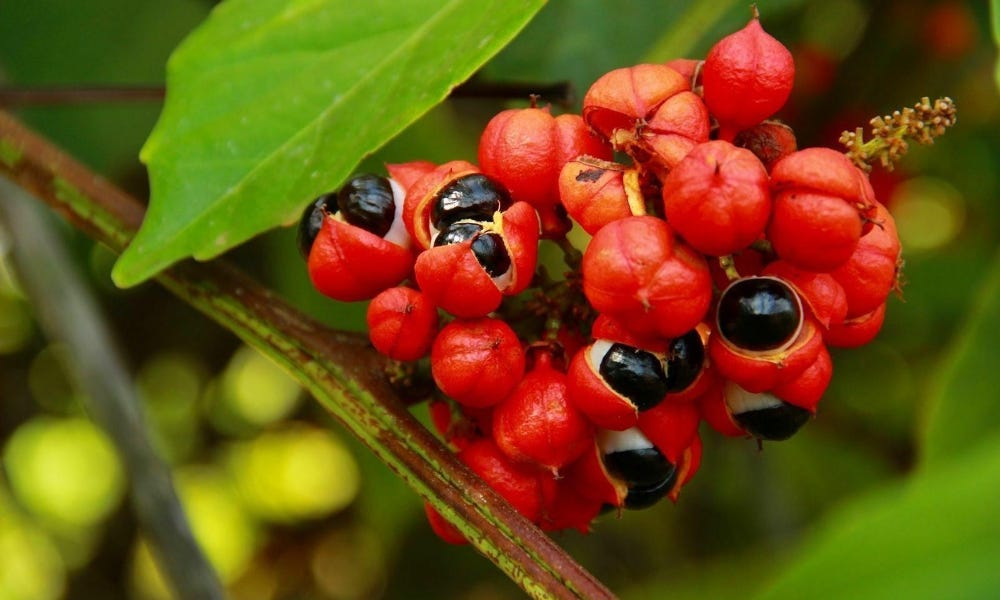
Cellva Turns Coffee and Guaraná Residues into New Ingredients — Cellva Ingredients has started initial sales from a new bioindustrial platform in Manaus that transforms agricultural byproducts into food ingredients. Its portfolio includes CoffeeCoa, made from coffee pulp and husks, and a concentrated guaraná extract containing 22% natural caffeine. The startup is trying to create higher-value markets for Brazilian biomass that would otherwise be underused or discarded. Source: Fundepar
Climate Tech
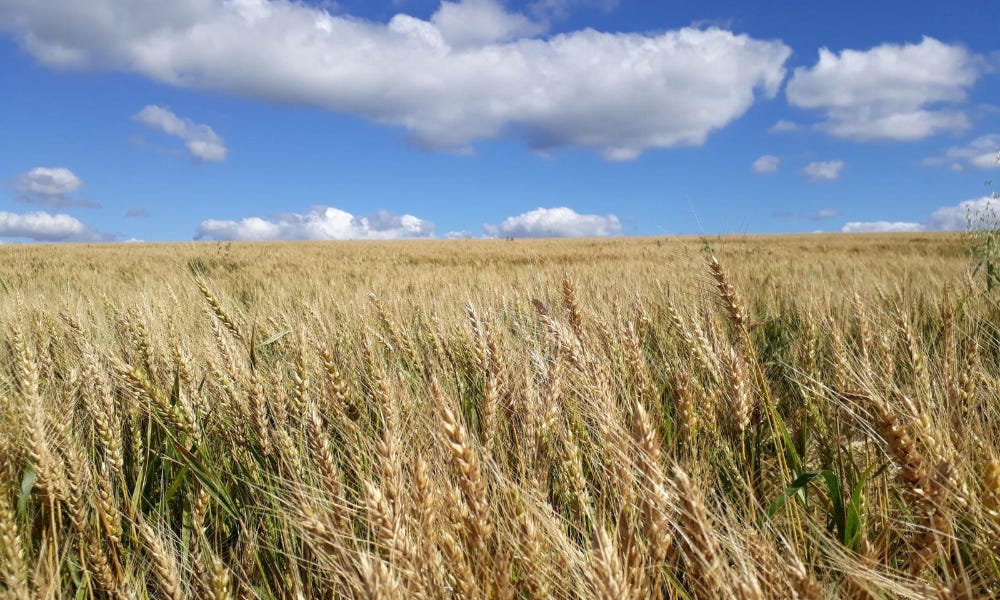
Embrapa Launches Low-Carbon Wheat Certification Programme — Embrapa’s new Trigo Baixo Carbono programme will measure greenhouse-gas emissions across Brazil’s wheat value chain and develop a certification protocol for tropical and subtropical production. Running through 2030, the research will cover emissions from farm inputs through industrial processing and identify opportunities for adaptation and mitigation. Credible carbon metrics could improve the competitiveness of Brazilian wheat across food, animal-feed and energy markets. Source: Embrapa
Brazil’s Carbon-Credit Export Rules Initially Exclude REDD+ Projects — Brazil will permit the international transfer of up to 150 million carbon credits through 2035, but the first phase excludes credits generated by avoiding deforestation. Carbonext estimates that broader eligibility could unlock an additional US$12 billion, although the figure is based on the company’s assumptions about available credits and future prices. The decision could limit the premium available to farmers who preserve native vegetation through REDD+ projects. Source: AgFeed
Drought Causes 93% of Brazil’s Climate Losses, with Almost None Insured — Climate-related losses in Brazil reached US$10 billion during the first half of 2026, exceeding the total recorded throughout 2025. Drought accounted for 93% of the damage, while only 0.4% was insured, according to research from CNseg and EY. The protection gap creates a substantial market for climate modelling, parametric insurance and new agricultural risk-financing products. Source: Capital Reset
Funding & M&A
Lar Plans US$170 Million Expansion of Paraná Pig Production — Lar Cooperativa and its integrated producers plan to invest approximately US$170 million in a major expansion of pig production around Laranjeiras do Sul. Two new units would house 31,600 breeding sows and produce more than 900,000 piglets annually, supported by 21 nursery sites and 300 finishing units operated by partner farmers. The project combines cooperative capital, producer investment and public support to expand one of Brazil’s most important animal-protein clusters. Source: AgFeed
UN Climate Fund Commits US$300 Million to Brazilian Transition Funds — The Green Climate Fund will invest US$250 million in a Brookfield vehicle and US$50 million in a fund managed by Flying Rivers, both selected through a BNDES process. BNDESPar will also invest alongside the vehicles, which together with a proposed Just Climate fund could mobilize US$2.5 billion in equity. The capital will target clean energy, industrial decarbonization and sustainable businesses, although individual investments have not yet been announced. Source: Capital Reset
Everland Assembles US$100 Million for Indigenous Carbon Projects — Everland is combining US$50 million in catalytic funding through its Halo mechanism with a US$50 million BNP Paribas outcome bond. The structure aims to move approximately 20 Indigenous-led Amazon conservation projects through the costly development stages required before they can issue commercial carbon credits. At least 70% of the credits would remain with participating communities, but the projects are still undergoing due diligence. Source: Capital Reset
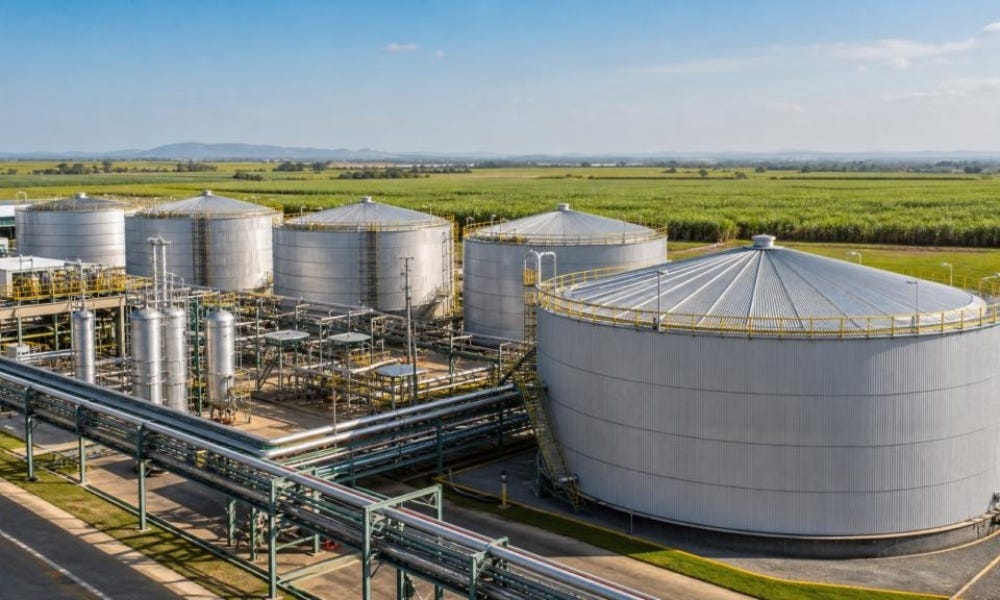
Petrobras Agrees to Take Full Control of Ethanol-Logistics Operator Logum — Petrobras will pay US$125 million for the remaining 70% of Logum, giving it complete ownership of the company’s ethanol pipeline and storage network. The acquisition provides a route back into ethanol through logistics as rapidly expanding corn production changes the geography of Brazil’s biofuel industry. The transaction remains subject to approval by competition authority Cade. Source: Exame
Macro & Markets
Banco do Brasil Cuts Rural Portfolio by US$5.5 Billion as Arrears Surge — Banco do Brasil reduced its agricultural loan portfolio by 4.3% during the third quarter, to US$80 billion. Newly delinquent agricultural operations rose from US$1.1 billion to US$3 billion, while the bank warned that additional provisions would be needed. A retreat by Brazil’s largest agricultural lender could mean smaller credit limits, tougher collateral requirements and higher financing costs across the sector. Source: AgFeed
Senate Approves Expanded Rural-Debt Refinancing — Brazil’s Senate has approved legislation allowing producers affected by extreme weather between 2019 and 2025 to refinance eligible rural loans and Cédulas de Produto Rural. CPRs are financing instruments backed by agricultural production. The programme offers annual interest rates of 5%–12%, two years of interest-only payments and up to eight additional years to repay principal, but still required presidential sanction at publication. Source: Senado Federal
Adama Factory Closure Exposes Brazil’s Crop-Chemical Dilemma — Adama will close its four-year-old active-ingredient plant in Taquari after investing approximately US$60 million, citing difficulties competing with imported products. The decision comes as domestic manufacturers seek tariffs of up to 35% on certain Chinese generics, while importers warn that protection would raise farmers’ costs without eliminating dependence on foreign chemicals. The dispute places industrial policy, input affordability and supply security on a collision course. Source: The Agribiz
Thanks for reading,
KFG
Kieran Finbar Gartlan is an Irish native with over 30 years experience living and working in Brazil. He is Managing Partner at The Yield Lab Latam, a leading venture capital firm investing in Agrifood and Climate Tech startups across Latin America.