


Inside the economic, psychological, and experiential forces that slow technology adoption on the farm.
Rural Reality
Many AgTech founders eventually hit the same wall. Their idea seems interesting, early pilots look promising, and investor decks indicate a huge market opportunity. Yet the commercial curve never takes off. Meetings drag on for months, pilots stretch over multiple seasons, and widespread adoption remains elusive.
Last week I wrote about how market timing determines the success of startups in general (Mind the Gap). This week, I want to go deeper into the specifics of agriculture, where timing is even more complex and stakes are much higher.
Farmers are not slow to adopt technology because they are risk averse. They take risks every day and are the original entrepreneurs. What slows them down is the system around them — weather, price volatility, labor shortages, and constant uncertainty. Every decision flows through these filters. Startups often arrive assuming technology will be judged on performance or innovation. In practice, it is judged on risk, familiarity, cash flow, and trust.
Three forces in particular shape how farmers decide what to adopt and when: the economics of uncertainty, the familiarity barrier, and the first-experience effect. Together they form the roots of resistance that most AgTech founders underestimate, and that ultimately determine whether a company grows or stalls.
Margin Math
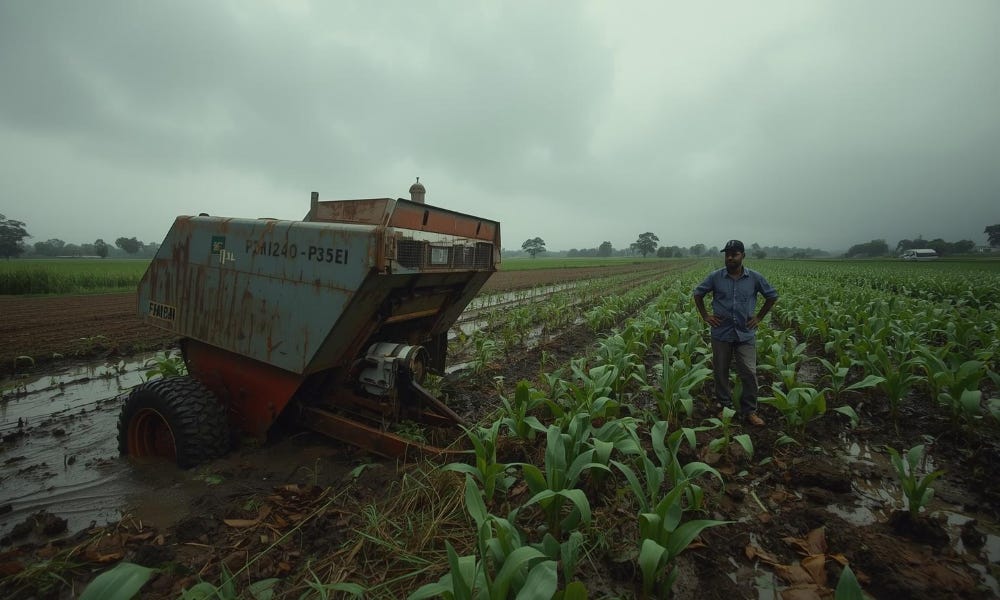
Farming is one of the few industries where a bad week of weather, a sudden pest surge, or a market drop can erase a year’s work. Most farmers operate on thin margins. Their budget resets every season, their revenue is volatile, and their cost structure is increasingly unpredictable. Under these conditions, every investment is filtered through one question: will this pay back in the current harvest season?
AgTech founders often assume their tools should be viewed as multi-year investments. Farmers rarely think this way. They make decisions through the lens of inputs: fertilizer, pesticides, seeds, fuel. These are annual choices. If a technology does not fit this seasonal logic, or if the payback stretches over several years, the adoption window narrows quickly. Even the most promising tool starts to feel like a luxury.
For farmers with predictable margins, such as irrigated fruit, high-value crops, or dairy under stable contracts, multi-year investments make sense. For the many who farm grains or livestock under tightening cycles, the math is unforgiving. If the numbers do not close this year, the decision is postponed. And once postponed, it may not come back for a long time.
This is not a question of ambition or conservatism. It is simply the financial reality of running a farm within a system defined by uncertainty. Startups that overlook this disconnect often end up with strong products but slow commercial traction because the economic environment shaping farmer decisions does not match the assumptions behind most venture-backed growth plans.

Familiarity Factor
Even when farmers can afford to adopt new tools, another barrier often slows the process: unfamiliarity. Most people evaluate new technology by comparing it to something they already know. Farmers follow the same logic. They want to understand who else is using it, what results were achieved, how it fits into a routine, and what happens when something goes wrong. Without that context, it is almost impossible to estimate the real return on investment.
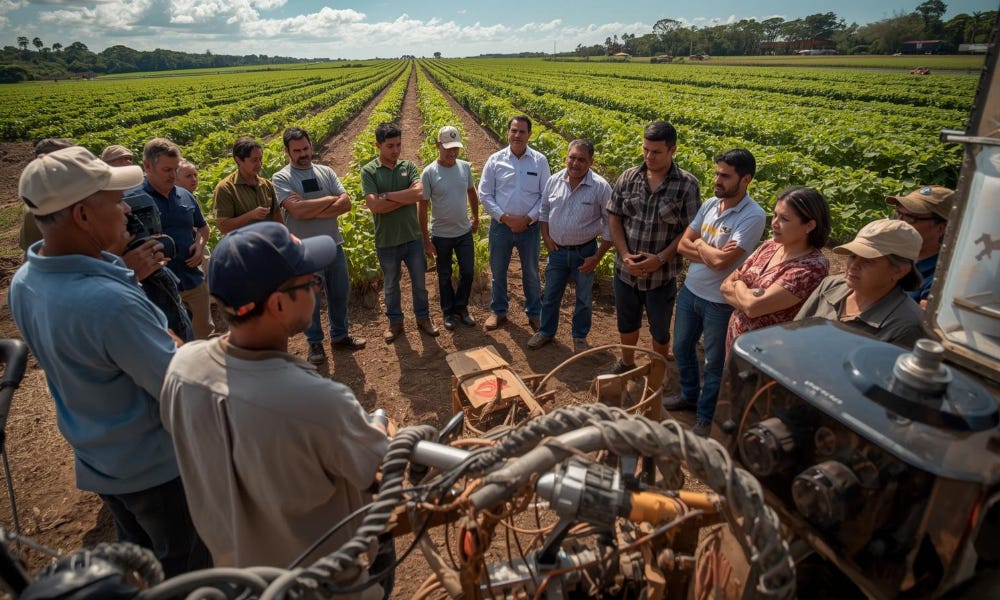
This is why AgTech adoption depends heavily on peer validation. A single reference farm carries more weight than a hundred slides. Farmers want to see a machine running under real conditions, not simulated trials or ideal scenarios. They want to talk to someone who has used the tool through a full season, faced setbacks, and knows whether support teams actually respond when issues appear.
Startups often underestimate how much effort it takes to create these reference points. Pilots move slowly because trust is earned across multiple seasons, not in a single demonstration. Agronomists must see performance hold up under different weather patterns. Co-ops want consistent data before recommending anything to their members. Each step in this chain takes time, and skipping any part of it usually backfires.
When familiarity is missing, even strong technology loses momentum. It does not move forward or backward. It simply stays on the edge of consideration because the farmer lacks the information needed to form a clear mental model of how it would work on their farm. Without that clarity, adoption rarely begins.
Starting Signal
If the economics of uncertainty and the familiarity barrier slow adoption, the first experience becomes the signal that shapes everything that follows. Farmers remember their early encounters with new tools. A poor installation, unreliable performance, or weak support quickly becomes a story retold at co-ops and family gatherings for years.
This pattern has roots in AgTech’s early years. Many tools reached the farm before they were ready for real conditions. Startups underestimated the complexity of day-to-day operations, stretched their support teams thin, and promised more than the product could consistently deliver. Solutions that looked impressive in demos struggled to perform in the dust, heat, and unpredictable rhythms of actual farm work.
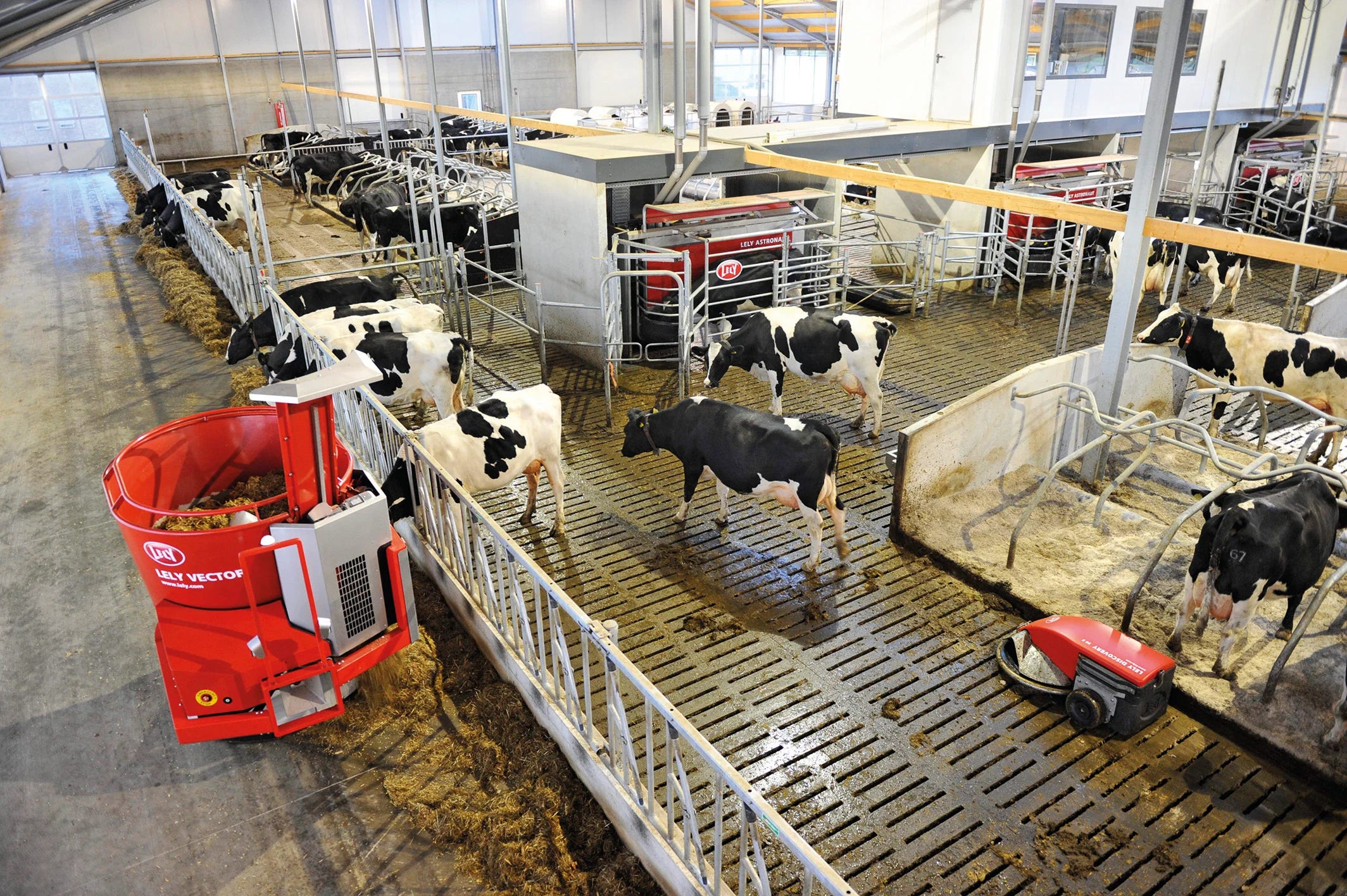
The reverse can also happen. My brother’s adoption of robotic milking is a good example. For a long time, the benefits were clear, but the concerns carried more weight. The system was expensive, and there were questions about how the cows would adapt. It took a new and very practical challenge, the question of succession, to move the decision forward. Once the system was installed, it worked better than expected. That first exposure changed his outlook entirely, and now he looks for ways to automate every part of the farm.
On most farms, adoption depends on a handful of defining moments rather than a steady transition. One successful pilot encourages further investment, while one bad experience can slow decisions for years. Startups that understand this dynamic focus their early deployments on farmers who enjoy testing and troubleshooting. These early adopters know that new tools may have rough edges and treat those moments as part of the process.
Final Footnotes
Slow technology adoption on the farm is not necessarily due to inertia or fear of change. It often reflects the realities of a system defined by uncertainty. Most farmers operate on thin margins, so every decision is filtered through the maths of survival. When a tool is unfamiliar, they lack the reference points needed to evaluate it properly. And first experiences carry outsized weight, shaping expectations for years.
Other frictions add to this. Even simple tools require new routines, training, and adjustments to existing workflows. Compatibility issues with legacy machinery and fragmented systems add another layer of caution. This is one reason why developing markets sometimes adopt technology faster. Without the weight of older infrastructure, they can leapfrog straight to newer solutions that are harder to introduce in more established systems.
For founders, these realities are not obstacles to dismiss. They define the environment in which AgTech must grow. Success depends on understanding the financial rhythms of the farm, sequencing early pilots carefully, and earning trust through consistent performance. The companies that scale will be those that build around the way farmers really work and make decisions. AgTech moves in seasons, not sprints, and the startups that embrace this pace give themselves the best chance to thrive.
Thanks for reading.
KFG
Kieran Finbar Gartlan is an Irish native with over 30 years experience living and working in Brazil. He is Managing Partner at The Yield Lab Latam, a leading venture capital firm investing in Agrifood and Climate Tech startups in Latin America.