


Hi, I’m Kieran Gartlan, Managing Partner at The Yield Lab Latam, ranked second in the world last year for AgTech investments. If you’re interested in learning more about Brazil’s AgTech opportunity, feel free to reach out.
In AgTech news this week, Herdian is using computer vision to prevent newborn piglet deaths, while Brazil’s biodefensives market has reached $1.1 billion. Embrapa has developed a method for predicting technology adoption, and AgRisk has spun out of Nagro to meet demand for agricultural credit intelligence.
Turning to Climate Tech, ZEG is testing whether carbon revenue can compete with soybean expansion in the Amazon. Cattle traceability is extending to indirect suppliers, a strong El Niño is reshaping agricultural risk, and ANAC is preparing detailed SAF compliance rules.
In Funding & M&A, JBS has offered $1.2 billion for the remaining shares in Pilgrim’s Pride, while Agroterenas has secured $32 million to convert degraded pasture into sugarcane without clearing new land.
Across Macro & Markets, Brazil has opened its first large-scale sorghum trade route to China, while Chinese crop-input producer Fuhua is expanding its presence in the country. Argentine corn is challenging Brazilian exports, and seven cooperatives have begun operating a major soybean-processing plant.
AgTech
Herdian Uses AI to Prevent Piglet Deaths
Biodefensives Market Reaches $1.1 Billion
Embrapa Develops Technology-Adoption Method
AgRisk Spins Out of Nagro
Climate Tech
Carbon Project Competes with Soy Expansion
Amazon Cattle Traceability Expands to Indirect Suppliers
Strong El Niño Reprices Agricultural Risk
ANAC Prepares SAF Compliance Rules
Funding & M&A
JBS Offers $1.2 Billion for Remaining Pilgrim’s Pride Stake
Agroterenas Raises $32 Million for Pasture Conversion
Macro & Markets
Brazil Opens Sorghum Trade Route to China
Fuhua Expands in Brazil’s Crop-Input Market
Argentine Corn Challenges Brazilian Exports
Cooperatives Begin Operating Soybean Crusher
AgTech
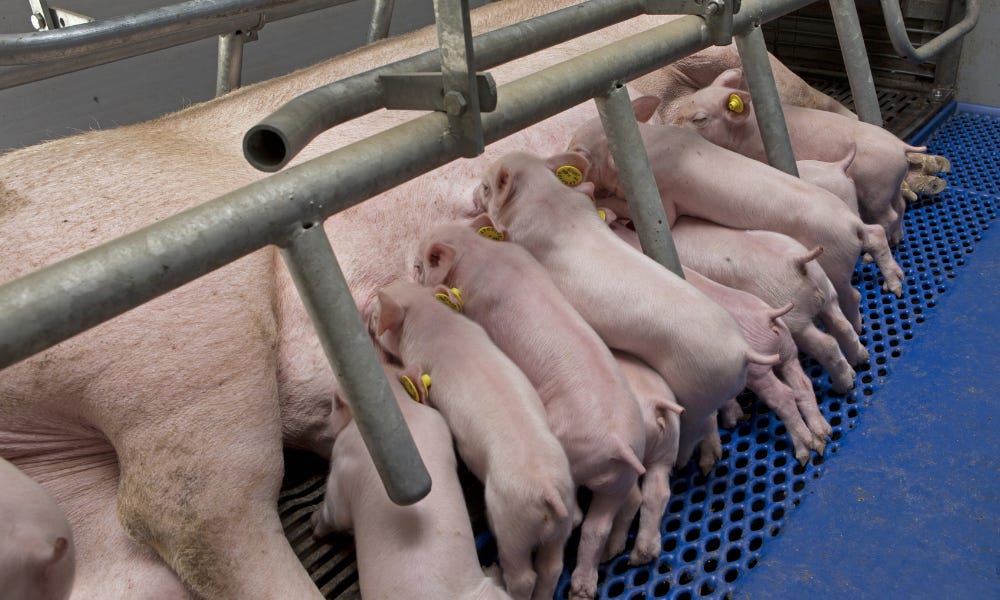
Herdian Uses AI to Prevent Piglet Deaths – Herdian has developed a computer-vision system that monitors farrowing pens and alerts farm staff when newborn piglets are at risk of being crushed by the sow. The Brazilian startup says its technology can reduce mortality while providing producers with data on births, animal behavior and operational performance. The system addresses a costly livestock-management problem using existing camera infrastructure rather than wearable devices. Source: Globo Rural
Biodefensives Market Reaches $1.1 Billion – Brazil’s biodefensives market generated approximately $1.1 billion in the 2025/26 season, as the area treated with biological products increased by 35%. Adoption is expanding beyond soybeans into crops including sugarcane, corn, cotton and coffee, reflecting stronger demand for pest-management tools that can complement chemical inputs. The growth reinforces Brazil’s position as one of the world’s most dynamic markets for agricultural biologicals. Source: AgFeed
Embrapa Develops Technology-Adoption Method – Embrapa and Unicamp researchers have developed a methodology for assessing whether digital agricultural technologies are likely to succeed in specific farming environments. The model examines infrastructure, farm characteristics, users’ capabilities, economics and environmental conditions before a technology is deployed. It could help developers and investors identify adoption barriers earlier, reducing the risk of building products that perform technically but fail to gain traction with farmers. Source: Embrapa
AgRisk Spins Out of Nagro – Brazilian AgFintech, Nagro, has separated its agricultural credit-risk technology into an independent B2B company called AgRisk. Its AgFlow platform has assessed approximately $2 billion in credit this year and serves 1,600 clients, combining financial analysis, collateral monitoring and farm data. The spinout reflects growing demand for specialist risk intelligence as rural credit becomes tighter, while AgRisk is also evaluating the creation of a Fiagro to provide additional funding through its platform. Source: AgFeed
Climate Tech
Carbon Project Competes with Soy Expansion – ZEG has structured a 40-year carbon project protecting almost 6,000 hectares in Roraima that could legally be cleared for soybean production. The landowner will receive 60% of the project’s revenue, although estimated carbon returns remain around 20% below the potential income from soybeans. The project provides a real-world test of whether higher-integrity carbon credits can make standing forest financially competitive with agricultural expansion. Source: Bloomberg Línea
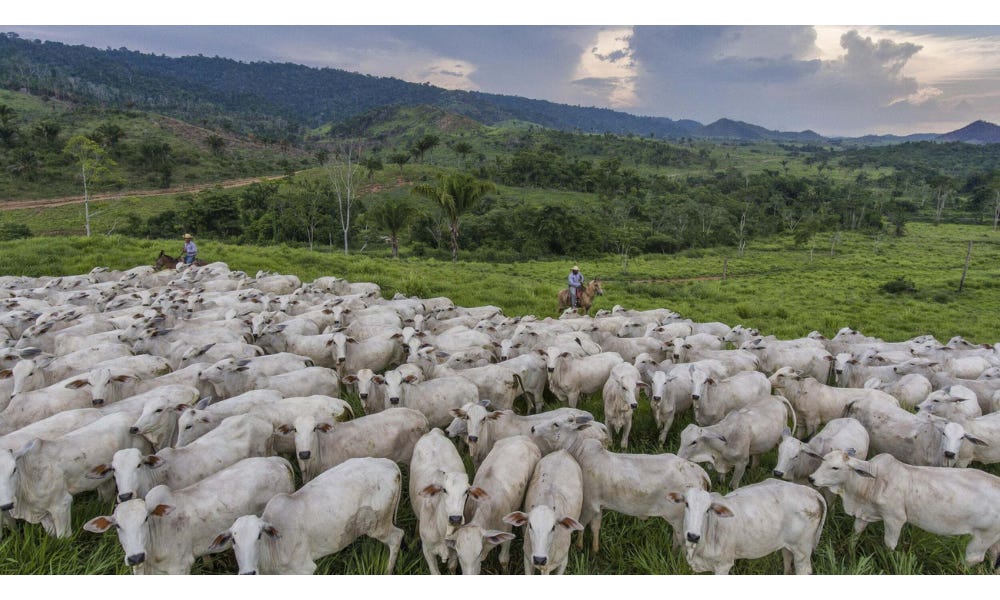
Amazon Cattle Traceability Expands to Indirect Suppliers – From 2027, meatpackers operating in Brazil’s Amazon will begin monitoring cattle acquired through indirect suppliers under agreements with the Federal Public Prosecutor’s Office. The change aims to address a major gap in livestock traceability, as animals can move between multiple farms before reaching a slaughterhouse. Bringing breeding and intermediary properties into the system could improve visibility over deforestation risks across the cattle supply chain. Source: Globo Rural
Strong El Niño Reprices Agricultural Risk – Agricultural markets are beginning to incorporate the growing probability of an exceptionally strong El Niño, with Brazilian coffee, wheat and soybean production facing different combinations of excessive rainfall, heat and drought. The elevated risk makes climate forecasting, insurance and farm-level adaptation increasingly important ahead of the next crop cycle, particularly as extreme conditions could affect production across several important agricultural regions simultaneously. Source: InfoMoney
ANAC Prepares SAF Compliance Rules – Brazil’s civil aviation regulator plans to open a 30-day public consultation in September on detailed rules for the country’s sustainable aviation fuel mandate. The proposal will cover emissions accounting, verification and penalties, with final regulations expected in October before the mandate begins in 2027. The framework will influence demand for agricultural feedstocks and certification systems, while providing greater clarity for investment in Brazilian SAF production. Source: Capital Reset
Funding & M&A
JBS Offers $1.2 Billion for Remaining Pilgrim’s Pride Stake – JBS has proposed acquiring the shares it does not already own in US poultry producer Pilgrim’s Pride through an all-stock transaction. The offer would exchange 2.086 JBS shares for each outstanding Pilgrim’s Pride share, giving the proposal an estimated value of $1.2 billion. Full ownership would simplify JBS’s international structure and allow Pilgrim’s Pride to delist from Nasdaq, although the non-binding offer still requires approval from independent directors and minority shareholders. Source: Bloomberg Línea
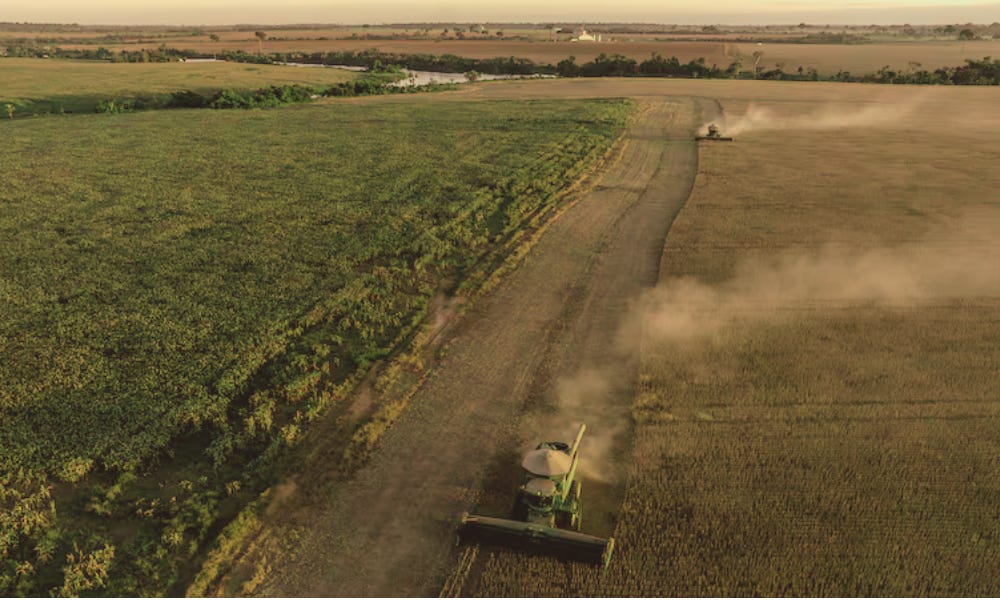
Agroterenas Raises $32 Million for Pasture Conversion – Agroterenas has raised $32 million through agribusiness receivables certificates to convert degraded pasture into sugarcane fields without clearing native vegetation. The financing will support the company’s expansion in Mato Grosso do Sul, where it plans to increase production while improving land productivity. The transaction illustrates how capital-market instruments can fund agricultural growth through the recovery of previously cleared land rather than further expansion into natural ecosystems. Source: CNN Brasil
Macro & Markets
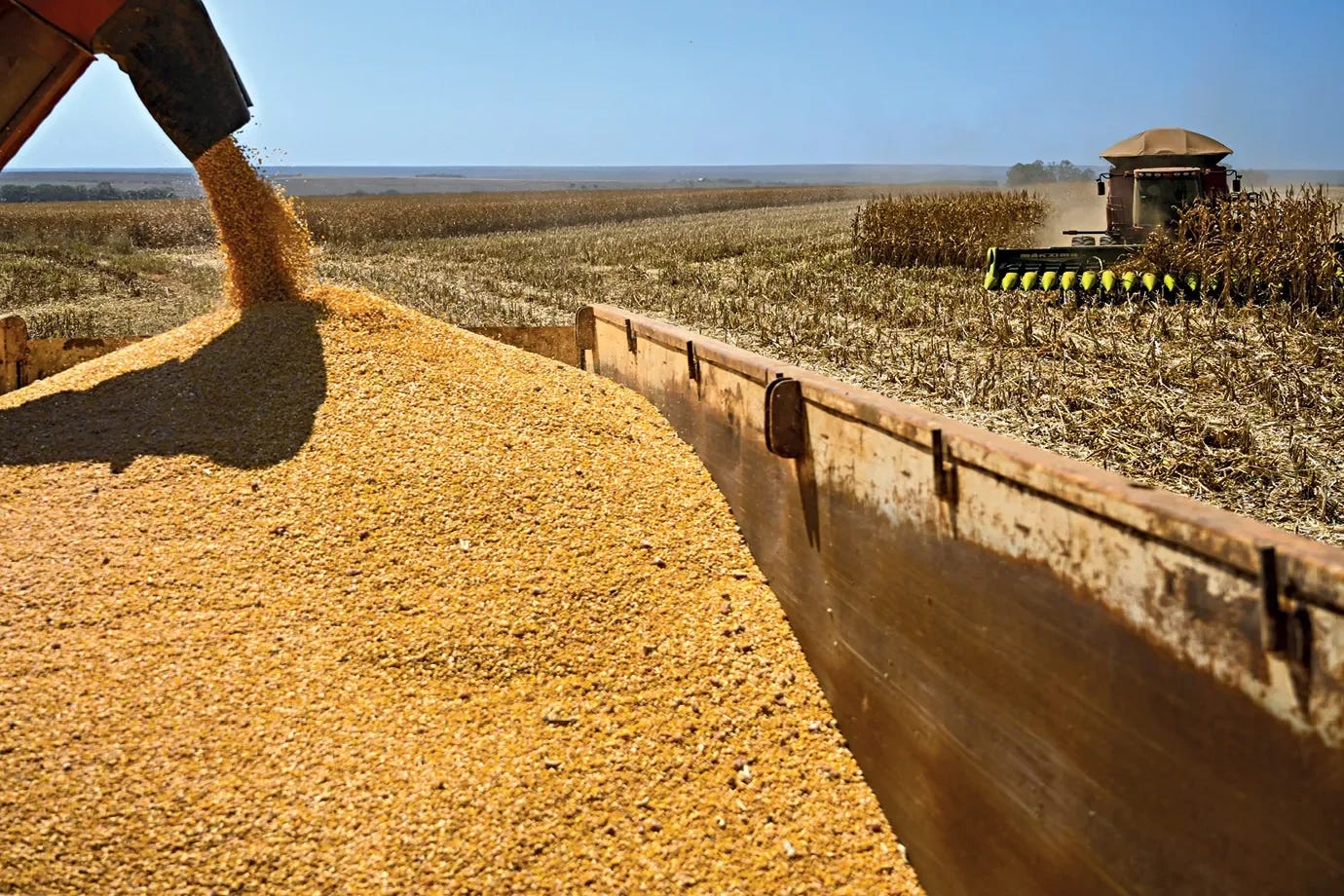
Brazil Opens Sorghum Trade Route to China – COFCO has dispatched approximately 69,000 tonnes of Brazilian sorghum from Santos to Guangzhou, marking the country’s first large-scale shipment to China following an earlier container-based trial. Commercial access to the world’s largest sorghum importer creates a new export outlet for Brazilian farmers and could strengthen the crop’s role as a lower-risk second-season alternative to corn. Source: COFCO
Fuhua Expands in Brazil’s Crop-Input Market – Chinese crop-input producer Fuhua is expanding its Brazilian presence as it seeks greater recognition among farmers and a larger share of the market. The company is investing in local distribution, regulatory registrations and closer relationships with agricultural retailers. Its strategy reflects a broader shift by Chinese companies from supplying ingredients behind the scenes to establishing their own brands and competing directly for value within Brazil’s agricultural-input market. Source: AgFeed
Argentine Corn Challenges Brazilian Exports – Argentina could export 45 million tonnes of corn and overtake Brazil, intensifying competition as Brazilian shipments to Iran—its largest market in 2025—fell 43% between January and July. Brazil needs to export approximately 40 million tonnes to balance domestic supply, meaning weaker overseas demand could pressure producer margins despite growing consumption from the country’s corn-ethanol industry. Source: Exame
Cooperatives Begin Operating Soybean Crusher – Seven Paraná cooperatives have begun operating a soybean-processing plant acquired from Louis Dreyfus Company in Ponta Grossa. The facility can crush 3,400 tonnes per day and will produce soybean meal, oil and biodiesel feedstock. The jointly owned operation expands farmers’ participation in downstream processing, allowing the cooperatives to capture more value from their soybean production while strengthening their position in animal feed, biofuels and export markets. Source: CNN Brasil
That’s all for this week, thanks for reading,
KFG
Kieran Finbar Gartlan is an Irish native with over 30 years of experience living and working in Brazil. He is Managing Partner at The Yield Lab Latam, a leading venture capital firm investing in Agrifood and Climate Tech startups across Latin America.